Keeping Your Van Cool: Air Conditioning Options
Summer in a campervan can be genuinely unpleasant. A metal box in direct sunlight heats up fast — interior temperatures of 40-50°C are common on a 25°C UK summer day. The question is whether 12V air conditioning is a practical solution.
The Short Answer
12V air conditioning exists and it does work, but the cooling power is limited and the power consumption is significant. A 12V AC unit can reduce the interior temperature by 5-10°C on a hot day, but it cannot compete with a proper mains-powered split system. More importantly, running it off-grid requires a substantial battery bank and either shore power or a generator.
Types of 12V Air Conditioning
Portable 12V units (£50-200) — Small units that sit on a surface and vent through a window or roof vent. They draw 3-8A (36-96W) and produce a noticeable cooling effect in a small van. They work best in vans with good insulation and when the outside temperature is not extreme.
Pros: Cheap, no installation required, portable.
Cons: Limited cooling power, noisy, need window access for the vent hose, condensation to manage.
Roof-mounted units (£500-1,500) — Proper RV air conditioners designed to fit through a roof vent opening (typically 14" × 14"). They are the standard in US RVs and are becoming more common in UK campervans. Brands like Dometic, Truma, and Webasto make them.
Pros: Proper cooling (can drop temp by 10-15°C), integrated installation, not in your living space.
Cons: Expensive, heavy (30-50kg on your roof), requires a reinforced roof, very high power draw.
Split systems (£800-2,000) — An outdoor condenser unit mounted under the van and an indoor air handler. The most effective cooling but also the most complex installation. Requires gas charging by an air conditioning engineer.
Pros: Best cooling performance, quiet indoors, looks neat.
Cons: Expensive, complex installation, the under-van condenser is vulnerable to road debris and corosion.
Power Consumption
This is the limiting factor. A roof-mounted AC unit draws 50-80A at 12V (600-960W) when the compressor is running. Running it for 4 hours uses 200-320Ah — more than most leisure battery banks can provide. Even the smaller portable units draw 3-8A continuously (not cycling like a fridge compressor).
To run any form of air conditioning off-grid, you need:
- 300Ah+ lithium battery bank
- 600W+ solar (in full sun — rare in the UK)
- Or a generator / EHU hook-up
Alternatives That Use Less Power
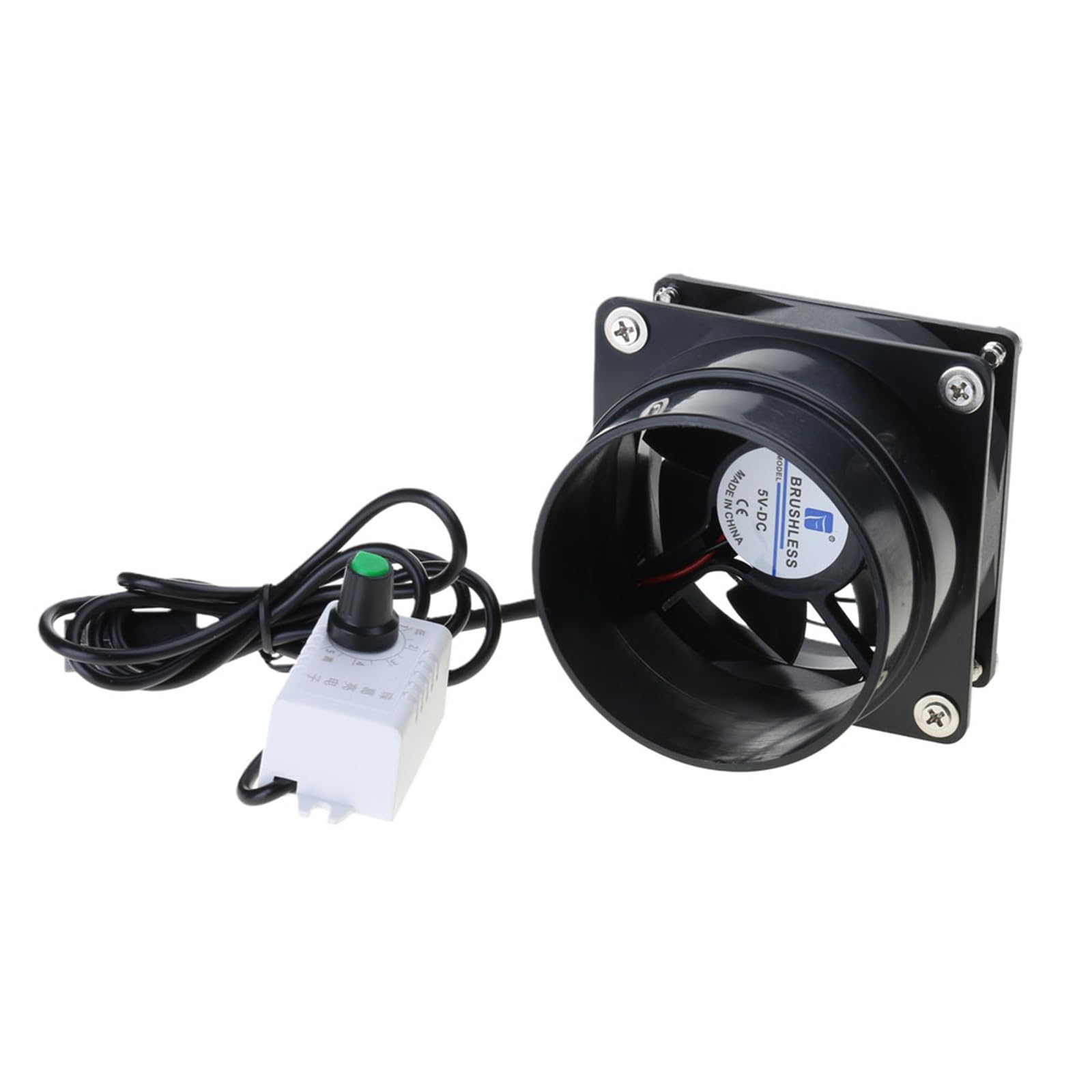
12V fan — A Maxxfan or similar roof fan draws 0.5-3A and moves air through the van. On a warm evening, a fan pulling cool air in from the shaded side can reduce the interior temperature significantly. This is the most practical cooling solution for most UK van lifers.
Shade — Park in the shade. This sounds obvious but makes a huge difference. A van in direct sun can be 10-15°C hotter inside than a van under a tree or next to a building. Use reflective windscreen covers (Reflectix or similar) on all windows.
Thermal curtains — Insulated curtains on all windows keep heat out during the day and keep warmth in at night. They make a noticeable difference.
Ventilation — Open roof vents and side windows on opposite sides of the van to create cross-flow ventilation. In still air, a battery-powered fan helps.
Night air — Open everything at night to let the cool air in. In the UK, night temperatures usually drop to 12-18°C even in summer, which is enough to cool the van down for the next day.
Verdict
For most UK van lifers, air conditioning is not worth the power consumption. The UK has relatively few days where cooling is genuinely needed, and the electricity required is better spent on the fridge, charging devices, and heating in winter. A good roof fan and smart parking (shade + cross-ventilation) will keep you comfortable on all but the hottest days.
If you absolutely need air conditioning (medical reasons, a dog that stays in the van, or you travel to southern Europe), a roof-mounted unit powered by EHU or a generator is the realistic option. Running a split system from batteries is technically possible but requires a very large electrical setup.