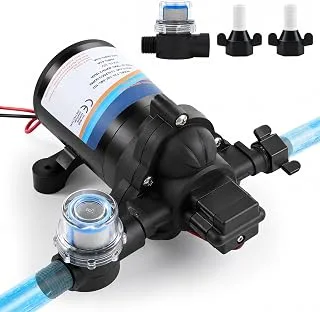
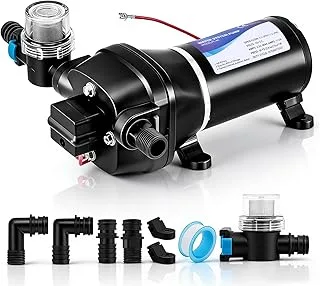
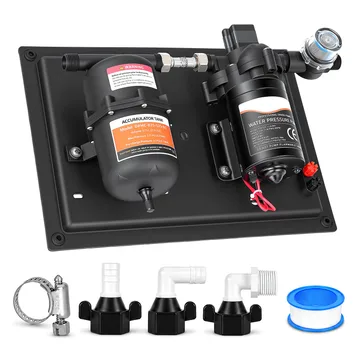
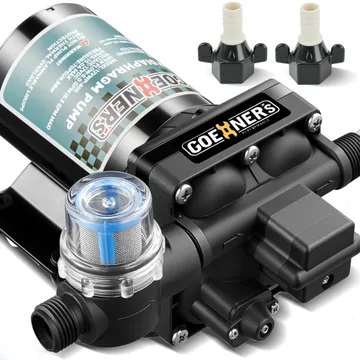
An accumulator tank (also called a pressure vessel or expansion tank) sits between your water pump and your taps. It stores water under pressure and releases it when you open a tap, reducing pump cycling.
Why You Need One
Without an accumulator: every time you open a tap, the pump switches on immediately. Every time you close it, the pump switches off. The pump cycles on and off hundreds of times per day. With an accumulator: the pump fills the accumulator tank, then switches off. When you open a tap, pressure from the accumulator pushes water out. The pump only switches on when the accumulator pressure drops below a threshold.
Benefits
- Pump runs less = longer pump life (pumps fail from cycling, not running)
- Smooth water flow (no pulsing from the pump)
- Quiet operation (pump runs less frequently)
- Water available for 5-10 seconds even if pump fails
Installation
- Install the accumulator after the pump, before the first tap
- Use a T-piece to connect the accumulator to the cold water line
- Pre-charge the accumulator to 1-2 PSI below the pump's cut-in pressure (typically 20-25 PSI)
- Secure the accumulator to the van floor (it can vibrate)
Products
| Product | Capacity | Price |
|---|---|---|
| Whale Aquasmart | 0.5L | £25 |
| Shurflo Accumulator | 0.5L | £20 |
| Jabsco Accumulator | 0.3L | £15 |
| DIY: 1L plastic bottle + Schrader valve | 1L | £5 |
Conclusion
An accumulator tank costs £15-25 and takes 10 minutes to install. It dramatically improves water flow and extends pump life. Install one.