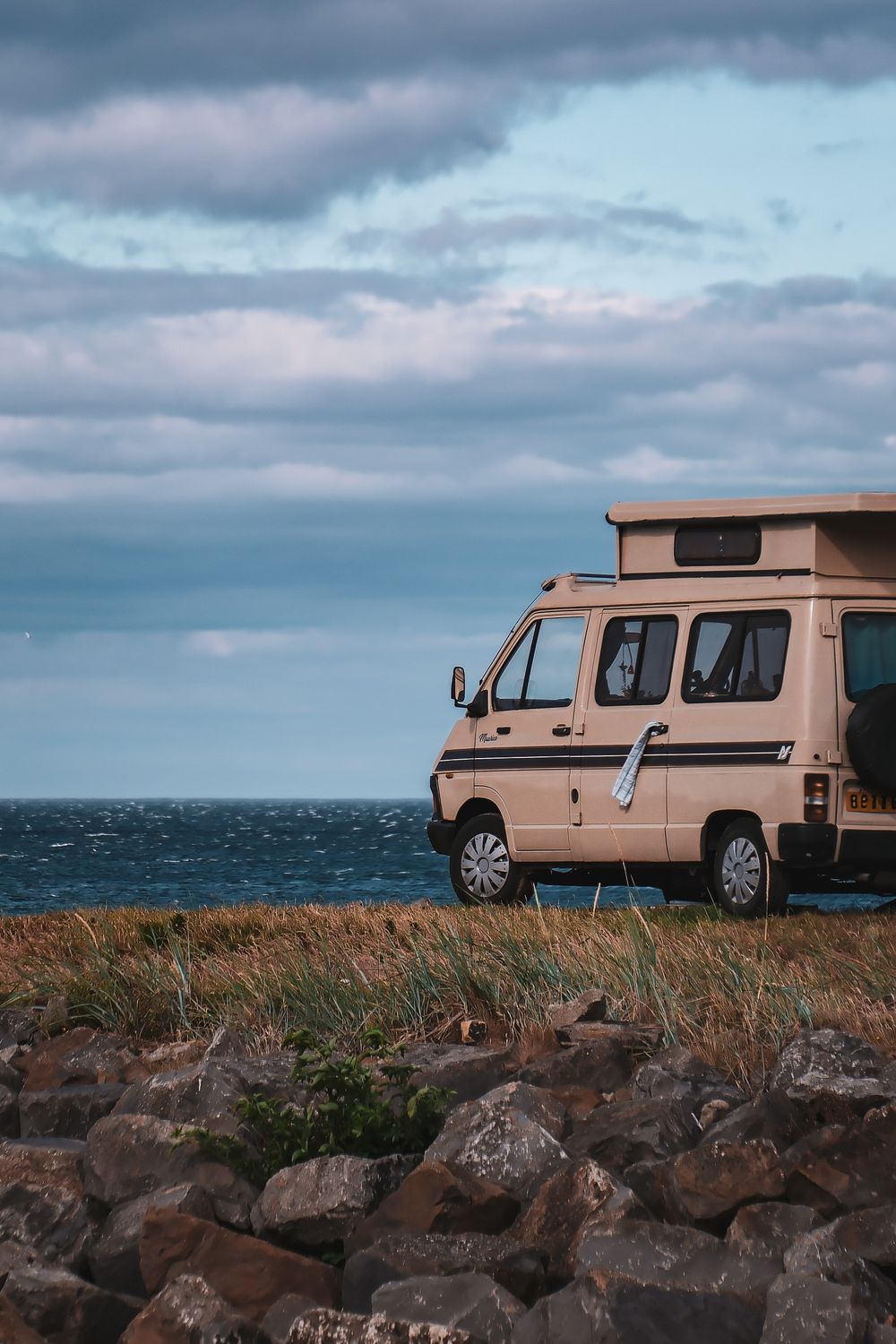
Best Electric Vans for Campervan Conversion in 2026: UK Buyer's Guide
Introduction
The electric van market has reached the point where "best electric van for a campervan conversion" is a genuine comparison with a real winner — not a list of compromises. In 2026 you can choose from a panel van built from the ground up for conversions (the Kia PV5), Europe's most beloved van reinvented as an EV (the VW ID Buzz), the UK's best-selling van electrified (the Ford E-Transit), and the classic camper bases that started life as diesel and now come electric (the Fiat e-Ducato and Mercedes eSprinter).
The decision is no longer "can I build an electric camper?" — it's "which platform suits my style of van life?" This guide compares every realistic UK option in 2026 across the criteria that actually matter for a camper build: range, payload, charging, warranty, converter support and price.
The Contenders at a Glance
| Van | Battery | WLTP Range | Best For |
|---|---|---|---|
| Kia PV5 | 51.5 / 71.2 kWh | Up to ~258 mi | Conversions from day one; V2L; 4.25t licence headroom |
| VW ID Buzz Cargo | 59–91 kWh | Up to ~300 mi | Long-range, iconic design, car-like drive |
| Ford E-Transit | 68–89 kWh | Up to ~250 mi | UK's best-selling van; huge converter ecosystem |
| Fiat e-Ducato / Peugeot e-Boxer | 79 / 110 kWh | Up to ~260 mi | Classic camper base; biggest payload headroom |
| Mercedes eSprinter | 81–113 kWh | Up to ~250 mi | Premium quality, strong warranty, comfortable |
| Renault Trafic E-Tech | 52–75 kWh | ~190–210 mi | Midsize, easy to park, urban-friendly |
Every one of these is a genuine contender, but they split into two camps: the midsize options (ID Buzz, Trafic) that are easy to live with and park, and the large panel vans (PV5, E-Transit, e-Ducato, eSprinter) that give you the space for a proper full-time camper build.
Kia PV5 — The Purpose-Built Conversion Van
Specs
- Batteries: 51.5 kWh / 71.2 kWh
- Range: up to around 258 miles WLTP (71.2 kWh)
- V2L: yes, up to 3.68 kW
- Price: from ~£27,645 (Cargo)
- Warranty: 7 years vehicle, 8 years battery
- Licence: 4.25-tonne MAM configurations available for category B holders
Why It's the Current Front-Runner
The PV5 won the 2026 International Van of the Year award, and it's the only van on this list designed from the ground up for upfitting. The flat modular floor, underfloor battery, and standard V2L make it the least-complicated electric conversion on the market. The 4.25-tonne licence allowance solves the payload problem that plagues every other EV conversion, and the warranty is class-leading.
The Catch
It's brand new, so converter experience is still building and second-hand examples are rare. You're also committing to a first-generation platform.
VW ID Buzz Cargo — The Icon
Specs
- Batteries: 59–91 kWh (77 kWh usable on the long-wheelbase)
- Range: up to around 300 miles WLTP
- V2L: not standard on all variants — check the specific spec
- Price: from ~£40,000+ for Cargo
- Warranty: 8 years battery
Why It's Compelling
The ID Buzz is the van everyone wanted to exist — a modern electric reinterpretation of the original camper icon. It drives like a car, has the best styling of any van on this list, and its longer range makes it the least anxiety-inducing option for motorway touring. VW has announced an ID Buzz California, which signals strong factory commitment to the camper market.
The Catch
It's the most expensive option per kWh, and payload is tighter than the large panel vans — you need to be disciplined about what you carry. Converter support is growing but the Cargo's high floor and smaller cargo box suit a simpler, lighter build.
Ford E-Transit — The Practical National Option
Specs
- Batteries: 68 kWh standard; extended-range versions pushing past 250 miles WLTP
- Range: around 200–250 miles WLTP depending on version
- V2L: available on some trims
- Price: from ~£43,000+ for E-Transit chassis
- Warranty: 8 years battery
Why It's Compelling
The Transit is the UK's best-selling van for a reason: it's everywhere, parts and service are everywhere, and the conversion ecosystem around it is the deepest of any van. Ford has confirmed an E-Transit-based Nugget EV, which means factory-approved conversion routes are coming. It's the safe, boring, dependable choice — which for a vehicle you'll live in is a genuine feature.
The Catch
Real-world range on the standard battery is the weakest of the large vans (130–150 miles loaded in winter), so the extended-range version is worth the premium. Payload on the E-Transit is also tighter than the e-Ducato.
Fiat e-Ducato / Peugeot e-Boxer — The Classic Camper Base, Electrified
Specs
- Batteries: 79 kWh / 110 kWh
- Range: up to around 260 miles WLTP (110 kWh)
- V2L: not standard on most versions
- Price: from ~£50,000+ for the big-battery versions
- Warranty: 8 years battery
Why It's Compelling
The Ducato platform is the most-converted base van in UK motorhome history. It's big, boxy and square — perfect for a camper build — and the 110 kWh battery delivers the best payload headroom of the electric options because the underlying chassis was already built to carry 4.25+ tonnes. For full-time living with a proper kitchen, bathroom and storage, this is the most comfortable electric canvas.
The Catch
It's the least "car-like" to drive, DC charging speeds are modest, and the price for the big battery is steep. The gas/diesel heritage means the conversion world knows it intimately, but EV-specific converter experience is what you'll actually be paying for.
Mercedes eSprinter — The Premium Option
Specs
- Batteries: 81 kWh / 113 kWh
- Range: up to around 250 miles WLTP
- V2L: not standard on most versions
- Price: premium — from ~£50,000+
- Warranty: 8 years battery
Why It's Compelling
The eSprinter is the most polished electric van on the market. Mercedes' build quality, safety systems and dealer network are the best in class, and the largest battery delivers strong real-world range. If you want a van that feels like a car inside and a premium home when converted, this is it.
The Catch
You pay a substantial premium for the badge, and the payload headroom is more limited than the Ducato. Converter support is solid but not as conversion-native as the PV5.
Renault Trafic E-Tech — The Midsize Option
Specs
- Batteries: 52–75 kWh
- Range: ~190–210 miles WLTP
- V2L: not standard on most versions
- Price: from ~£42,000+
- Warranty: 8 years battery
Why It's Compelling
The Trafic and its siblings (Vauxhall Vivaro Electric, Peugeot e-Expert, Toyota Proace Electric, Citroën e-Dispatch) are the same platform, and they're the sweet spot for part-time van life. Smaller than the big panel vans, easier to park, more efficient — a weekend-warrior electric camper that feels less like driving a warehouse.
The Catch
Range and payload are both more limited. It suits a light, compact build — no full bathroom with a 4.25-tonne headroom here. If your van life is "weekends and summers," it's arguably the best value; if it's "full-time home," the large vans win.
The Decision Framework: What Actually Matters for a Camper Build
1. Payload — the Silent Decider
Batteries weigh roughly 400–500 kg. A full camper build adds 300–600 kg. Add two people, a water tank, bikes and luggage and you're at the limit fast. This is why the 4.25-tonne licence rule matters more than any single spec: it's the difference between a legal, usable loaded camper and one that's constantly over its plate. If you're building full-time, prioritise the vans with real payload headroom (PV5, e-Ducato, E-Transit extended range).
2. Range vs. Your Driving Style
Be honest about your driving. Slow travel with charging stops is fine on 180 miles. Weekly 400-mile motorway dashes need the long-range options (ID Buzz, e-Ducato 110). Every 100 miles of WLTP range becomes roughly 70 real-world miles in a loaded camper.
3. V2L — the Power Multiplier
Vehicle-to-load turns the vehicle battery into your leisure power source. It's standard and powerful on the PV5, and available on some E-Transit trims. If V2L is a priority, put the PV5 at the top of the list — it removes the need for a heavy, expensive leisure battery install.
4. Warranty — Your Long-Term Protection
Battery warranties are uniformly 8 years across this market, but vehicle warranties differ — Kia's 7-year package is the strongest. With a conversion, your biggest asset is the electric drivetrain, so warranty length and dealer network matter more than they do with diesel.
5. Converter Experience
In 2026, the limiting factor is often not the van but the person building it. Work with a converter who has real EV experience — EV electrics are genuinely different, and insurance for converted EVs is stricter. The E-Transit and Ducato have the deepest converter ecosystems; the PV5 has the most conversion-native design.
Quick Recommendation by Lifestyle
- Full-time living, want maximum practicality: Kia PV5 (71.2 kWh) — V2L, 4.25t headroom, best warranty
- Long-range touring, want a car-like drive: VW ID Buzz Cargo (long-wheelbase)
- Built by the safest, most established ecosystem: Ford E-Transit extended range
- Biggest space and payload for a full kitchen/bathroom build: Fiat e-Ducato / e-Boxer 110 kWh
- Premium feel and comfort: Mercedes eSprinter
- Weekends and urban-friendly living: Renault Trafic E-Tech
Final Thoughts
There is no single "best" electric van for a campervan conversion in 2026 — there's a best van for your way of living. The market has matured to the point where the decision is a real lifestyle choice: range, payload, power and build support are all genuinely different between these vans.
The short version: the Kia PV5 is the conversion-first choice, the ID Buzz is the long-range icon, the E-Transit is the safe national workhorse, the e-Ducato is the space-and-payload king, and the Trafic is the agile weekend option. Match the van to your miles, your build and your parking spot — and you'll have an electric camper that beats any diesel for the way you actually travel.