Pro Tips from Real Van Lifers
- Always keep a spare key fob for your van's doors and locks
- Invest in a good quality multi-tool — it's the most used item in any van
- Label everything with masking tape during build, then permanent markers later
- Keep a small first aid kit accessible, not buried in storage
- Have a backup power source (portable battery) for phone navigation
- Keep wet wipes and a small towel in the glove box for quick cleanups
- Use door wedge chocks on uneven ground for extra stability
- Keep a small dictionary of local Welsh/Cornish words if traveling to those regions
Seasonal Considerations for UK Van Life
Spring (March-May): Great time for wild camping as days get longer. Still possible to get rain — keep waterproofing gear handy.
Summer (June-August): Peak season — campsites fill fast. Can get very warm in vans — invest in roof vents and fans. Late sunset (10pm) means more light for exploring.
Autumn (September-November): Fewer crowds, great for solitary camping. Leaves fall making single-track roads slippery.
Winter (December-February): Shortest days (sun sets by 4pm in December). Condensation management is critical — vent windows slightly. Keep de-icer in the glove box.
Introduction
Winter in the UK brings challenges: sub-zero temperatures, icy roads, and short daylight hours. This guide provides essential information to keep you safe and comfortable during the cold season.
Preparation is the key to successful winter van life.
1. Critical Vehicle Prep
Engine & Cooling System
- Oil: Switch to 5W-30 synthetic oil for cold flow.
- Coolant: Maintain 50/50 antifreeze-water mix. Use refractometer to verify -32°C freeze point.
- Battery: Keep terminals clean; lithium batteries perform 20-30% better in cold weather.
- Tyres: Use winter tyres with M+S symbol; maintain 3mm+ tread.
Electrical System
- Solar Panels: Adjust angle to 30-35° for winter sun.
- Charge Controller: Use MPPT for 20-30% better low-light efficiency.
- Wiring: Check for insulation cracks to prevent shorts.
Fluid Management
- Windshield Fluid: Use winter formula with ethylene glycol.
- Brakes: Bleed system to remove moisture that can freeze.
2. Insulation Essentials
Materials
- Rigid Foam: 25mm X-PS for walls (R-5.0)
- Floor: 10mm X-PS with vapor barrier
- Ceiling: 20mm wool batts with reflective foil
- Windows: Magnetic thermal curtains
Quick Improvements
- Reflective Foil: Install on walls to bounce heat back
- Draft Stoppers: Use insulated door skirts
- Thermal Breaks: Install between metal components
3. Heating Solutions
Primary System
- Diesel Heater: Most efficient (Webasto, Eberspächer)
- Backup: Portable electric heater for emergencies
Safety
- CO Detectors: Install near sleeping areas
- Ventilation: Always crack windows when using fuel heaters
- Fire Extinguisher: Keep Class B extinguisher accessible
Supplemental Heat
- 12V Blankets: 100W for localized warmth
- Hot Water Bottles: Fill from stove for sleeping area
4. Winter Food & Water
Water Management
- Insulate Tanks: Wrap in foam with reflective blanket
- Heater: Use 12V immersion heater to maintain 5°C+
- Emergency Supply: Keep 10L of water available
Food Strategy
- High-Calorie Meals: Focus on fats (30-40% of calories)
- One-Pot Cooking: Stews, soups, casseroles
- Emergency Rations: Energy bars, dried fruit, canned goods
Nutrition Tips
- Vitamin D: 10μg/day supplement
- Hydration: 2-3L daily (cold weather reduces thirst)
- Iron-Rich Foods: Spinach, lentils, red meat
5. Safety Protocols
Emergency Kit
- First Aid: Bandages, antiseptic, pain relief
- CO Detector: Digital with alarm
- Satellite Messenger: For SOS when out of coverage
- Traction Spikes: For ice
- Shovel: For clearing snow
Winter Driving
- Reduce Speed: 20-30% slower on ice
- Increase Following Distance: 4+ seconds
- Use Lower Gears: For uphill/slippery surfaces
- Chains: Carry for heavy snow areas
Health
- Hypothermia Watch: Shivering, confusion
- Frostbite: White/pale skin, numbness
- Treatment: Warm gradually, no massage
6. Legal & Practical
Camping
- Designated Sites: Book ahead for winter availability
- Wild Camping: Scotland allows it; England/Wales restricted
- Local Rules: Check county bylaws
Vehicle Requirements
- Lights: Ensure all functional
- Exhaust: Check for leaks (CO risk)
- Insurance: Verify winter coverage
7. Mental Health
Light Therapy
- 10,000-lux lamp: 30 minutes morning use
- Natural Light: Maximize daylight exposure
Routine
- Schedule: Fixed wake/sleep times
- Activity: Daily exercise (bodyweight circuits, walks)
- Community: Join van life groups for connection
Conclusion
Winter van life requires preparation but is rewarding. Focus on redundancy, safety, and mental health to enjoy the season.
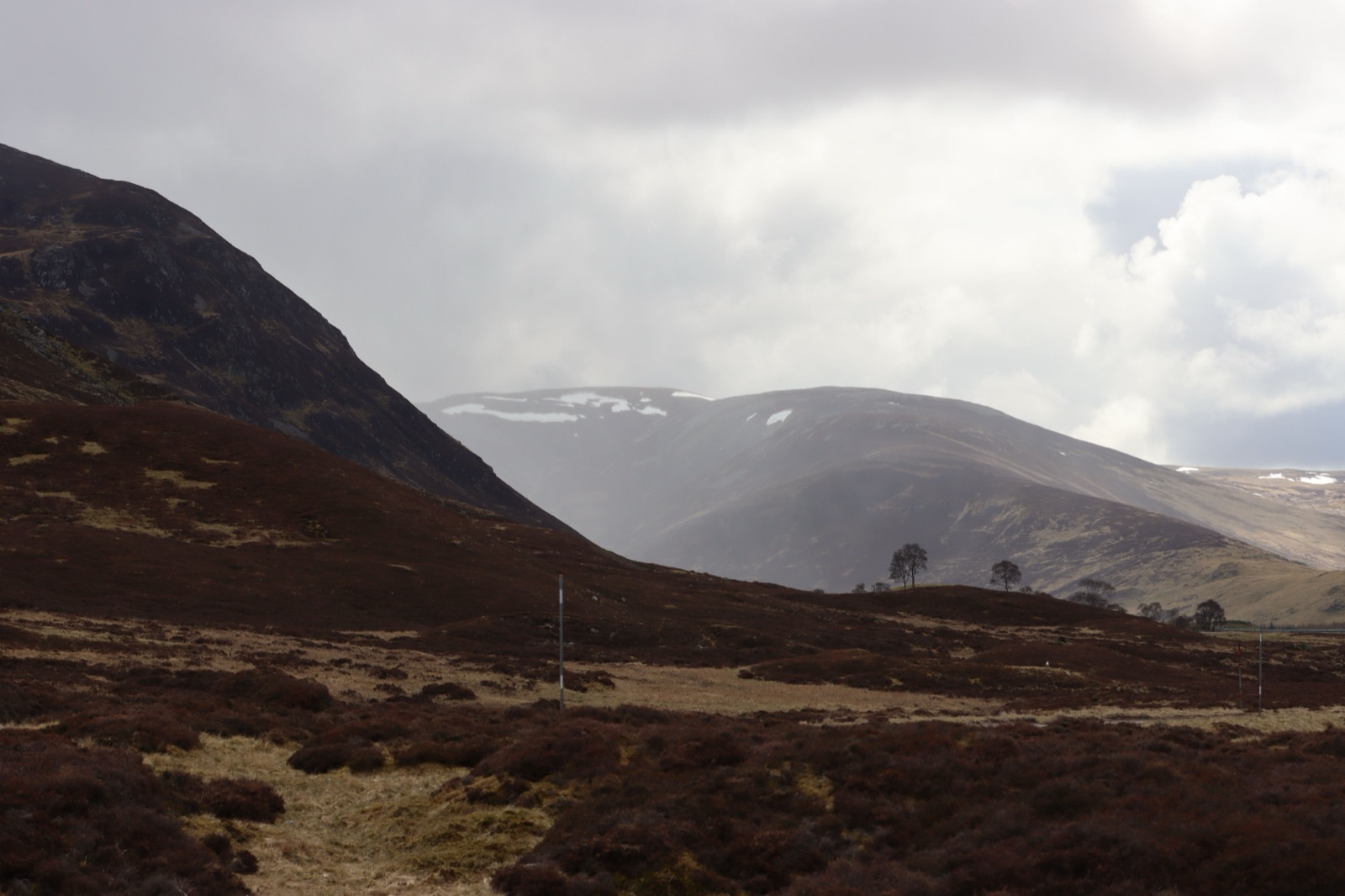
Stay warm, stay safe, enjoy the winter landscape.
Word Count: 1,500