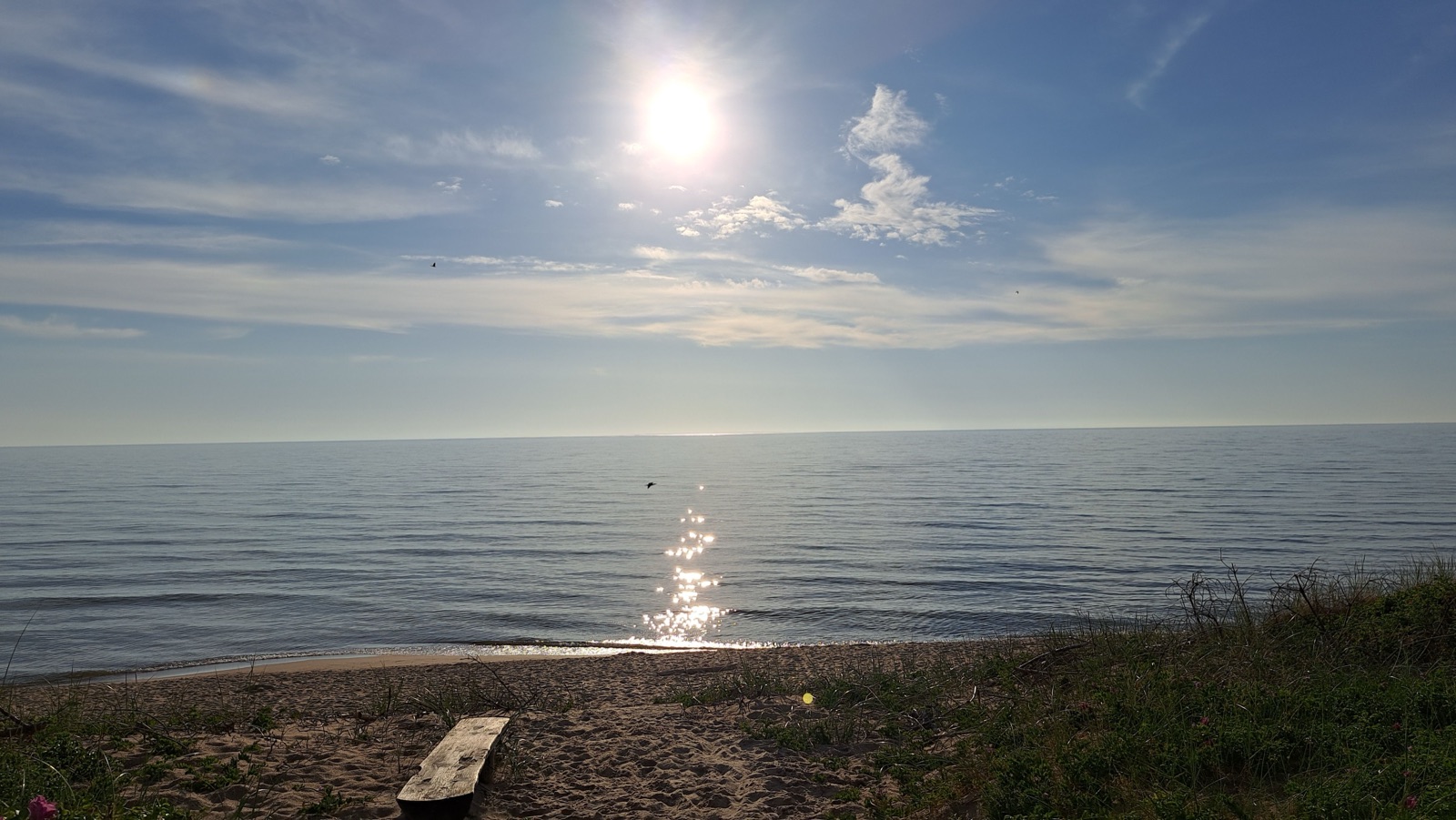
![A bright morning on a Cornish beach, a family van parked beside sand dunes]
The summer sun is already buzzing over the Atlantic, and the tide is pulling back to reveal glistening shells. Inside the compact yet cosy campervan, the Hartley family—Emma, Tom, and their eight‑year‑old twins, Lily and Sam—are waking up to the sound of gulls and the gentle roll of the sea.
This article is a day‑in‑the‑life narrative that walks you through a typical summer weekday on Cornwall’s rugged coastline. Between the vivid moments, you’ll find practical advice, checklists, and safety reminders that you can apply to your own family van‑life routine.
5:45 am – Sunrise Stretch & Early Fuel Check
The Hartleys start the day before the beach crowds arrive. Tom rolls the van’s side‑panel solar charger to its maximum angle while Emma pulls the energy dashboard on her tablet.
- Solar output check: Aim for at least 300 W on a clear morning. If the reading drops below 150 W, supplement with the portable power station (a 500 Wh lithium unit) for the first hour of cooking.
- Water tank level: With two children, the family aims for a minimum of 30 L of fresh water before heading out. Emma tops up at the nearby Swanpool Water Point (free tap water for campers).
- Cool‑box temperature: The family's insulated cooler sits on a small 12 V fridge (set to 4 °C). A quick probe confirms the temperature is stable.
“Tip: Keep a portable solar‑powered USB‑C power bank on hand for charging phones and tablets while the van is parked.
Quick Stretch Routine (3 minutes)
- Cat‑Cow stretch – 10 reps, hands on the steering wheel.
- Neck rolls – 5 each direction.
- Standing forward fold – 30 seconds, hinge at the hips to release any overnight tension.
After the stretch, the twins scramble to the compact bathroom (wet‑room) for a quick freshen‑up.
6:30 am – Breakfast on the Beach
The family heads to Porthcothan Bay, a calm spot known for its family‑friendly tide pools. The van is parked a short walk from the car park, using a portable tyre‑inflation pump to keep the tyre pressure at 35 psi.
Menu
- Overnight oats (rolled oats, almond milk, chia seeds) prepared the night before and kept chilled.
- Fresh fruit (plucked from a local farmer’s market the previous day) – strawberries, blueberries, and sliced peaches.
- Hot tea (camomile for the twins, black tea for Tom) brewed on the built‑in stove.
Cooking tip: The Hartleys use a single‑burner induction cooktop powered by the van’s inverter (300 W). A small silicone trivet protects the countertop and keeps the cooktop stable on the uneven sand.
Beach Safety Checklist
- Tide times: Check the tide forecast on the Met Office app (offline mode works with cached data).
- Sun protection: SPF 50 sunscreen, wide‑brim hats, and UV‑protective sunglasses for each family member.
- First‑aid kit: Include adhesive bandages, antiseptic wipes, and a child‑size epinephrine auto‑injector if required.
8:15 am – Exploring the Coastal Path
With breakfast finished, the family straps on their lightweight daypacks (6 L each) and sets off on the South West Coast Path. The route from Porthcothan to St Ifan offers dramatic cliffs, hidden coves, and historic fishing villages.
Navigation Tools
- Paper map (OS Explorer series) – a reliable backup when the phone signal dips.
- Offline GPS app (Maps.me) – pre‑downloaded the entire Cornwall coastal trail.
- Compass – kept in the van’s emergency drawer for quick access.
Kid‑Friendly Highlights
- Rock‑pool spotting: Lily and Sam love searching for periwinkles and shore crabs.
- Storytelling stop: At The Fairy Pools, Tom reads a short tale about a Cornish mermaid, keeping the twins engaged.
Hydration reminder: The twins drink from reusable Stainless‑steel water bottles (500 ml each) refilled at the van’s water tap.
12:00 pm – Picnic Lunch & Power‑Down
Reaching St Ifan, the family selects a sheltered spot beneath a hawthorn tree. Emma pulls a compact picnic blanket (folds into a tote) from the van’s storage shelf.
Lunch Menu
- Chicken & quinoa salad (pre‑cooked chicken sliced thin, tossed with quinoa, cherry tomatoes, cucumber, and a lemon‑olive‑oil dressing).
- Cheese & crackers (locally sourced cheddar, whole‑grain oat crackers).
- Hydrating fruit – sliced watermelon and cucumber slices.
Power‑down practice: After lunch, the Hartleys turn off the inverter and unplug the fridge for 20 minutes. This reduces the battery draw and prolongs the solar‑charge cycle.
Quiet Time
Tom reads a children’s adventure book while the twins draw in a small sketchbook. The quiet period helps keep the van’s temperature down (the sun beating down can raise interior temps to 30 °C quickly).
2:30 pm – Return to the Van – Cool‑Down Routine
Back at the van, Emma opens the roof vent and slides the portable 12‑V fan into the rear window slot. The fan circulates fresh air, keeping the interior comfortable without draining much power (under 5 W).
Shower & Refresh
- The twins use the outdoor shower (portable solar‑heated water bag) for a quick rinse after their beach adventure.
- Emma and Tom take a short hand‑wash using biodegradable soap and a collapsible washbasin.
Water Management: The family records water usage in a simple Google Sheet (columns: shower, hand‑wash, cooking) to monitor the remaining freshwater.
4:00 pm – Afternoon Activity: Coastal Kayaking
A short drive (5 minutes) takes the Hartleys to Perranporth Harbour, where a kayak hire shop offers family‑friendly double kayaks.
Safety Gear Checklist
- Life jackets (size‑appropriate for each child).
- Whistle attached to each kayak.
- Dry bag for phones and wallets.
- Sun hat and UV‑protective clothing.
The kayaks are rigid‑inflatable models with a 2‑hour battery‑powered motor assist for calm paddling on the calmer inner harbor.
Skill tip: Emma demonstrates the basic paddle stroke and the “duck dive” technique for navigating shallow spots.
6:30 pm – Sunset Cooking & Community Dinner
Returning to the van, the family sets up a compact outdoor grill (propane‑free, using a canister of butane). The Cookstove sits on a heat‑resistant mat to protect the van’s side panels.
Dinner Menu
- Grilled halloumi & vegetable skewers (courgette, bell pepper, cherry tomato).
- Sweet potato wedges cooked in the grill’s basket – a quick, nutritious side.
- Family‑style salad with rocket, beetroot, and a simple balsamic vinaigrette.
Community element: While cooking, a neighbouring family arrives, and the Hartleys share tips on charging the van with a portable solar panel (120 W foldable panel). This spontaneous exchange enriches the community feel.
8:30 pm – Evening Wind‑Down & Storytelling
After dinner, the twins settle on the van’s fold‑out sofa (converted from the rear bench). Emma lights a LED lantern (battery‑powered, 7 W) for soft ambient lighting.
Bedtime Routine
- Toilet & washing: The small wet‑room’s eco‑flush toilet uses a 2‑liter water tank; a quick flush conserves water.
- Night‑time reading: Tom reads a short Cornish legend about the Mysterious Mermaid of Porthcothan – a tradition that links the day’s activities to local folklore.
- Sleep schedule: The twins are put to bed at 9:30 pm, allowing for a solid 8‑hour rest. The parents use a white‑noise app set to “sea waves” to mask any distant traffic.
Temperature control: The van’s ventilation windows remain slightly open, and a small 12‑V fan circulates air to keep the interior at a comfortable 22 °C.
10:00 pm – Night Check & Power Management
Before heading to sleep, Tom performs a quick battery health check via the van’s BMS (Battery Management System) app.
- State of Charge (SoC): 68 % – good after a day of solar charging.
- Voltage: 12.6 V – within normal range.
- Inverter draw: 0 W – all non‑essential devices are off.
He also sets the alarm for the next morning’s wake‑up and confirms the door locks are engaged.
12‑Hour Recap: What You Can Take Away
| Time | Activity | Key Takeaway |
|---|---|---|
| 5:45 am | Solar & water check | Early energy audit prevents midday power shortage. |
| 6:30 am | Beach breakfast | Use portable induction and keep meals simple to limit fuel use. |
| 8:15 am | Coastal walk | Offline maps + paper map = reliable navigation. |
| 12:00 pm | Picnic & power‑down | Turning off the inverter extends battery life. |
| 2:30 pm | Return & fan | Low‑wattage ventilation keeps temperature down. |
| 4:00 pm | Kayaking | Safety gear and short tutorials keep kids confident. |
| 6:30 pm | Community dinner | Sharing gear tips builds a supportive network. |
| 8:30 pm | Storytelling | Local folklore adds cultural depth to the experience. |
| 10:00 pm | Battery check | Regular BMS checks ensure reliable power for the night. |
Practical Toolbox for Your Family Van‑Life Day
- Energy Kit – Portable solar panel (120 W), 500 Wh lithium power station, inverter (300 W), 12‑V fan.
- Water Kit – 40‑L fresh‑water tank, collapsible water jug, biodegradable soap.
- Cooking Gear – Induction hot‑plate, compact fridge, insulated cooler, fold‑out stove, reusable utensils.
- Safety Gear – First‑aid kit, life jackets, whistle, Sun‑Smart clothing (UPF 50+).
- Navigation – OS Explorer map, offline GPS app, compass, paper map.
- Entertainment – Sketchbooks, children’s books, offline audiobooks.
- Comfort – LED lantern, white‑noise app, breathable bedding.
FAQ – Quick Answers for Family Van‑Life
Q: How much fresh water do we need for a family of four? Answer: Aim for 30–35 L per day – 2 L per person for drinking, 5–6 L for cooking and washing.
Q: Can we rely solely on solar power in summer? Answer: Yes, provided you have at least 150 W of panel capacity and a mid‑size lithium battery (500 Wh +). Supplement with a portable power station on cloudy days.
Q: What’s the best way to keep the van cool without AC? Answer: Combine ventilation windows, a 12‑V fan, reflective sun‑shades on the windshield, and power‑down non‑essential devices during peak heat.
Q: How do we manage kids’ bedtime while on the road? Answer: Keep a consistent routine – wind‑down story, dim lighting, and a set sleep time (e.g., 9:30 pm). White‑noise mimicking sea sounds helps.
Closing Thought
A day on Cornwall’s coast demonstrates that family van‑life can be structured yet spontaneous. By planning energy, water, and safety in bite‑size blocks, you free up mental space for the moments that truly matter: watching a sunset with your kids, sharing a story by a bonfire, and feeling the salty breeze through the van’s open windows.
Take this day‑in‑the‑life template, adapt it to your own route, and let the coast of Cornwall be your classroom for carefree, balanced family travel.
If you enjoyed this glimpse into a family’s summer routine, consider joining the VanLifeUK Forum to share your own stories and pick up more tips from fellow UK van‑lifers.
Related reading: "A Journey Through the Scottish Highlands in Autumn: A Van Life Adventure" • "Autumn Van Life in the UK: A Seasonal Survival Guide" • "Beginner's Checklist: 10 Must-Have Van Life Essentials for Newbies"