Pro Tips from Real Van Lifers
- Always keep a spare key fob for your van's doors and locks
- Invest in a good quality multi-tool — it's the most used item in any van
- Label everything with masking tape during build, then permanent markers later
- Keep a small first aid kit accessible, not buried in storage
- Have a backup power source (portable battery) for phone navigation
- Keep wet wipes and a small towel in the glove box for quick cleanups
- Use door wedge chocks on uneven ground for extra stability
- Keep a small dictionary of local Welsh/Cornish words if traveling to those regions
Seasonal Considerations for UK Van Life
Spring (March-May): Great time for wild camping as days get longer. Still possible to get rain — keep waterproofing gear handy.
Summer (June-August): Peak season — campsites fill fast. Can get very warm in vans — invest in roof vents and fans. Late sunset (10pm) means more light for exploring.
Autumn (September-November): Fewer crowds, great for solitary camping. Leaves fall making single-track roads slippery.
Winter (December-February): Shortest days (sun sets by 4pm in December). Condensation management is critical — vent windows slightly. Keep de-icer in the glove box.
Pro Tips from Real Van Lifers
- Always keep a spare key fob for your van's doors and locks
- Invest in a good quality multi-tool — it's the most used item in any van
- Label everything with masking tape during build, then permanent markers later
- Keep a small first aid kit accessible, not buried in storage
- Have a backup power source (portable battery) for phone navigation
- Keep wet wipes and a small towel in the glove box for quick cleanups
- Use door wedge chocks on uneven ground for extra stability
- Keep a small dictionary of local Welsh/Cornish words if traveling to those regions
Seasonal Considerations for UK Van Life
Spring (March-May): Great time for wild camping as days get longer. Still possible to get rain — keep waterproofing gear handy.
Summer (June-August): Peak season — campsites fill fast. Can get very warm in vans — invest in roof vents and fans. Late sunset (10pm) means more light for exploring.
Autumn (September-November): Fewer crowds, great for solitary camping. Leaves fall making single-track roads slippery.
Winter (December-February): Shortest days (sun sets by 4pm in December). Condensation management is critical — vent windows slightly. Keep de-icer in the glove box.
East Anglia gets overlooked by van lifers heading to Cornwall, Scotland, or Lake District. That's exactly why it's brilliant. Fewer crowds, outstanding coastal drives, flat open landscapes for stargazing, and some of the best food and drink on the UK coast.
Norfolk: The Van Lifer's Paradise
Norfolk has more to offer than most people realise. The 100-mile coastal stretch from Brancaster to Great Yarmouth offers wild beaches, sandy bogs, and communities that welcome vans.
Key Spots:
- Holkham Beach: White sand, pine forests, private coves
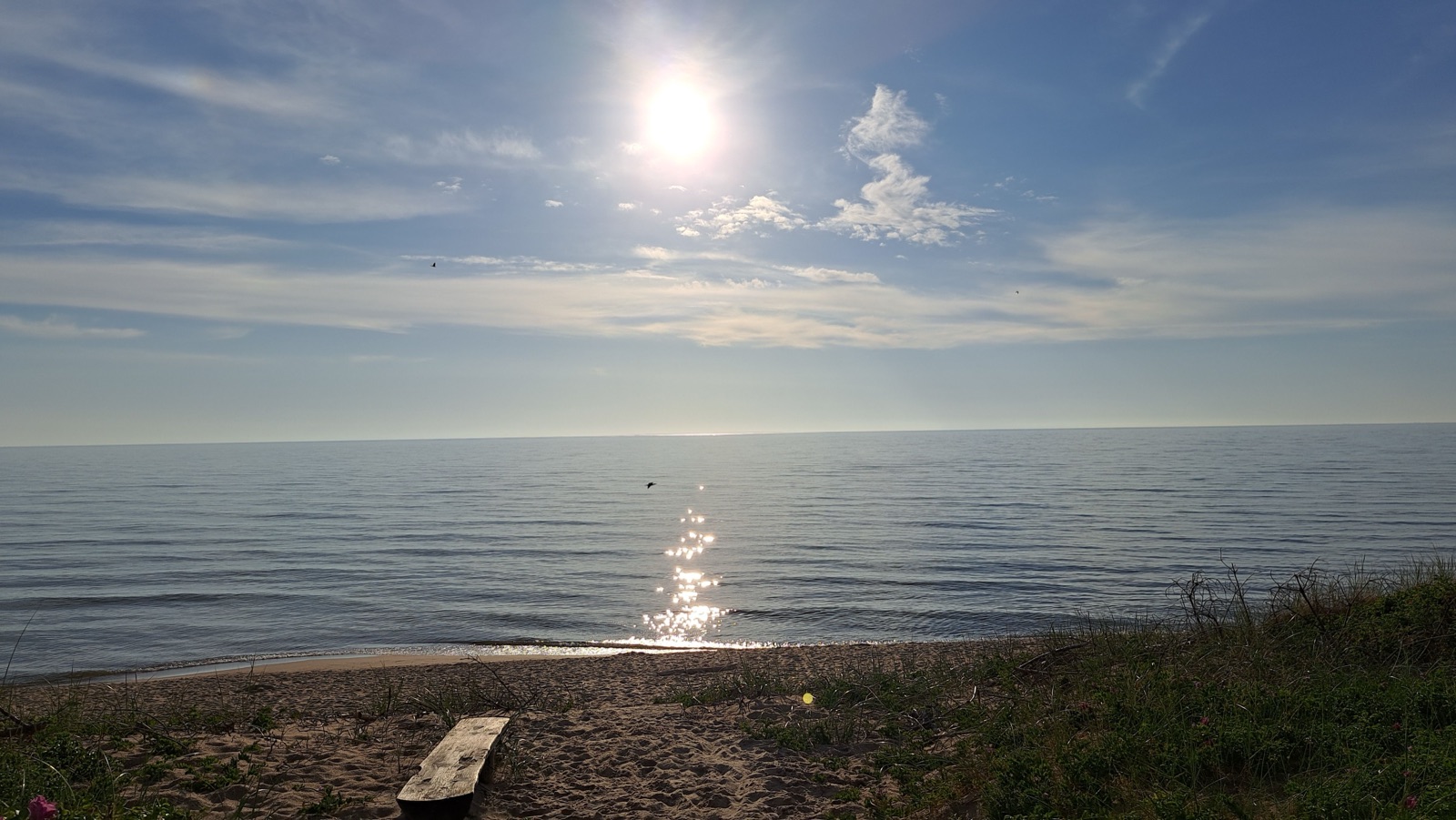
- Hunstanton: The only place in England where you can see the sunrise AND sunset over the sea
- Cley Next the Sea: Wild camping friendly, bird watching heaven
- Snettisham: Dark skies reserve, incredible for photography
Norfolk Van Life Tips
- Sand: It's everywhere. Pack a good broom and sand-proof storage
- Tides: Check tide tables. High tide catches out the unwary at Holkham
- Wind: East coast means wind exposure. Park in sheltered spots near dunes
- Parking: Car parks at Holkham charge £6-8 during summer. Free alternatives exist 2 miles inland
Suffolk: Where It All Comes Together
Suffolk is the lesser-known cousin of Norfolk. The landscape is softer, the communities more welcoming, and the coast more diverse - from the shingle of Dunwich to the salt marshes of Minsmere.
Key Spots:
- Aldeburgh:石板 beach, seafood chippies, thrill of Cob
- Southwold: Pier, lighthouse, best ice cream in East Anglia
- Walberswick: Village charm, River Blyth access
- Felixstowe Beach: Hard sand, wide open, great for morning runs
Cambridgeshire: Beyond the University Towns
Often dismissed as "just roads and academia," Cambridgeshire's fens and rivers offer quiet, contemplative van life. The landscape is flat but surprisingly beautiful, especially at golden hour.
Key Spots:
- The Fens: Open skies, dark spots, unique agricultural scenery
- Cam Railway Cycle Path: Follow the river, stop at villages
- Ely Cathedral: Day trip spot, great water views
- Woodwalton Fen: Nature reserve, rarer birds
Wild Camping in East Anglia
The landscape is mostly private farmland, so wild camping needs permission. The following areas are friendly:
- Norfolk Broads: Most hostels allow overnight parking
- Suffolk Coast Path: Beach camping is common in summer
- The Fens: Dark spots, open skies, some landowners welcoming
Best Time to Visit
- Spring: Daffodil season, bird migration (April-May)
- Summer: Beach season, long days, festivals (June-August)
- Autumn: Golden light, harvest season, fewer crowds
- Winter: Dramatic skies, best for photographers, storm watching
East Anglia is van life's quiet achiever. Find everything you need on Amazon.co.uk using our affiliate links.