Introduction
Food isn’t just fuel on the road—it’s comfort, celebration, and the glue that holds a van‑life community together. When you trade a kitchen for a few square metres of timber and fabric, the way you prepare, store, and cook meals shifts dramatically. Yet the reward is huge: you can whip up hot, nourishing meals wherever the UK’s hills and coastlines take you, from the misty peaks of the Lake District to the golden beaches of Cornwall.
This guide distills the knowledge of dozens of seasoned van‑life chefs into a step‑by‑step playbook. It covers advanced planning, one‑pot wonders, baking in a van, preserving the bounty of summer, budget‑friendly recipes, seasonal adjustments, and safety hygiene—all framed by the realities of limited space, limited power, and the constant motion of life on the road. Whether you’re a novice who’s just mastered the humble skillet or an experienced road‑warrior looking to up your culinary game, you’ll find everything you need to turn your kitchen on wheels into a culinary haven.
“Insight from the road: “Cooking in a van forces you to rethink everything—no endless countertops, no endless pots. When you master the art of a single pot, you also master patience, creativity, and the joy of a perfectly timed meal.” – Mia, full‑time van lifer and home‑cooked‑every‑day advocate
Table of Contents
- Planning & Preparing in the Van Kitchen
- Essential Gear & Smart Budgeting
- Meal‑Prep Mastery: Batch & Freeze
- One‑Pot Wonders: Flavorful Meals with Minimal Cleanup
- Baking in a Van: From Bread to Pie
- Keeping Food Fresh: Fridge, Cooler & Preservation
- Budget‑Friendly Seasonal Recipes
- Cooking for the Seasons: UK Seasonal Calendar
8.1 Spring: Asparagus & Early Berries
7.2 Summer: Berries, Tomatoes & Grilling
7.3 Autumn: Root Veg & Hearty Stews
7.3 Winter: Comfort, Pickles & Preserves - Safety, Sanitation & Waste Management
- FAQ – Cooking on the Road
- Related Articles & Internal Links
1. Planning & Preparing in the Van Kitchen
1.1 Mapping Your Weekly Menu
- Pick a base menu – Choose 5–7 core dishes you’ll rotate.
- List repeating ingredients – Stock those first to minimise waste.
- Schedule prep days – Allocate 30 min on the weekend or at a rest stop to prep veggies, sauces, or grains.
1.2 Shopping Strategies on the Road
| Option | Pros | Cons | Tips |
|---|---|---|---|
| Local Tesco / Sainsbury’s | Full selection, cheap | Can be crowded | Shop early; use self‑checkout to save time |
| Farmers’ Markets | Fresh, often cheaper, local | Limited hours | Bring reusable bags, arrive early |
| Mobile Green Grocers | Fresh produce, low waste | Limited locations | Use Mobile Grocers app to find van‑based stalls |
| Online Delivery (Tesco, Amazon Fresh) | Door‑step service | Higher cost, requires storage | Use insulated cooler bags to store orders until you reach a spot with a fridge |
1.2 Cyclical Shopping Lists
| Week | Core Items | Seasonal Add‑Ons |
|---|---|---|
| 1 | Rice, pasta, canned beans, eggs | Fresh herbs, carrots, greens |
| 2 | Potatoes, onions, tomatoes | Strawberries, peas |
| 3 | Flour, eggs, butter | Asparagus, new potatoes |
| 4 | Quinoa, lentils, canned fish | Zucchini, peppers |
2. Essential Gear & Smart Budgeting
| Item | Recommended Model | Approx. Cost | Use |
|---|---|---|---|
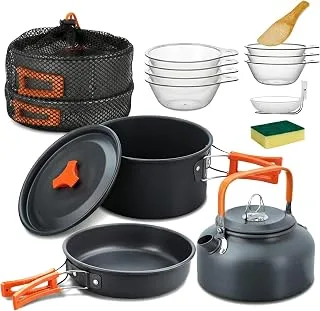
| Portable 2‑burner gas stove | Coleman Classic | £45 | Cook most meals (boil, fry) safely. |
| Compact induction hob | Bosch 1500 W | £120 | Faster heating, requires 230 V shore power. |
| Collapsible silicone pot | Utopia Kitchen 1‑L | £12 | Saves space; holds up to 1 L of broth or stew. |
| Reusable silicone storage bags | Stasher 1 L | £3 per bag | Replace disposable bags; keep prepped ingredients. |
| 12‑V portable fridge | Dometic CFX 3 | £400 | Keeps perishables fresh for 7‑10 days. |
| LED lantern with dimmer | LuminAID PackLite Max | £30 | Soft ambient light for cooking at night. |
| Heat‑deflecting stove mat | Thermo‑Mat | £15 | Protects van floor from heat and spills. |
Budget Tip: Many of these items go on sale during UK ‘Black Friday’ or end‑of‑season clearances; sign up for price‑drop alerts on PriceRunner or CamelCamelCamel.
4. One‑Pot Wonders: Flavorful Meals with Minimal Cleanup
One‑pot meals are the holy grail of van cooking: they maximize flavor, minimise dishes, and can be cooked entirely in a pot that doubles as a serving bowl.
5 Classic One‑Pot Recipes
| Recipe | Main Ingredients | Cooking Time | Why It Works in a Van |
|---|---|---|---|
| Hearty Lentil & Sweet‑Potato Stew | Red lentils, diced sweet potato, carrots, smoked paprika | 35 min | Uses pantry staples, freezes well, high protein. |
| Mediterranean Chickpea‑Tomato Pasta | Pasta, chickpeas, canned tomatoes, olives, olives | 20 min | Minimal water, uses pantry items, vegetarian. |
| British Sausage‑and‑Bean Casserole | Cumberland sausage, baked beans, onion, HP sauce | 25 min | Familiar flavours, uses pantry staples, fills the belly. |
| Campfire‑Style Paprika Chicken & Peppers | Chicken thighs, bell peppers, smoked paprika, olives | 30 min | One‑pot, minimal prep, great flavor. |
| Knocking‑Away Soup (Inspired by The Good Food magazine) | Lentils, carrots, celery, stock cube, thyme | 30 min | Cheap, nutritious, keeps well in the fridge. |
5.1 Tips for Perfect One‑Pot Execution
- Sauté first – Brown the meat or tofu before adding liquids for richer flavor.
- Deglaze – Add a splash of wine, broth, or water to lift the caramelised bits; they’re flavor gold.
- Layer spices – Add dried herbs early, fresh herbs at the end for brightness.
- Cover when possible – Traps steam, reduces cooking time.
- Clean as you go – The pot’s only surface to clean, but a quick scrape prevents burnt bits.
6. Baking in a Van: From Bread to Pie
Van baking isn’t magic; it’s physics. The limited space and uneven heat of a camp stove demand a few clever hacks.
| Dish | Small‑Scale Equivalent | Baking Hack |
|---|---|---|
| Soda Bread | Mini soda‑bread muffins (use a muffin tin) | Fill the tin, bake on low heat (≈ 150 °C) on a small stove or in a portable oven. |
| Apple Crumble | Mini crumble jars (use 500 ml jam jars) | Layer sliced apples, crumble topping, cover tightly with foil, bake slowly. |
| Quiche | Single‑serve quiche in a ramekin | Use a cast‑iron skillet, cover, bake 20‑25 min. |
| Pizza | Pita‑pizza (use store‑bought pita as base) | Top with sauce, cheese, grill on stove until cheese melts. |
| Brownies | Mini brownie squares (12‑portion batch) | Mix batter, pour into silicone muffin tray, bake on low heat. |
Equipment Hacks:
- Use a foldable camping griddle as a grill surface for pancakes or frittatas.
- Foil‑covered snail‑mail pots work as mini baking dishes.
- For crusty bread, pre‑heat a cast‑iron skillet, place dough inside, cover with foil and cook slowly.
Cleaning: Soak the skillet in boiled water with a splash of dish soap; use a soft sponge – no abrasive pads that scratch the coating.
7. Keeping Food Fresh: Fridge, Cooler & Preservation
6‑Step Preservation Checklist
| Step | Action | Reason |
|---|---|---|
| 1 | Pre‑freeze meat, bread, and pre‑cooked meals | Extends life up to 2 weeks. |
| 2 | Pack a 12‑L cooler with ice packs | Keeps dairy, veg, and leftovers cold. |
| 3 | Use insulated bags for fresh fruit & veg | Prevents wilting. |
| 4 | Label everything with date and “use‑by” | Avoid food waste. |
| 5 | Rotate stock – older items at the front | First‑in‑first‑out system. |
| 6 | Top up ice packs every 2‑3 days or refill at a service station | Keeps temperature < 5 °C. |
6.1 Specialty Preservation Tools
- Vacuum sealer (FoodSaver or similar) – removes air, extends shelf life up to 5× longer.
- Dehydrator (12 L) – perfect for fruit leathers, jerky, dried herbs.
- Canning kit (pressure canner) – for jams, chutneys, and stews; requires careful handling.
8. Budget‑Friendly Seasonal Recipes
8.1 Spring Cheat‑Sheet (Mar‑May)
| Dish | Cost (≈) | Main Ingredients | Approx. Prep Time |
|---|---|---|---|
| Wild Garlic & Potato Soup | £3 | Wild garlic, potatoes, stock cube | 15 min |
| Pea & Mint Soup | £2.50 | Frozen peas, fresh mint, cream | 10 min |
| Strawberry‑Yogurt Parfait | £2 | Plain yogurt, seasonal strawberries, honey | Assemble only |
| Raspberry & Oat Muffins | £3 | Whole‑meal flour, raspberries, oat milk | 25 min bake |
8.2 Summer Harvest
| Dish | Cost (≈) | Main Ingredients | Approx. Prep Time |
|---|---|---|---|
| Cold Tomato‑Cucumber Soup | £2.80 | Fresh tomatoes, cucumbers, yogurt | 15 min |
| Cheesy Sweet‑Corn Bake | £3.20 | Sweet corn kernels, cheddar, eggs | 30 min bake |
| Grilled Sardines | £4 | Fresh sardines, lemon, olive oil | 10 min grill |
8.3 Autumn Comfort
| Dish | Cost (≈) | Main Ingredients | Approx. Prep Time |
|---|---|---|---|
| Root‑Vegetable Stew | £3.50 | Carrots, parsnips, potatoes, stock | 45 min |
| Pumpkin & Sage Risotto | £4.20 | Arborio rice, pumpkin puree, fresh sage | 40 min |
| Apple Crumble | £2.80 | Apples, oats, butter, brown sugar | 30 min bake |
8.4 Winter Warmers
| Dish | Cost (≈) | Main Ingredients | Approx. Prep Time |
|---|---|---|---|
| Hearty Beef & Barley Stew | £5 | Beef chuck, pearl barley, carrots | 2 hrs simmer |
| Mulled Cider | £2 | Apple cider, cinnamon sticks, star anise | 15 min simmer |
| Hearty Lentil Soup | £2.50 | Lentils, mixed veg, stock | 25 min |
Tip: Cook large batches and freeze in silicone freezer bags – they’re lighter and take up less space than rigid containers.
9. Safety, Sanitation & Waste Management
| Safety Area | Must‑Do Action | Reason |
|---|---|---|
| Fire safety | Keep a 2 kg ABC fire extinguisher mounted within arm’s reach. | Mandatory for any open flame. |
| CO detection | Install a battery‑operated CO alarm (e.g., Kidde). Test monthly. | Prevents carbon monoxide poisoning. |
| Hygiene | Wash hands with soap & water (or sanitiser) before and after handling food. | Prevents food‑borne illness. |
| Waste disposal | Pack out all waste; use sealed bags for compostable waste; dump at civic amenity sites. | Keeps sites tidy, avoids fines. |
| Food safety | Cook meats to ≥ 75 °C, refrigerate leftovers within 2 h, consume within 48 h, or freeze. | Avoids salmonella, campylobacter, etc. |
FAQ
Q1: What kitchen equipment gives the biggest bang for the buck?
A: A compact gas stove, a sturdy pot, and a set of reusable silicone bags. They cover almost every meal.
Q2: How can I store fresh produce while on the road?
A: Use a collapsible insulated cooler bag with gel packs; keep it in the van’s fridge compartment; store ethylene‑producing fruits (apples, bananas) separately from other veg.
Q3: What’s the best way to avoid food waste?
A: Plan portions, batch‑cook and freeze leftovers, and always do a “what’s left?” inventory before grocery shopping.
Q4: Can I bake a proper cake in a van?
A: Yes! Use a small silicone cake pan, bake on low heat on the stove, and cover with foil to retain moisture. Expect longer bake times; test with a toothpick.
Q5: How do I keep my kitchen clean with limited water?
A: Keep a water container (5 L) for washing, a spray bottle of diluted dish soap, and micro‑fiber cloths for quick wipe‑downs. Re‑use rinse water for the next dish when possible.
Q6: Is it okay to bake with an open flame?
A: Yes, but always on a stable surface, with a fire‑proof mat underneath, and never leave the flame unattended. Keep a fire extinguisher nearby.
Related Articles & Internal Links
- Best Apps for UK Van Life – Navigation, fuel‑price alerts and community tools.
- Winter Van Life Tips for UK Travelers – Insulation and heating hacks for colder months.
- Best Campervan Conversions for UK Roads – Technical details on building a baked‑good‑friendly kitchen.
- Budget Van Life Breakdown – UK – See how cooking supplies affect overall cost.
- Hidden Campervan Spots in Wales – Scenic kitchen views with limited Wi‑Fi.