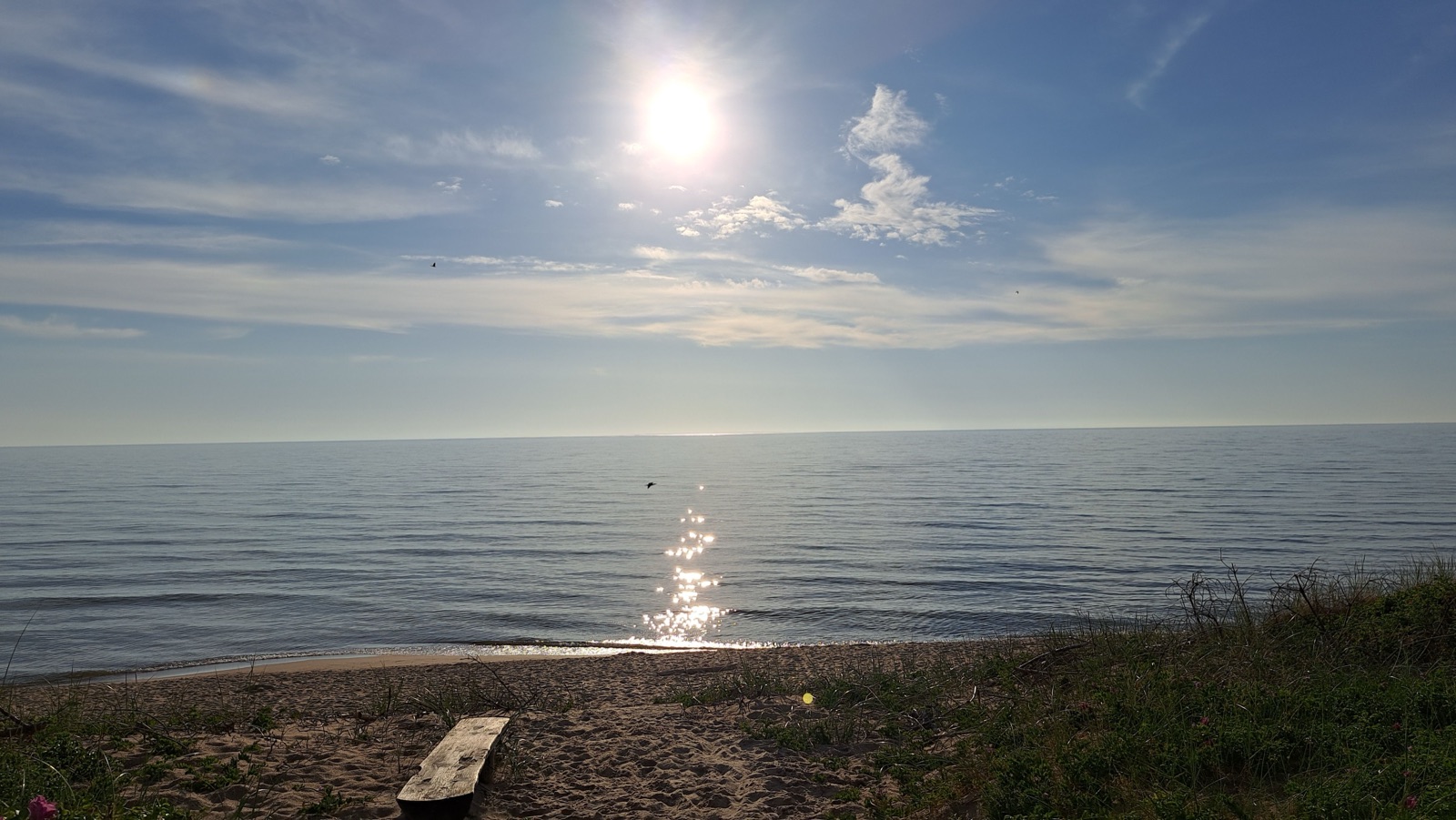
![A sunrise over a quiet Scottish loch, a lone van parked at the water’s edge]
Living on the road offers freedom, breathtaking scenery, and the chance to rewrite daily routines. Yet the very elements that attract many—solitude, limited space, and constant change—can also strain mental health. In this article we blend an expert interview, real‑world anecdotes, and a toolbox of practical strategies so you can enjoy the open road while staying emotionally resilient.
Interview: A Conversation with Emma Hart, Clinical Psychologist & Van‑Life Mentor
Emma works with travelling professionals and has guided dozens of UK van‑lifers through the psychological ups and downs of mobile living.
Q: What are the most common mental‑health challenges you hear from van‑lifers in the UK?
Emma: “Isolation is the headline, but it’s layered. Many people feel social isolation—they miss regular face‑to‑face contact, even if they’re meeting fellow travellers at campsites. Then there’s environmental stress from cramped spaces and unpredictable weather, especially up north where the days can be short in winter. Finally, the identity shift—moving from a fixed routine to a fluid one—creates anxiety about finances, future plans, and personal purpose.”
Q: How can someone recognise early signs that they need support?
Emma: “Look for changes in sleep patterns, a rise in irritability, or a sudden loss of interest in things you used to love—like exploring new routes. Physical symptoms often follow: headaches, stomach upset, or a lingering fatigue that isn’t just from driving. When these signs linger more than a week, it’s time to reach out—whether to a therapist, a trusted friend, or a community forum.”
Q: Many van‑lifers operate on a shoestring budget. How can they afford professional mental‑health support?
Emma: “The NHS provides free services; the challenge is accessing them while on the road. I recommend setting up a digital health passport—a saved PDF of your NHS number, GP contact, and any medication details—stored on your phone and in a cloud note. Many GP practices now offer video consultations. If you’re outside England, look for local charities that provide free counselling for mobile workers.”
Q: What everyday habits help maintain balance?
Emma: “Three pillars work best:
- Routine Anchors – simple, repeatable actions that ground you (morning tea, a 10‑minute stretch, a nightly journal).
- Social Touchpoints – schedule at least two intentional connections per week (phone call, video chat, or a meetup at a known campsite).
- Physical Movement – even a short walk or a quick bike ride resets your nervous system and combats the sedentary nature of life in a van.
Pair those with a digital‑detox window—turn off Wi‑Fi after 9 pm to give your brain a break from constant notifications.”
1. Build a Portable Support Network
1.1. Online Communities Worth Joining
| Platform | Focus | How to Join |
|---|---|---|
| VanLifeUK Forum | General UK‑van‑life chat, weekly mental‑well‑being threads | Register at https://vanlifeuk.org (free) |
| Reddit r/VanLifeUK | Peer advice, route sharing, occasional therapist AMA | Create a Reddit account, subscribe to the subreddit |
| Discord “Road‑Mates” | Real‑time voice rooms, built‑in meditation sessions | Invite link: https://discord.gg/road‑mates |
| Meetup.com “Van‑Life Support Groups” | In‑person meet‑ups in major towns (York, Bristol, Edinburgh) | Search “Van Life Support” and RSVP |
1.2. Local Face‑to‑Face Meet‑ups
- Campsite Community Boards – many UK campsites have a chalkboard or QR‑code sign‑up sheet for evening socials.
- Pop‑up Therapy Pods – a growing initiative where qualified counsellors set up a cosy “pod” at popular caravan sites (e.g., Towcester, Lake District). Check the van‑life calendar on the community board for dates.
- Volunteer Opportunities – helping at local festivals or community gardens gives structure, purpose, and instant social contact.
2. Crafting a Personal Mental‑Health Routine
2.1. The 5‑Minute Sunrise Ritual
- Open the doors – let fresh air flood the cabin.
- Sip water – hydrate before coffee; dehydration worsens anxiety.
- Grounding breath – inhale for 4 seconds, hold 4, exhale 6 (repeat three times).
- Set an intention – write a one‑line goal for the day (“Ask a fellow camper for a coffee recommendation”).
- Quick stretch – hinge at the hips, reach for the sky, roll shoulders.
2.2. Night‑time Wind‑Down Blueprint
- Dim the lights at least 30 minutes before sleep (use amber LED strips).
- Screen‑free journal – use a small notebook to note three things you enjoyed that day and any lingering worries.
- Guided audio – a 10‑minute meditation from the Insight Timer app (search “UK nature” for ambient sounds that mimic your surroundings).
3. Managing Space‑Induced Stress
3.1. Declutter with the One‑In‑One‑Out Rule
Every time you bring a new item into the van, remove another. Prioritise multi‑purpose gear (e.g., a collapsible bucket that works as a seat). Store rarely‑used items under the bed in vacuum‑sealed bags to keep the living area free.
3.2. Personalise, but Keep It Simple
- Mini‑gallery – a magnetic board for a few favourite postcards or Polaroids.
- Scent cue – a small sachet of lavender or cedarwood can signal “relax” to your brain.
- Noise control – earplugs or white‑noise apps help when parked in noisy areas (motorways, city outskirts).
4. Financial Anxiety: Keeping Money Worries at Bay
- Budget Snapshot – a one‑page spreadsheet (Google Sheets) that tracks fuel, campsite fees, groceries, and emergency fund. Update it weekly.
- Buffer Fund – aim for three months of essential expenses saved in an easy‑access account (e.g., a high‑interest current account). Keep the account details on a secure note.
- Side‑Hustle Ideas – remote freelance writing, photography sales (stock sites accept UK‑road photos), or teaching virtual workshops on van‑life skills.
5. Seasonal Strategies for the UK Climate
| Season | Key Stressor | Countermeasure |
|---|---|---|
| Winter (Nov‑Feb) | Short daylight, cold, cabin fever | Light therapy lamp (8,000 lux), cosy blankets, schedule daytime activities outside the van (hiking, museum visits). |
| Spring (Mar‑May) | Allergies, rain‑soaked roads | Portable air‑filter, quick‑dry towels, keep a rain‑proof blanket for spontaneous stops. |
| Summer (Jun‑Aug) | Heat, limited shade | Ventilation fans, reflective sun‑shade on the windshield, drink electrolyte‑rich fluids. |
| Autumn (Sep‑Oct) | Variable weather, fading daylight | Dual‑layer curtains, flexible lighting (battery‑powered LED strips). |
6. FAQ – Quick Answers to Common Concerns
Q: I feel lonely even after meeting other travellers. Answer: Loneliness isn’t just about physical alone‑time; it’s often about meaningful connection. Consider joining a skill‑share session (e.g., cooking class at a campsite) where you teach something you enjoy. Purposeful interaction beats casual chatter.
Q: How often should I see a therapist while on the road? Answer: Start with a monthly video session. If you notice increased anxiety or depressive symptoms, shorten the interval. Many therapists offer flexi‑pay plans for remote clients.
Q: My internet is spotty; can I still access NHS services? Answer: Yes. NHS 111 online works on 3G/4G. Keep a digital health passport cached on your device for offline reference, and store the number of your local GP in your contacts list.
7. Real‑World Stories – Mini Vignettes
““I was on the north‑west coast of Wales, the sea mist curling around the van. I felt a wave of panic about the future, so I pulled over, opened my journal, and wrote down three things I loved about the day. By sunset, the anxiety had lifted, and I ended up chatting with a local fisherman who showed me a hidden cove.” – Jon, 34, Nottingham‑based digital nomad
““During a rainstorm in the Lake District, I realised my mental health was slipping. I called a friend on the phone, we talked for an hour while the rain hammered the roof. That simple human voice reminded me I wasn’t alone.” – Sophie, 28, former London accountant
8. Summary & Action Checklist
- Join at least one online van‑life community and set a weekly reminder to check it.
- Implement the 5‑minute sunrise ritual for the next seven days and note any mood changes.
- Create a one‑page budget snapshot and review it every Sunday.
- Schedule a remote GP or therapist appointment within the next two weeks, using your digital health passport.
- Plan a meet‑up (online or in‑person) for the upcoming month—whether a campsite dinner or a local volunteer shift.
By integrating these practices, you turn the freedom of the road into a sustainable lifestyle that nurtures both body and mind.
If you found this guide helpful, consider sharing your own mental‑health tip in the VanLifeUK Forum—your experience might be the lifeline another traveller needs.
Related reading: "A Journey Through the Scottish Highlands in Autumn: A Van Life Adventure" • "Autumn Van Life in the UK: A Seasonal Survival Guide" • "Beginner's Checklist: 10 Must-Have Van Life Essentials for Newbies"