By a UK van life writer who has explored every corner of the Emerald Isle.
Introduction – Why Northern Ireland?
Northern Ireland is a land of myth and magic, where rugged coastlines meet rolling green hills, and ancient castles stand sentinel over misty valleys. For van lifers, it offers a unique blend of natural beauty, rich history, and warm hospitality. From the iconic Giant’s Causeway to the serene Lough Erne, this small but mighty region packs a punch. In this deep dive, I’ll share practical advice, hidden spots, and insider tips to help you make the most of your van life adventure in Northern Ireland.
Getting to Know the Landscape
Key Regions
- Causeway Coast: Famous for the Giant’s Causeway, Carrick‑a‑Rede Rope Bridge, and the Dark Hedges.
- Mourne Mountains: Home to Slieve Donard, the highest peak in Northern Ireland, and the stunning Silent Valley Reservoir.
- Fermanagh Lakelands: A maze of lakes, rivers, and islands, perfect for water sports and fishing.
- Antrim Coast: Dramatic cliffs, sandy beaches, and the Glens of Antrim.
Climate
- Mild and wet: Northern Ireland experiences a temperate maritime climate, with mild winters and cool summers.
- Rainfall: The west coast is wetter, while the east is drier.
- Best time to visit: May to September for the best weather, but winter can be magical for those who don’t mind the cold.
Top 5 Scenic Routes for Van Lifers
1. The Causeway Coastal Route
- Distance: 120 miles (193 km)
- Highlights: Giant’s Causeway, Carrick‑a‑Rede Rope Bridge, Dunluce Castle, and the Dark Hedges.
- Parking: Designated car parks along the route; some allow overnight stays (check signs).
- Tip: Start early to avoid crowds and secure a spot at popular sites.
2. The Mourne Mountains Loop
- Distance: 60 miles (97 km)
- Highlights: Slieve Donard, Silent Valley Reservoir, and the Mourne Wall.
- Parking: Several lay‑bys and car parks; some require a small fee.
- Tip: Bring a map and compass—mobile signal can be patchy in the mountains.
3. The Fermanagh Lakelands Trail
- Distance: 80 miles (129 km)
- Highlights: Lough Erne, Enniskillen Castle, and the Marble Arch Caves.
- Parking: Many lakeside car parks allow overnight stays; check local signs.
- Tip: Rent a kayak or canoe to explore the loughs from a different perspective.
4. The Glens of Antrim
- Distance: 50 miles (80 km)
- Highlights: Nine glens, each with its own character, from Glenariff (the “Queen of the Glens”) to Glenarm.
- Parking: Small car parks in each glen; some are free, others charge a small fee.
- Tip: Visit Glenariff Forest Park for stunning waterfalls and walking trails.
5. The Sperrin Mountains
- Distance: 40 miles (64 km)
- Highlights: Wild, unspoilt landscapes, ancient stone circles, and panoramic views.
- Parking: Limited facilities; wild camping is permitted in some areas (check local bylaws).
- Tip: Bring a camera—the Sperrins are a Dark Sky Discovery Site, perfect for stargazing.
Hidden Gems for Van Lifers
1. The Dark Hedges
- Why it’s special: An avenue of beech trees forming a natural tunnel, made famous by Game of Thrones.
- Parking: Small lay‑by nearby; arrive early to avoid crowds.
- Tip: Visit at sunrise or sunset for the best light and fewer people.
2. The Gobbins Cliff Path
- Why it’s special: A dramatic coastal path with tunnels, bridges, and breathtaking views.
- Parking: Car park at the visitor centre (fee applies).
- Tip: Book tickets in advance, especially in summer.
3. The Marble Arch Caves
- Why it’s special: A subterranean wonderland of stalactites and stalagmites.
- Parking: Car park at the visitor centre (fee applies).
- Tip: Combine with a visit to the nearby Florence Court House for a full day out.
4. The Mourne Mountains’ Silent Valley
- Why it’s special: A tranquil reservoir surrounded by mountains, perfect for a peaceful overnight stay.
- Parking: Small car park at the reservoir (fee applies).
- Tip: Bring a torch for evening walks—the area is a Dark Sky Discovery Site.
5. The Causeway Coast’s Secret Beaches
- Why it’s special: Hidden coves like Whitepark Bay and Ballintoy Harbour offer solitude and stunning scenery.
- Parking: Limited lay‑bys; arrive early to secure a spot.
- Tip: Check tide times before visiting—some beaches are only accessible at low tide.
Practical Tips for Van Lifers
Parking and Overnight Stays
- Wild camping: Generally tolerated in remote areas, but always follow the Countryside Code and leave no trace.
- Campsites: Use apps like Park4Night and CamperContact to find pet‑friendly sites with facilities.
- Farm stays: Many farmers allow van lifers to park on their land for a small fee—ask politely and respect their property.
Facilities
- Water: Refill at campsites, service stations, or public taps (often found in villages).
- Waste disposal: Use designated chemical disposal points (often at campsites or public toilets).
- Shopping: Supermarkets are plentiful in towns, but stock up on essentials before heading into remote areas.
Safety
- Weather: Northern Ireland’s weather can change quickly. Check forecasts regularly and be prepared for sudden rain or fog.
- Road conditions: Many rural roads are narrow and winding. Drive slowly and be prepared to reverse if necessary.
- Wildlife: Keep a safe distance from livestock and avoid disturbing nesting birds.
Budgeting
- Fuel: Prices are similar to the rest of the UK, but can be higher in remote areas.
- Campsite fees: Range from £10‑£25 per night, depending on facilities.
- Food: Local markets and supermarkets offer good value; cooking in your van saves money.
Conclusion – The Magic of Northern Ireland
Northern Ireland is a van lifer’s dream, with its stunning landscapes, rich history, and friendly locals. From the rugged Causeway Coast to the serene Mourne Mountains, there’s something for everyone. By following the tips in this guide, you’ll be well‑prepared to explore this beautiful region and create memories that will last a lifetime.
So pack your bags, hit the road, and discover the magic of Northern Ireland.
Happy travels, and may your journey be filled with wonder.
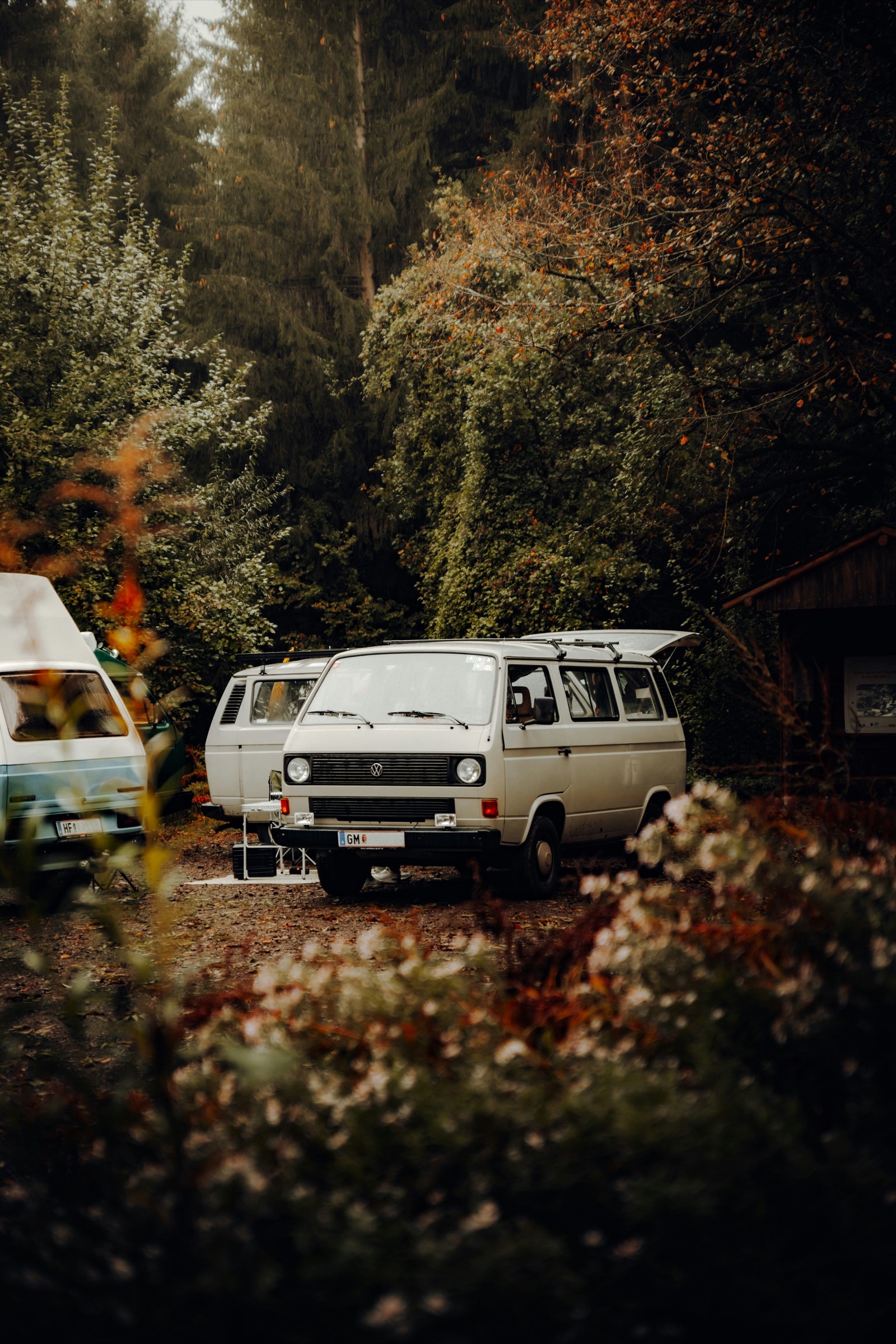
![A van parked on a clifftop overlooking the Giant's Causeway]
Image placeholders are intended for future visual content. Replace with original photographs that reflect the described settings.
Related reading: "A Journey Through the Scottish Highlands in Autumn: A Van Life Adventure" • "Autumn Van Life in the UK: A Seasonal Survival Guide" • "Beginner's Checklist: 10 Must-Have Van Life Essentials for Newbies"