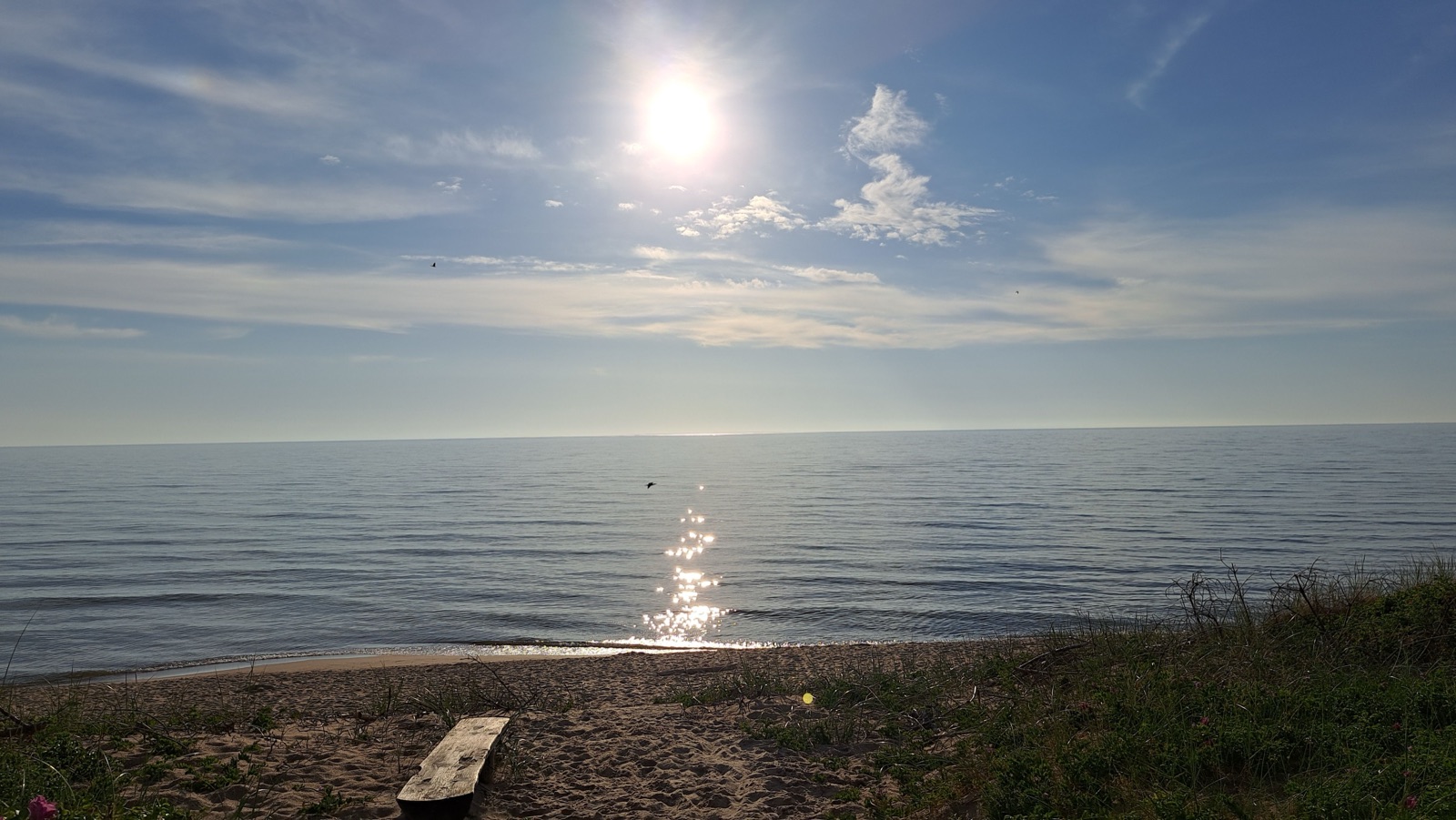
![A van parked on a pebble beach at low tide, with a basket of freshly gathered seaweed and shellfish]
Van life and the coast are a natural pairing. The ever‑changing shoreline offers free, nutritious ingredients if you know where, when and how to look. This guide walks you through the four major foraging seasons, the legal framework, sustainable collection methods, and simple recipes you can whip up on your van’s stove. Whether you’re cruising the Cornish cliffs, North Sea estuaries, or the Irish Sea shorelines, you’ll learn how to turn a tide‑watch into a tasty, low‑cost supplement to your road‑trip pantry.
1. Understanding the Legal Landscape
1.1 Permission & Land Rights
- Public waterways (tidal rivers, estuaries, and the sea itself) are open access for shellfish gathering, but you must respect private land boundaries.
- Foraging codes: Follow the Countryside Code – take only what you need, leave no trace, and never disturb breeding sites.
- Special Sites: Areas designated Site of Special Scientific Interest (SSSI) often prohibit certain species (e.g., certain seaweeds). Check local Natural England or Natural Resources Wales notices before you start.
1.2 Shellfish Regulations
- Harvest limits: The Marine Conservation Society recommends a maximum of 1 kg per person per day for most edible bivalves.
- Seasonal closures: Mussels and oysters have closed seasons (typically April–July to protect spawning).
- Health checks: Only collect from clean waters; after heavy rain, wait 24 hours before harvesting. Use a water quality test kit (available at most outdoor stores) or look up the latest E. coli levels on the Bath and Camelford water quality portals.
1.3 Seaweed & Plant Harvesting
- Edible species (e.g., Laminaria digitata, Ulva lactuca, Palmaria palmata) are protected by the Harvesting of Wild Plants Act 1976. You may collect up to 250 g per species per day for personal use.
- Sustainable practice: Cut no more than 10 % of any visible patch; leave at least 5 % of the blades intact.
2. Seasonal Overview & Target Species
| Season | Typical Tides | Key Species | Where to Find |
|---|---|---|---|
| Spring (Mar‑May) | Low spring tides expose large rock pools | Mussels, Littleneck Clams, Sea Lettuce (Ulva) | Exposed rock shelves near estuaries (e.g., Murlough Bay, Barmouth) |
| Summer (Jun‑Aug) | Mid‑high tides, warm water | Wakai (Wakame), Kombu (Saccharina), Samphire | Sandy beaches at low tide, especially on the East Coast (e.g., North Norfolk) |
| Autumn (Sep‑Nov) | Large range tides, cooler water | Oarweed (Laminaria digitata), Dulse (Palmaria palmata) | Rocky coves with kelp forests (e.g., St Aubyn’s, Porthcurno) |
| Winter (Dec‑Feb) | High tides, storm‑driven swells | Bladderwrack (Fucus vesiculosus), Nori (Porphyra) | Sheltered bays with smooth rock surfaces; often after a storm when fresh beds are exposed |
Tide reading tip: Use the UK Hydrographic Office tide tables (online) and subtract 1 hour to plan your foraging window – most intertidal zones are safely accessible for only 30‑45 minutes around low tide.
3. Gear Essentials
| Item | Why It Matters | UK‑Specific Recommendation |
|---|---|---|
| Water‑proof boots | Stays dry on slippery rocks | Wellies with non‑slip soles; avoid rubber soles that melt on hot sand |
| Fine‑mesh bag | Allows water to drain, keeps catches separate | 5 L dry‑bag or fine‑mesh fish bag |
| Sharp scissors / seaweed knife | Clean cuts prevent bruising & promote regrowth | Stainless steel with a folding safety lock |
| Portable water‑filter | Removes sand & silt from shellfish | Sawyer Mini or LifeStraw – use after rinsing |
| Temperature‑safe container | Keeps harvested food cool until cooking | Insulated soft‑sided cooler (≤10 L) with ice packs |
| Notebook & pH strip | Record what you collect & check water acidity | Quick‑dip strips (available at garden centres) |
4. Harvesting Techniques – Step by Step
4.1 Collecting Shellfish
- Identify the bed – Look for clusters of Mytilus edulis (blue mussel) on rock faces; they often sit under seaweed.
- Detach gently – Use the scissors to cut the byssal threads; avoid pulling which can damage the whole colony.
- Rinse in seawater, then place in the mesh bag.
- Purge sand – Submerge in cold seawater for 30 minutes, swish gently, repeat until water runs clear.
- Store chilled – Transfer to the cooler with ice packs; consume within 2 days.
4.2 Seaweed Harvesting
- Select healthy fronds – Look for bright colour, firm texture; avoid yellowing or torn leaves.
- Cut the holdfast – Snip at the base, leave a small portion to regrow.
- Rinse in fresh seawater to remove sand and epiphytic organisms.
- Blanch briefly (optional) to reduce salt; store in the cooler.
4.3 Wild Herbs Along the Coast
- Sea thrift (Armeria maritima) – Add sprigs to salads for a mild, onion‑like bite.
- Wild garlic (Allium ursinum) – Found in damp, shady woods near dunes; use sparingly in pesto.
- Common sea aster (Aster sammonicus) – Collect leaves for a mildly salty garnish.
5. Sustainable Practices & When to Stop
- Never over‑harvest – Stick to the 10 % rule: take only a tenth of what you see in any given patch.
- Leave reproductive stands – Avoid harvesting from areas dense with potential spores; those are vital for future generations.
- Avoid polluted zones – Stay clear of outfall pipes, busy marinas, and areas with visible oil sheen.
- Monitor tide safety – Set an alarm on your phone for 30 minutes before high tide; never gamble on being trapped on a sandbank.
6. Simple Van‑Life Recipes
6.1 Seaweed & Shellfish Chowder (Serves 2)
Ingredients
- 200 g fresh Mussels (or clams)
- 30 g dried Dulse (re‑hydrated in cold water for 5 minutes)
- 1 L vegetable stock (vegetarian)
- ½ onion, diced
- 1 clove garlic, minced
- 200 ml oat milk (to keep it dairy‑free)
- 1 tbsp olive oil
- Pinch of black pepper, dried thyme
Method
- Heat oil in a pot, sauté onion & garlic until translucent.
- Add stock and bring to a gentle boil.
- Add mussels, cover, and cook for 5 minutes until they open.
- Toss in dulse, oat milk, and herbs; simmer 3 minutes.
- Season, ladle into bowls, and enjoy the sea‑kissed broth.
6.2 Crispy Seaweed Snacks
Ingredients
- 10 g Laminaria strips (or any edible kelp)
- 1 tsp sesame oil
- ½ tsp sea salt
- Optional: pinch of smoked paprika
Method
- Rinse seaweed, pat dry.
- Toss with oil and salt, spread on a baking tray.
- Bake at 150 °C for 10‑12 minutes, or until crisp.
- Cool – they keep for a week in a sealed bag.
7. FAQ – Quick Answers for the Road
Q: Do I need a permit to collect seaweed?
A: Only SSSIs and protected habitats require a permit; otherwise, personal collection for non‑commercial use is allowed under the Harvesting of Wild Plants Act.
Q: How can I be sure my shellfish are safe?
A:* Check local water‑quality reports; if in doubt, boil for at least 5 minutes before eating.
Q: Can I sell my foraged goods?
A:* Selling foraged shellfish requires registration with the Food Standards Agency and must meet hygiene standards. For casual personal use, no licence is needed.
Q: What if I’m caught in a sudden tide?
A:* Carry a compact waterproof whistle and a personal flotation device (PFD); always inform someone of your planned tides.
8. Closing Thought
Coastal foraging blends practicality with the quiet joy of the tide. With a modest bag, a cautious eye on tides, and a small kit of tools, you can turn a quiet shoreline stretch into a pantry refill—all while respecting the fragile ecosystems that make UK shores so special. Pack your basket, chart your tide, and let the sea feed you on the road.
If you’ve discovered a hidden foraging spot or have a favourite recipe, post it on the VanLifeUK Forum and keep the cycle of knowledge rolling!
Related reading: "A Journey Through the Scottish Highlands in Autumn: A Van Life Adventure" • "Autumn Van Life in the UK: A Seasonal Survival Guide" • "Beginner's Checklist: 10 Must-Have Van Life Essentials for Newbies"