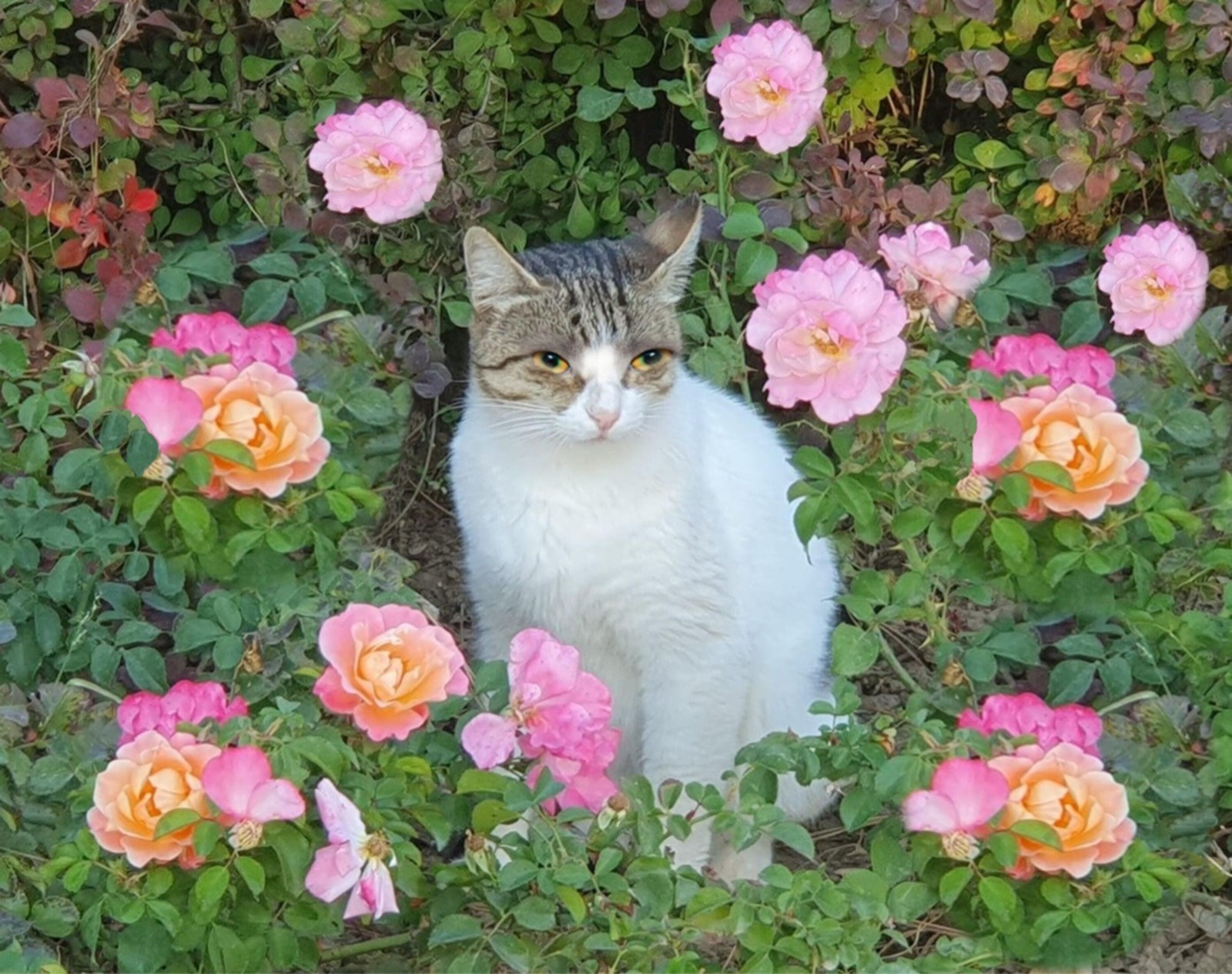
By a UK van life writer who has experienced the renewal of spring on the road.
Introduction: Embracing the Season of Renewal
Spring in the UK is a time of transformation. As the days grow longer and the weather warms, the countryside bursts into life with blooming flowers, newborn animals, and vibrant greenery. For van lifers, it’s a season of opportunity—perfect for exploring without the summer crowds. However, spring also brings its own set of challenges, from unpredictable weather to increased wildlife activity. In this guide, I’ll share practical advice for making the most of spring van life, ensuring you stay safe, comfortable, and inspired.
Weather Preparation
Understanding Spring Weather
- Variable conditions: Spring can bring sunshine, rain, wind, and even frost in higher altitudes. Always check the forecast before heading out.
- Temperature fluctuations: Days can be warm (15‑20 °C), but nights remain cool (5‑10 °C). Pack layers to adapt.
- Rainfall: Spring showers are common, so waterproof gear is essential.
Essential Gear
- Waterproof jacket and trousers: Invest in a good quality set. Look for breathable fabrics like Gore‑Tex.
- Thermal layers: Pack thermal tops and bottoms for layering on cooler days.
- Sturdy boots: Waterproof and insulated boots are a must for exploring muddy trails.
- Umbrella: A compact, wind‑proof umbrella is useful for sudden showers.
- Sun protection: Don’t forget sunscreen and a hat for sunny days.
Van Preparation
- Check seals: Ensure all windows and doors are properly sealed to prevent drafts.
- Tyre pressure: Check tyre pressure regularly, as temperature changes can affect it.
- Heating system: Test your heating system before the cold sets in. Make sure it’s working efficiently.
- Ventilation: Ensure proper ventilation to prevent condensation buildup.
- Battery care: Spring temperatures can affect battery performance. Check your leisure battery and ensure it’s fully charged.
Activities and Exploration
Wildlife Watching
- Bird migration: Spring is a great time to see migratory birds returning. Visit RSPB reserves like Minsmere or Titchwell.
- Newborn animals: Look for lambs, calves, and foals in fields. Many farms offer guided tours.
- Seal pups: Coastal areas like St Ives and Stromness are home to seal colonies.
Foraging
- Wild garlic: Abundant in woodlands. Use it to make pesto or add to soups.
- Mushrooms: Learn to identify edible varieties (always go with an expert).
- Nettle: Young nettle leaves can be used to make tea or soup.
Spring Festivals
- Easter events: Many towns host Easter egg hunts and fairs.
- Flower shows: Visit gardens like Kew Gardens or Sissinghurst for stunning displays.
- Agricultural shows: Experience local culture and sample regional produce.
Hiking and Cycling
- Bluebell woods: Explore ancient woodlands carpeted with bluebells (peak season April‑May).
- Waterfalls: Spring melt means waterfalls are at their most impressive. Try Ingleton Waterfalls Trail.
- Coastal paths: Enjoy the spring flowers along the South West Coast Path.
Safety Considerations
Driving
- Wet leaves: Be cautious on country lanes—wet leaves can be as slippery as ice.
- Fog: Spring mornings can be foggy. Use fog lights and drive slowly.
- Shorter days: Plan your journeys to avoid driving in the dark.
Weather
- Storms: Spring can bring strong winds and heavy rain. Secure your van and avoid parking under trees.
- Frost: Clear frost from windows before driving. Use a de‑icer or a scraper.
Health
- Allergies: Spring pollen can trigger allergies. Carry antihistamines and a nasal spray.
- Hypothermia: Know the signs and how to treat it. Stay dry and warm.
- Ticks: Wear long trousers and use insect repellent when walking in grassy areas. Check yourself and pets regularly.
Campsite and Parking Tips
Campsites
- Book in advance: Spring is a popular time for camping, so book early.
- Look for electric hook‑ups: Useful for heating and charging devices.
- Check for facilities: Some campsites close in spring, so verify availability.
Wild Camping
- Scotland: You have a statutory right to camp on unenclosed land, but be respectful.
- England & Wales: No general right, but you can camp responsibly on open countryside where it’s obvious the land is unowned. Always follow the Countryside Code.
- Northern Ireland: Stricter rules apply—seek permission when possible.
Overnight Parking
- Service stations: Many motorway service stations allow overnight parking for a fee.
- Pub car parks: Some pubs allow overnight stays in return for buying a meal or drink. Always ask permission first.
- Lay‑bys: In some areas, overnight parking in lay‑bys is tolerated, but check local signs and regulations.
Budgeting for Spring
Fuel
- Plan efficient routes: Use apps like Google Maps to avoid traffic and reduce fuel consumption.
- Combine trips: Group errands to minimise driving.
Food
- Seasonal produce: Buy local, seasonal fruits and vegetables—they’re cheaper and tastier.
- Preserve food: Make jams, chutneys, and pickles to enjoy summer flavours all year round.
Activities
- Free events: Look for local festivals, markets, and guided walks.
- National Trust: Membership gives you access to hundreds of properties and discounts on events.
Maintenance and Upkeep
Spring Cleaning
- Deep clean your van: After winter, give your van a thorough clean inside and out.
- Check for damp: Inspect for any signs of damp or mould that may have developed over winter.
- Service your van: If you didn’t service it over winter, now is a good time. Check brakes, tyres, and all fluid levels.
Equipment Checks
- Water system: Drain and clean your water tanks. Check for any leaks or damage.
- Gas system: Inspect gas hoses and connections. Ensure your gas bottles are full.
- Electrical system: Check your leisure battery and solar panels. Clean solar panels to maximise efficiency.
Preparing for Summer
- Stock up on summer essentials: While it’s still spring, start thinking about summer. Buy items like insect repellent, sunscreen, and extra water storage.
- Plan your route: If you have summer destinations in mind, start planning your route and booking campsites, as popular spots fill up quickly.
Conclusion – Enjoying the Fresh Start
Spring is a wonderful time for van life in the UK. The landscape awakens, the weather is generally kind, and there’s a sense of optimism in the air. By preparing properly—checking your van, packing the right gear, and staying safe—you can fully embrace the season’s beauty and freedom.
Whether you’re hiking through bluebell woods, watching lambs in the fields, or simply enjoying a cup of tea in the spring sunshine, van life in spring offers a unique connection to nature and a fresh start after winter.
So, pack your bags, check your van, and hit the road. Spring is waiting.
Happy travels, and may your spring adventures be filled with sunshine and new discoveries.
![A van parked in a field of bluebells during spring]
Image placeholders are intended for future visual content. Replace with original photographs that reflect the described settings.
Related reading: "Winter Van Life in the UK: A Seasonal Survival Guide" • "Autumn Van Life in the UK: A Seasonal Survival Guide" • "Beginner's Checklist: 10 Must-Have Van Life Essentials for Newbies"