Introduction
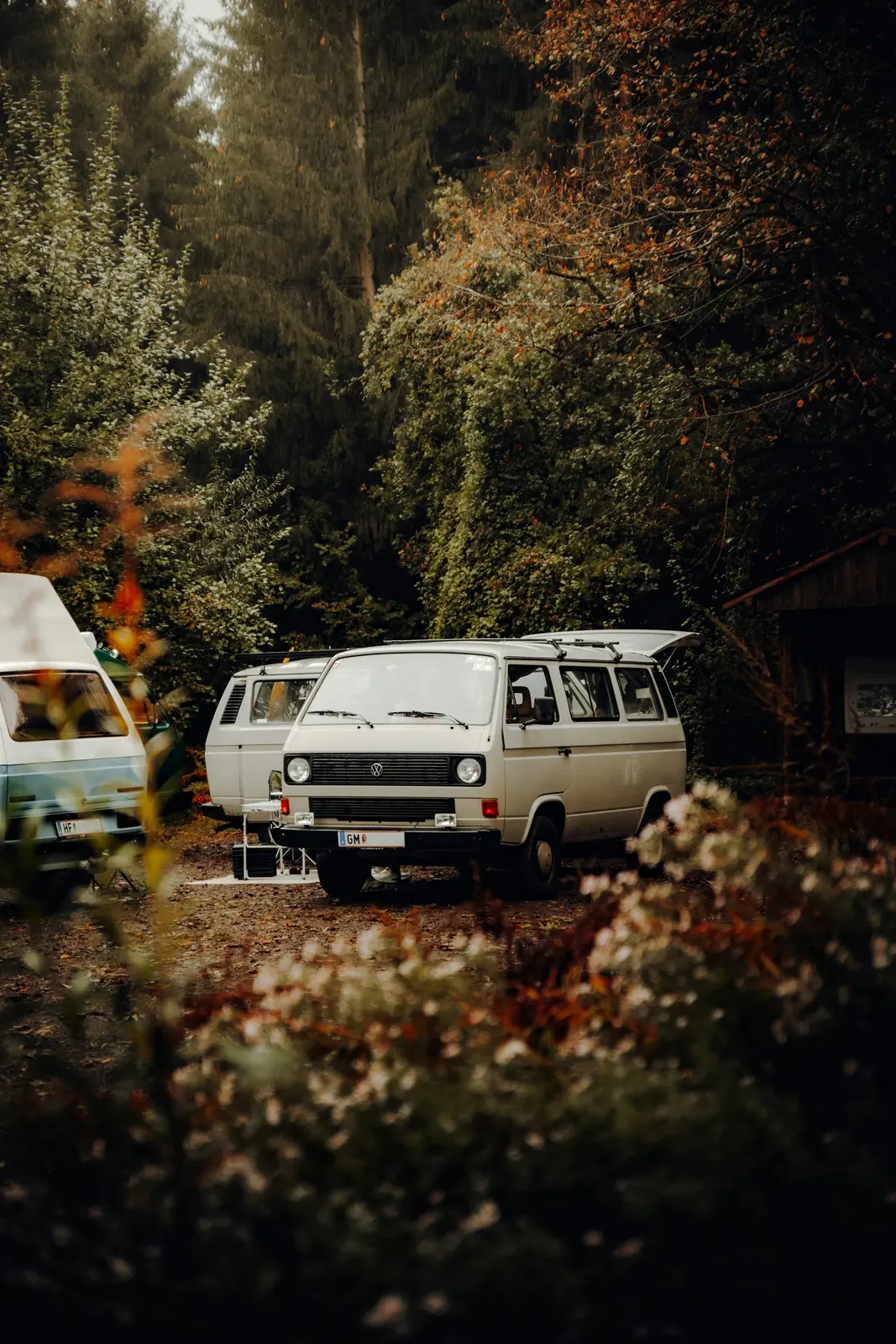
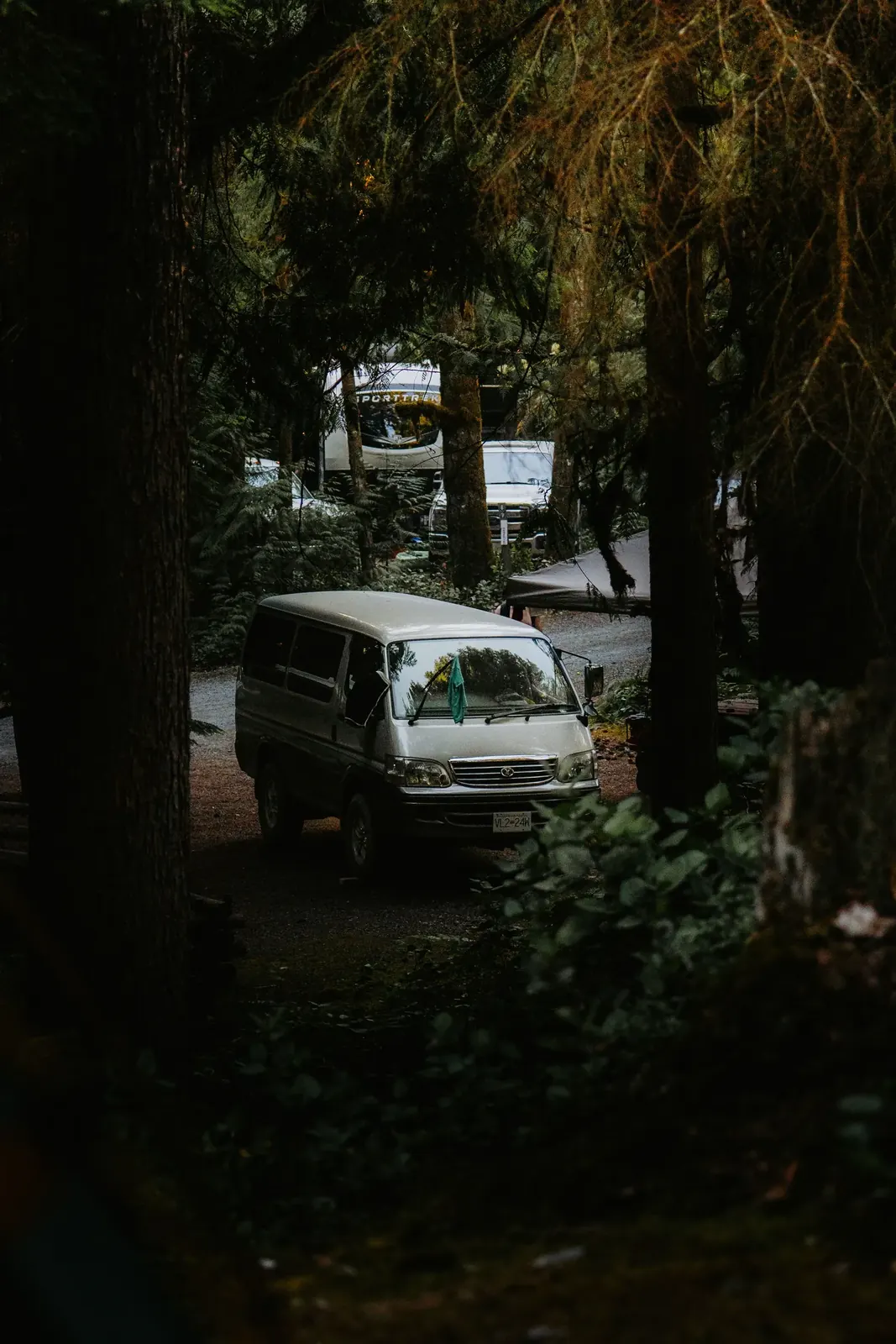
Stay the Night lets self-contained campervans and motorhomes park overnight in selected forest car parks across Scotland. It started as a summer trial and has grown into a year-round scheme — the single best, most reliable network of legal wild-style stopovers in the UK.
This guide covers everything you need to know: the price, the rules, how the booking works, the best sites, and how to plan a tour around it.
How Stay the Night Works
The Basics
- Where: selected Forestry and Land Scotland forest car parks (participating destinations are published on the FLS website)
- When: year-round, though fewer sites are open during winter
- Cost: £10 per night at most sites; £13 at sites with chemical waste disposal
- Duration: one night only, between 6 pm and 10 am
- Payment: first come, first served, paid on arrival using RingGo — there's no online booking and spaces can't be reserved
Who Can Use It
Stay the Night is for self-contained vehicles with accommodation and toilet facilities:
- Self-contained motorhomes
- Campervans with a toilet
It's not for tents or pop-up setups without facilities, and it's not for sleeping in a normal car. The scheme exists to give responsible, equipped travellers a legal place to stay — in return, you leave nothing behind.
The £13 Sites
Most sites cost £10. Four sites with chemical waste disposal facilities cost £13:
- Achnabreac (Argyll)
- Strone Hill (Argyll)
- Bridge of Orchy (on the West Highland Way, a classic stop)
- Glen Lochy — the £13 fee here includes use of the Strone Hill or Bridge of Orchy chemical waste points
The Rules You Must Follow
Stay the Night is a privilege, not a right, and the rules are designed to keep it that way:
- One night only — you can't stay two consecutive nights at the same car park
- 6 pm to 10 am — you can't arrive early or stay late
- 48-hour rule — you must not return to the same car park for an overnight stay within 48 hours
- Quiet hours 10 pm to 7 am — keep noise down, no generators late at night
- Leave no trace — take all your waste with you; the participating sites are not serviced for heavy use
- Check the list — participating sites change through the year, especially over winter, and some may close temporarily for forestry operations
The golden rule for anyone using Stay the Night: treat every car park like a campsite warden is watching. The scheme is only sustainable if visitors are genuinely self-contained and genuinely clean.
Vehicle Size Limits
Most participating car parks are designed for campervans and motorhomes of up to about 7 metres. Nine participating car parks are suitable for large vehicles (over 7 metres) and caravans — but at these sites caravans take up two spaces and capacity is limited.
Check the specific car park's details before travelling. Turning up at a small forest car park with a 9-metre coachbuilt motorhome is the fastest way to annoy everyone and undermine the scheme.
The Best Sites to Plan Around
The Stay the Night network is spread across Scotland's forests, and several sites are genuinely special:
- Bridge of Orchy — a classic Highlands stop at the foot of the West Highland Way, surrounded by mountains and minutes from some of Scotland's most dramatic scenery. The £13 site with chemical waste is worth it
- Achnabreac — in the heart of Argyll's forests, quiet and remote
- Strone Hill — a proper forest setting near Loch Fyne, with the bonus of waste disposal
- Glen Lochy — the site that includes access to neighbouring waste points, set in a gorgeous glen on the road north
Forests near the NC500 and the West Coast are always in demand during summer — arrive early (but never before 6 pm) and have a backup plan, because first-come-first-served means the good spots fill fast.
How to Use It With Wild Camping
Stay the Night is the perfect complement to Scotland's famous wild camping rights. The combination gives you the best of both worlds:
- Wild camping (under the Land Reform (Scotland) Act 2003) for tent-based stays on unenclosed land — a legal right, with restrictions
- Stay the Night for the van — when you need the security of a designated spot, a chemical waste point, or a guarantee that you're parked legally overnight
Many van lifers run a rotation: a couple of nights in a forest car park, a couple of nights at a spot where they have landowner permission or a tolerated location, and a campsite every few days for showers and services.
Final Thoughts
Stay the Night is the model for what overnight van life could look like across the UK: cheap, simple, legal, and built around responsible travellers. It's been running for years precisely because it works — and Scotland's forest stopovers are a huge part of why so many van lifers plan their tours north.
Know the rules, carry the RingGo app, and treat every forest car park better than you found it. Scotland's forests are the best overnight network in the UK — keep it that way.
You Might Also Like
- Forestry England Campervan Stopovers 2026: The Forest Campervan Road Trip
- UK Campervan Overnight Parking Bans 2026: What's Changing and Where to Go Instead
- Wild Camping in a Campervan in the UK: The Real Rules
- Wild Camping Scotland: The Complete Guide for Van Lifers
- How to Start Van Life UK: The Complete Beginner's Guide