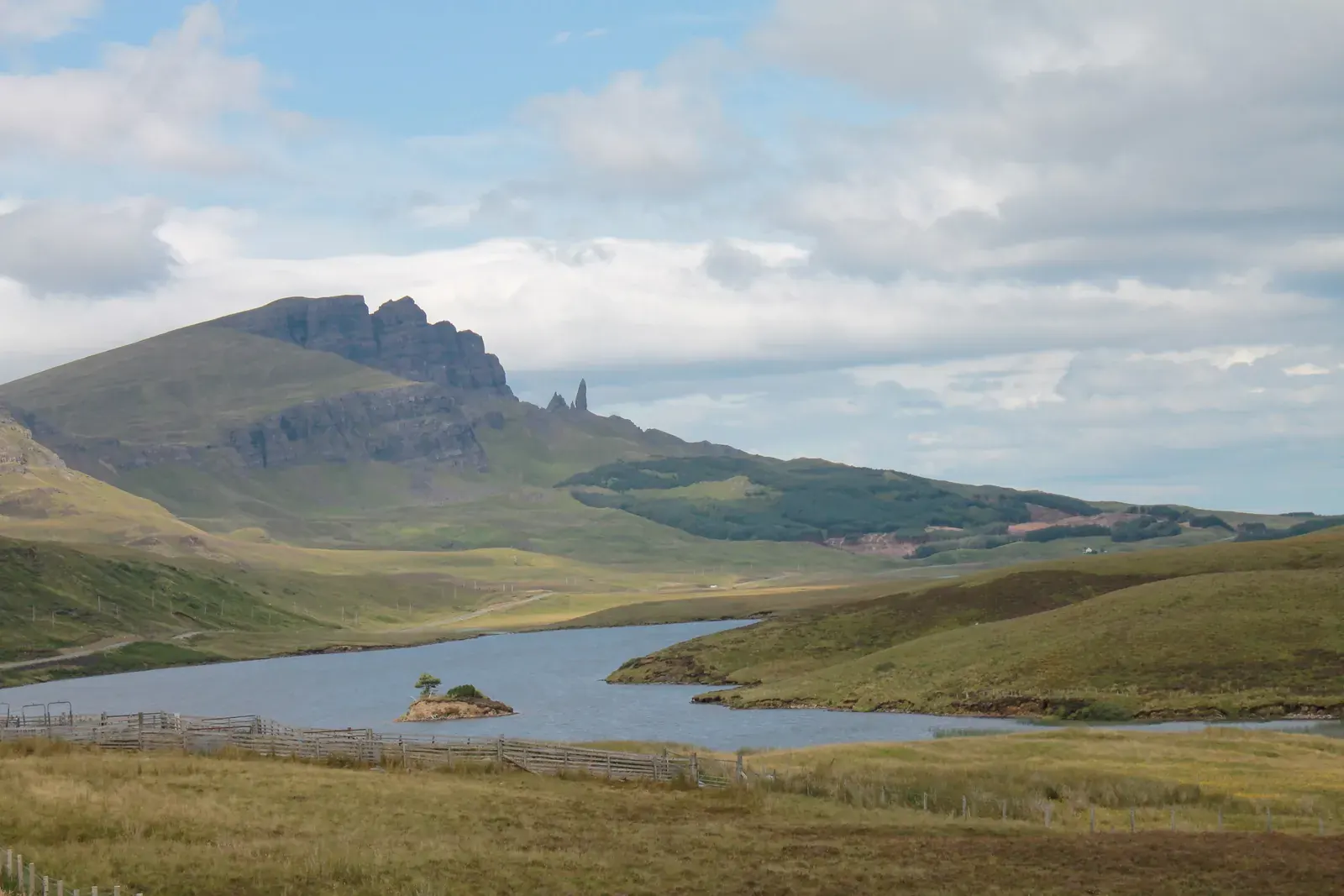
A campervan trip involving woodland, long grass or outdoor activities is a good reason to build tick checks into the day. Ticks occur across the UK, and bites are not always painful. You do not have to notice a bite at the time for a later tick check to matter.
Reduce contact with ticks
UKHSA's current tick advice recommends using clearly defined paths, covering exposed skin and wearing light-coloured clothing that makes ticks easier to spot. Use an appropriate insect repellent according to its manufacturer's instructions, including any age restrictions and directions for application.
Make the precautions fit your activity. Keep suitable clothing and removal equipment accessible before the walk rather than buried underneath the bed. Repellent or clothing reduces exposure; neither is a reason to skip checks afterwards.
Check after being outdoors
Look and feel over your skin and check clothing. UKHSA identifies areas such as skin folds, behind the knees, around the waistband, neck and hairline as important places to examine. Help children with checks appropriate to their age. More than one tick can be attached.
Add the check to an existing routine such as changing after a walk. In a small van, arrange enough light and privacy to examine yourself properly instead of relying on a quick glance at exposed ankles. Ask a vet about suitable tick precautions for pets; human repellent instructions are not animal-treatment instructions.
Remove an attached tick promptly
Follow the NHS Lyme disease guidance: use fine-tipped tweezers or a tick-removal tool, grasp close to the skin and pull upwards slowly without squeezing or crushing the tick. Clean the bite with antiseptic or soap and water afterwards. Consult the linked guidance or a healthcare professional if you need help.
Do not postpone removal simply because you are travelling to the next campsite. Keep the relevant instructions available offline along with the equipment you intend to use.
Know when to seek medical advice
The NHS advises urgent medical advice if, after a tick bite or possible exposure within the previous three months, you develop flu-like symptoms or a round or oval rash. Contact a GP or the relevant urgent service where you are staying: 111 services in England, Scotland or Wales, or a local GP or GP out-of-hours service in Northern Ireland. Tell the clinician about relevant outdoor activity and where it took place. Do not wait for every possible symptom or use this guide to diagnose yourself.
The UKHSA awareness toolkit provides further public information. Recording the date and location of a known bite can help you describe the history if you later need advice; sending a tick for surveillance is not a substitute for medical assessment.
Sources checked on 25 October 2026. This is general trip preparation and signposting to current health guidance, not individual diagnosis or treatment advice.