Pro Tips from Real Van Lifers
- Always keep a spare key fob for your van's doors and locks
- Invest in a good quality multi-tool — it's the most used item in any van
- Label everything with masking tape during build, then permanent markers later
- Keep a small first aid kit accessible, not buried in storage
- Have a backup power source (portable battery) for phone navigation
- Keep wet wipes and a small towel in the glove box for quick cleanups
- Use door wedge chocks on uneven ground for extra stability
- Keep a small dictionary of local Welsh/Cornish words if traveling to those regions
Seasonal Considerations for UK Van Life
Spring (March-May): Great time for wild camping as days get longer. Still possible to get rain — keep waterproofing gear handy.
Summer (June-August): Peak season — campsites fill fast. Can get very warm in vans — invest in roof vents and fans. Late sunset (10pm) means more light for exploring.
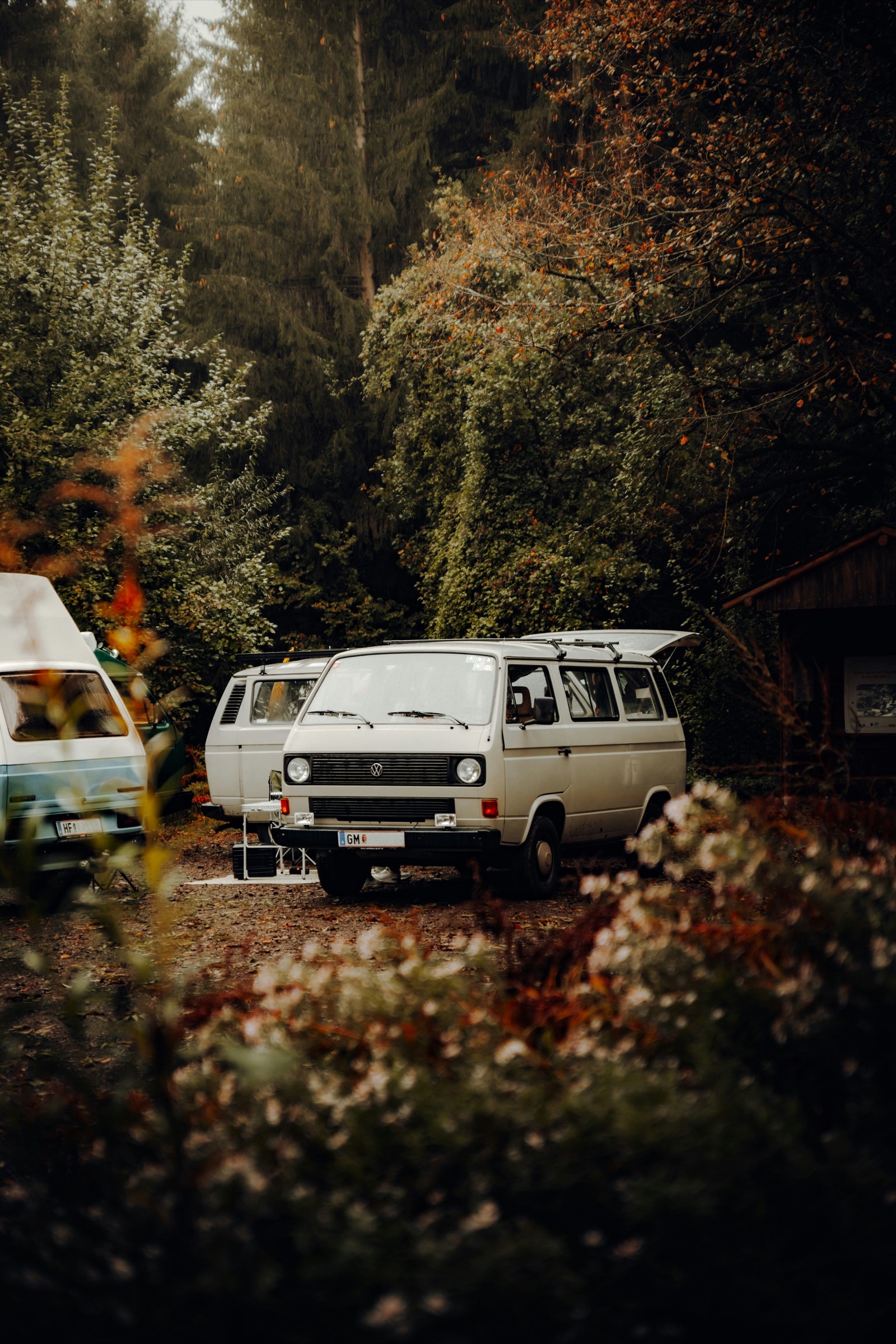
Autumn (September-November): Fewer crowds, great for solitary camping. Leaves fall making single-track roads slippery.
Winter (December-February): Shortest days (sun sets by 4pm in December). Condensation management is critical — vent windows slightly. Keep de-icer in the glove box.
Pro Tips from Real Van Lifers
- Always keep a spare key fob for your van's doors and locks
- Invest in a good quality multi-tool — it's the most used item in any van
- Label everything with masking tape during build, then permanent markers later
- Keep a small first aid kit accessible, not buried in storage
- Have a backup power source (portable battery) for phone navigation
- Keep wet wipes and a small towel in the glove box for quick cleanups
- Use door wedge chocks on uneven ground for extra stability
- Keep a small dictionary of local Welsh/Cornish words if traveling to those regions
Seasonal Considerations for UK Van Life
Spring (March-May): Great time for wild camping as days get longer. Still possible to get rain — keep waterproofing gear handy.
Summer (June-August): Peak season — campsites fill fast. Can get very warm in vans — invest in roof vents and fans. Late sunset (10pm) means more light for exploring.
Autumn (September-November): Fewer crowds, great for solitary camping. Leaves fall making single-track roads slippery.
Winter (December-February): Shortest days (sun sets by 4pm in December). Condensation management is critical — vent windows slightly. Keep de-icer in the glove box.
By a UK van life writer who has winter‑proofed multiple conversions.
1. Upgrade to 50 mm Floor Insulation
Why: The floor loses the most heat.
How: Cut high‑density foam board to fit, seal edges with spray adhesive, then cover with a reflective foil barrier.
Cost: £150‑£200 for materials.
2. Install a Diesel Water Heater
Why: Provides consistent, efficient heat even when parked for days.
How: Fit a Webasto or Eberspacher unit using existing coolant loops; connect to a thermostat.
Cost: £1,200‑£1,800 (including professional fitting).
3. Add Reflective Window Film
Why: Cuts solar gain and UV damage.
How: Apply a UK‑certified UV‑reflective film to interior glass.
Cost: £40‑£80.
4. Install a 12 V Thermal Curtain Set
Why: Adds an extra layer of insulation and blocks morning chill.
How: Sew or purchase magnetic blackout curtains that attach to the van’s metal frame.
Cost: £30‑£60.
5. Fit a Secondary Battery Isolator
Why: Prevents accidental drain of the starter battery while charging auxiliary systems.
How: Wire a DC‑DC isolator between the alternator and leisure battery.
Cost: £60‑£120.
6. Seal Roof Vents with Silicone Gaskets
Why: Stops cold drafts and rain ingress during winter storms.
How: Apply a thin bead of marine‑grade silicone around vent openings.
Cost: £5‑£10.
7. Upgrade to a 300 W Solar Panel
Why: Increases daily power generation on shorter winter days.
How: Mount a 300 W monocrystalline panel on the roof with a waterproof seal.
Cost: £150‑£250 plus a charge controller.
8. Install a Compact Propane Heater with Ventilation Kit
Why: Provides backup heat when diesel heater fails.
How: Use a certified LPG heater with a dedicated vent hose that exits the van’s side wall.
Cost: £120‑£180.
9. Add a Portable 50 L Water Heater
Why: Heated water is a luxury in winter showers and dishwashing.
How: Plug a 12 V immersion heater into the leisure battery; a small water tank holds 50 L.
Cost: £40‑£70.
10. Fit a Wind‑Proof External Awning
Why: Creates a sheltered space for cooking and sitting, reducing heat loss from the van.
How: Choose a lightweight 2‑person awning with integrated wind straps.
Cost: £80‑£130.
These mods dramatically improve comfort and safety during the UK’s chilly winter months, letting you enjoy the freedom of van life without sacrificing warmth or efficiency.
Related reading: "A Journey Through the Scottish Highlands in Autumn: A Van Life Adventure" • "Autumn Van Life in the UK: A Seasonal Survival Guide" • "Beginner's Checklist: 10 Must-Have Van Life Essentials for Newbies"