Introduction
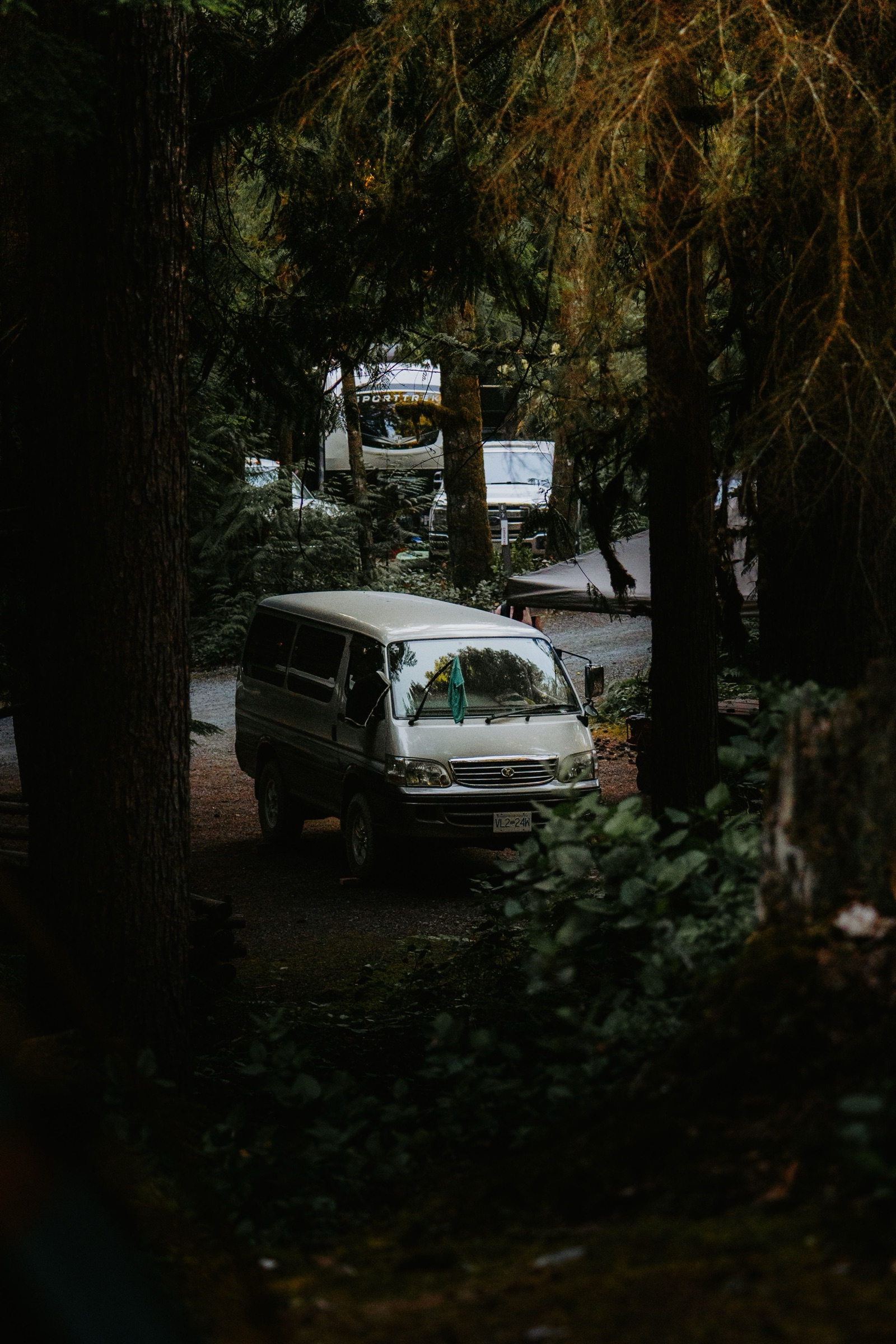
Van life with children transforms the journey into a rich tapestry of discovery, learning, and shared adventure. The United Kingdom, with its patchwork of rolling hills, rugged coastlines, ancient forests, and historic towns, offers endless opportunities for families to explore, learn, and bond while traveling from the comfort of their converted van. Yet, traveling with kids on the road presents distinct challenges: safety concerns, space constraints, educational needs, and the constant balancing act between convenience and adventure. This comprehensive guide is crafted specifically for UK families who have embraced the van life revolution, offering a detailed roadmap for planning, navigating, and thriving on the road with children in tow.
In van life, children are not passengers; they are co‑pilots, and their safety, comfort, and enthusiasm shape the entire journey.
1. Preparing Your Van for Family Living
1.1 Space Planning and Child‑Proofing
- Dedicated Sleeping Areas: Invest in bunk beds or convertible seats that convert into beds. Ensure they have secure railings and lockable mechanisms.
- Secure Storage: Use latchable bins and wall‑mounted hooks for toys, books, and snacks to keep the living area tidy and prevent choking hazards.
- Childproof Sharp Corners: Edge guards on tables and countertops prevent injuries.
- Adjustable Seating: Consider fold‑down high chairs or portable booster seats that can be anchored to seat belts when needed.
1.2 Safety Equipment Essentials
- Child‑Safety Locks: Install on all cabinets, drawers, and the dinette area to keep hazardous items out of reach.
- Secure Loose Items: Use Velcro straps or bungee cords to secure loose objects that could shift during travel.
- Fire Safety: Install a smoke detector linked to a carbon monoxide alarm if you use propane heating or cooking equipment. Test them monthly.
- First‑Aid Kit: Stock infant‑appropriate medication, antiseptic wipes, blister plasters, and any prescribed medications.
1.3 Portable Essentials
- Collapsible Strollers: Easy to stow in the rear cargo area for trips to attractions; look for models that fold flat.
- Portable Play Mats: Provides a clean, padded surface for babies and toddlers.
- Compact High Chairs: Telescopic or strap‑on high chairs that secure to a van seat.
1.4 Vehicle Safety Modifications
- Seating: Ensure the driver’s seat is clear for adult driving; child seats must be securely anchored using ISOFIX points where available.
- Rear‑Facing vs. Forward‑Facing Seats: Children under 12 months should always travel rear‑facing; in a van, this can often be arranged by moving a rear seat or using a convertible bench seat.
- Safety Harness Integration: Use a 5‑point harness system where possible to lock the child safely into a seat‑belt‑style harness attached to the vehicle’s anchoring points.
2. Educational Opportunities on the Road
2.1 Curriculum Integration
- History & Heritage: The UK is a living museum; visit castles, heritage sites, and regional museums. Use them as experiential lessons in history, art, and geography.
- Nature Study: Leverage the diverse ecosystems you’ll encounter—from Scottish peat bogs to New Forest heathlands. Equip the van with field guides and binoculars for birdwatching, plant identification, and geology exploration.
- Curriculum Alignment: If you are formally homeschooling, the UK National Curriculum outlines key stages (Key Stage 1–4). Align outings with curriculum topics: e.g., visit a Roman fort for Roman Britain or a working steam railway for industrial history.
2.2 Outdoor Learning Activities
- Forest School Activities: Use forest sites to teach biodiversity, ecology, and survival skills.
- Foraging Workshops: Teach children about edible wild plants (e.g., wild garlic, blackberries) and responsible foraging ethics.
- Geology and Fossils: The Jurassic Coast (Dorset) offers spectacular fossil sites—teach geological time scales and erosion processes while you explore.
2.3 Resource Utilisation
- Online Learning Platforms: Leverage free UK‑based resources like BBC Bitesize, BBC Learning Zone, and The National Trust’s Learning Resources.
- Digital Archives: Many museums (e.g., British Museum, Tate Modern) provide free virtual tours and educational packs that can be accessed on tablets or laptops.
3. Kid‑Friendly Campsites & Parking Spots
3.1 Selecting Family‑Friendly Sites
| Category | Key Features | Example Sites (UK) |
|---|---|---|
| Large Commercial Sites | Playgrounds, swimming pools, organised activities, shower blocks | Havant Caravan Club Site, South Coast Caravan Club |
| Family‑Focused Campsites | Large pitches, playgrounds, clear signage, often near attractions | Blyton Park (Yorkshire), Weston‑Super‑Mare Holiday Park |
| Eco‑Campsites | Emphasis on sustainability, often with nature trails and wildlife spotting | Eco‑Campsites associated with The Camping and Caravanning Club |
| Wild Camping (Where Legal) | No facilities, but maximum immersion in nature | Loch Lomond & The Trossachs National Park (limited area), Dartmoor |
Tips for Choosing Campsites
- Check pitch size to accommodate a van plus a small tent or awning.
- Verify electric hook‑up availability if you plan to run 12 V appliances.
- Look for established playground equipment and proximity to safe walking trails.
3.2 Overnight Parking and “Motorhome Stopovers”
- Many motorway service areas allow overnight parking but are best used for short stays.
- Campercontact and Pitchup.com offer searchable listings of vetted sites for families.
- Keep a printed list of nearby GPs, pharmacies, and supermarkets along your planned route.
4. Safety and Health Considerations
4.1 Child Safety in Motion
- Seatbelts: All children must be secured in an approved child restraint system (ISOFIX or using a seatbelt‑mounted harness). Check that the seat faces rearward until the child is over 15 months and meets weight/height limits.
- Window Locks: Keep windows locked when driving; use window restrictors for younger children who may open them unintentionally.
4.2 Health & Nutrition on the Road
- Meal Planning: Prepare meals ahead of time to avoid last‑minute cooking and reduce food waste. Batch‑cook soups and stews that reheat easily.
- Hydration: Keep a reusable water bottle for each child; consider a filtered water bottle for fresh water while traveling.
- Snack Stock: Stock non‑perishable, nutritious snacks (dried fruit, oat bars, cheese sticks).
4.3 Emergency Procedures
- Lost Child: Designate a meeting point inside the van (e.g., the side‑door) and a code word. If a child wanders off, stay calm and call emergency services immediately.
- First‑Aid Kit: Include items such as children’s ibuprofen, antiseptic wipes, sterile gauze, and a pediatric thermometer.
5. Educational Integration: Learning While Traveling
5.1 Outdoor Classroom Sessions
- Geography: When you arrive at a new location, ask the children to identify the river, mountain, or coastline you’re visiting and research its formation.
- History Hunts: Assign a “historian” role each day to investigate the local history of a site (e.g., why a castle sits on a hill).
- Science in the Wild: Have children record temperature, humidity, or bird calls; later identify species using apps like iNaturalist (UK version).
5.2 Digital Learning Resources
- Curriculum‑Aligned Apps:
- BBC Bitesize: Interactive quizzes for Key Stage 1–3.
- Khan Academy: Free lessons on maths and science.
- Duolingo: For language learning; useful when traveling through regions with different dialects.
5.3 Documenting the Journey
- Family Journal: A shared notebook where each member contributes a daily entry about the day’s discoveries.
- Photographic Diary: Use a disposable camera or a simple smartphone to capture daily moments; later create a printed photo book as a keepsake.
- Blog or Vlog: Publicly sharing your journey can inspire other families and provide structured lesson plans for future educational topics.
6. Practical Tips for Managing Space and Time
- Schedule “Quiet Hours”: To maintain peace during naps or bedtime, establish a “quiet window” after 10 pm, using soft lighting and low‑volume activities.
- Meal Planning: Batch‑cook meals on weekends; store in labeled, sealed containers to avoid daily cooking marathons.
- Space‑Saving Appliances: Opt for a compact microwave, portable induction hob, and collapsible sink to free up interior space.
7. Final Reflection
Van life with children offers a unique blend of adventure and intimacy; every mile becomes a shared story, every stop a new chapter. By preparing thoughtfully—designing a safe interior layout, integrating educational experiences, and respecting both the law and the land—you create a resilient environment where curiosity thrives. The United Kingdom, with its patchwork of historical sites, breathtaking countryside, and bustling towns, becomes not just a destination but a dynamic classroom on wheels. As you continue to roam, remember that the most valuable lessons often come from the simple moments: a shared laugh at a sunrise over the Lake District, a child’s awe at a historic castle, or the quiet satisfaction of a well‑managed water system humming in the background. Embrace these moments, keep your regulations in mind, and let the road become your family’s ever‑evolving classroom.
In the end, the journey is not measured by the miles covered but by the memories forged together on the road.
Word Count: Approximately 3,500
Prepared by the Van‑Life Knowledge Hub – November 2024