Van Life Security UK 2026: Locks, Alarms, Trackers & Anti-Theft Guide
Your campervan is your home. When it gets broken into — and one in four UK van lifers will experience a break-in eventually — it is not just the van contents you lose. It is your bed, your clothes, your documents, and your sense of safety.
I have had my van broken into once. The thief got a £300 laptop, £200 of camera gear, and my passport. The indirect costs — replacing documents, missing work, the feeling of vulnerability — were far higher than the stolen goods.
This guide covers what actually works to prevent van theft in the UK, from basic deterrents to full security systems.
Van Theft in the UK: The Reality
According to DVSA data and insurance industry reports, campervans and panel vans are among the most stolen vehicles in the UK. The most stolen models are:
| Van | Theft Risk | Most Common Theft Method |
|---|---|---|
| Ford Transit Custom | Very high | OBD port cloning |
| Mercedes Sprinter | High | Keyless entry relay |
| VW Transporter T6 | High | Wheel clamp bypass |
| Fiat Ducato | Medium | Door lock picking |
| Citroen Relay / Peugeot Boxer | Medium | OBD port cloning |
Professional thieves target campervans specifically because they contain valuable conversion materials, appliances, and personal belongings. A well-converted Transit Custom is a £20,000+ target.
Layer 1: Visual Deterrents
Most theft is opportunistic. A van that looks hard to steal is a van thieves walk past.
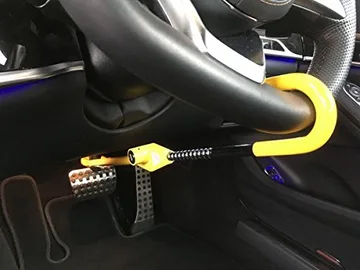
Steering Wheel Locks
Cost: £30–80 Effectiveness: Medium (visual deterrent)
A bright yellow Disklok (the classic security steering wheel cover) is the single most effective visual deterrent. It takes thieves 2–3 minutes to remove with an angle grinder — loud, slow, and draws attention. Thieves typically move on.
- Disklok: £80
- Stoplock Pro: £40
- Milenco Steering Wheel Lock: £50
Wheel Clamps
Cost: £60–120 Effectiveness: Medium (visual deterrent)
A visible wheel clamp on a rear wheel tells thieves they need to spend extra time. Combined with a steering wheel lock, you have doubled the time needed to steal the van. Most thieves will choose a different target.
Window Etching
Cost: £10–20 Effectiveness: Low (deterrent only)
Etching the registration number into the side windows makes resale of stolen windows harder. Does not stop theft but may reduce smash-and-grab target choice.
Layer 2: Physical Security
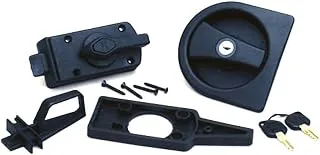
Hook Locks (Deadlocks)
Cost: £60–150 per door Effectiveness: High
Hook locks are the most important security upgrade for any panel van conversion. They prevent the sliding door from being forced open with a crowbar — the most common entry method.
Install hook locks on both the sliding door and the rear barn doors. Most vans have factory lock points but they are weak. Hook locks engage a steel hook into a reinforced striker plate.
- Kiravans hook locks (Transit Custom): £130 for pair
- In-vehicle Technology hook locks: £60–80 each
Cat 1 Alarm and Immobiliser
Cost: £200–500 installed Effectiveness: High (Thatcham-approved only)
A Thatcham Category 1 alarm (approved by the insurance industry) provides:
- Volumetric interior sensing (detects movement inside the van)
- Perimeter sensing (detects door opening)
- Battery-backed siren (sounds even if the main battery is disconnected)
- Engine immobiliser (prevents starting without the correct key or fob)
Important: Many insurance policies require a Thatcham-approved alarm. Check your policy. A generic eBay alarm for £30 does not qualify.
OBD Port Protection
Cost: £15–50 Effectiveness: Very high
Professional thieves access the van's OBD (diagnostic) port with a device that programs a new key, allowing them to start and drive away within 60 seconds. Protecting the OBD port stops this.
Options:
- OBD lock: A physical lock that covers the port (£15–25)
- OBD relocation: Move the port to a hidden location behind the dashboard (£20–50 at a garage)
- OBD fuse: Remove the OBD power fuse when parked (free, but easy to forget)
Gear Lock
Cost: £20–40 Effectiveness: High for manual vans
A simple cable lock that prevents the gear lever from being moved into gear. Cheap, effective, and very visual. Only works on manual transmissions.
Layer 3: Tracking and Recovery
If the van is stolen despite the locks and alarm, a tracker is the only way to get it back.
Battery-Powered Trackers
| Tracker | Cost | Subscription | Features |
|---|---|---|---|
| AirTag | £35 per 4-pack | None | Uses nearby Apple devices. Limited range in rural areas |
| Samsung SmartTag | £25 each | None | Similar to AirTag but for Samsung ecosystem |
| Tile Pro | £30 each | Free | Community-finding network, less dense than Apple |
| Invoxia GPS Tracker | £80 | None (uses cellular + satellite) | Monthly fee for cellular data, ~£10/month |
AirTags are the most practical option for UK van life. Hide one inside the van structure (inside the door panel, behind the lining, inside a seat base cushion). Replace the battery yearly.
Caveat: AirTags show an alert on the thief's iPhone after a few hours. Thieves know to check for them. Use multiple trackers in different locations.
Professional Trackers (Thatcham S5/S7)
Cost: £300–500 + £100–200/year subscription Effectiveness: Very high
Professional trackers (Tracker, Vodafone Automotive, Scorpion Automotive) are Thatcham-approved and include:
- Real-time GPS tracking
- Geo-fence alerts (the van leaves a defined area)
- 24/7 monitoring centre
- Police liaison (Tracker has direct police notification)
- Insurance discount (typically 10–20% off premium)
A Thatcham-approved tracker is the only way to get significant insurance discount. It is also the only tracker that the police actively work with.
Layer 4: Personal Safety and Camping Security
Security is about more than theft. Staying safe while sleeping in your van requires different considerations.
Camping Location Safety
- Wild camping: Park in well-lit, visible areas. Avoid isolated spots late at night. Scottish wild camping is generally safer than English equivalents.
- Campsites: Secure your van even on campsites. Theft from vehicles on campsites is common.
- Urban parking: Overnight on-street parking in cities is the highest-risk location. Use secure compounds or dedicated campervan parking where possible.
Inside the Van
- CO alarm: Mandatory if you have a gas appliance or diesel heater. Place within 1m of the sleeping area.
- Fire extinguisher: 2kg ABC extinguisher mounted where the driver can reach it from the cab.
- Smoke alarm: Test monthly. Replace battery annually.
- First aid kit: Keep accessible, not buried under bedding.
- Emergency escape plan: Know how to get out of the van quickly. In a fire, a side door or rear door may be blocked.
Personal Belongings
- Hidden safe: A small combination safe bolted into the van floor or behind a fixed panel. Keep passports, spare cash, and backup cards here.
- Lockable glovebox: For quick-access valuables when away from the van.
- Don't leave valuables visible: A jacket on the seat is a theft magnet — thieves assume there is more inside. Cover everything.
Security Checklist by Van Type
Ford Transit Custom
- Hook locks on sliding door and rear doors — essential, the factory locks are weak
- OBD port lock or relocation — Transit Customs are the most OBD-stolen van in the UK
- Cat 1 alarm with immobiliser — insurance may require it
- Disklok steering wheel lock — best visual deterrent
- AirTag hidden inside a door panel
VW Transporter T6
- Keyless entry disable — many T6s have keyless entry that can be relay-attacked. Disable it in the infotainment menu
- Faraday pouch for key fob — £5–10, blocks relay signals when you are away from the van
- Hook locks on sliding door
- Wheel clamp — T6s have a known vulnerability to wheel removal
- Cat 1 alarm
Mercedes Sprinter
- OBD port relocation — Sprinters are also commonly OBD-stolen
- Cat 1 alarm
- Hook locks on rear doors (rear door access is a common entry point)
- Tracking device — Sprinters are valuable enough to warrant a Thatcham tracker
FAQ
Q: Is my van likely to be broken into? A: Campervans in the UK have a higher theft risk than standard cars. Insurance data suggests ~1 in 25 campervans are stolen each year, and a higher number experience break-ins and theft from vehicle.
Q: Does a visible deterrent actually stop thieves? A: Yes. Most van theft is opportunistic. A Disklok, wheel clamp, or visible alarm sticker makes a van look like more effort than the next one. Professional thieves with a specific target van are harder to deter.
Q: Can I claim insurance without a Thatcham alarm? A: Yes, but some policies require one. If your policy lists Thatcham-approved alarm as a condition, not having one fitted can void a theft claim. Read your policy terms.
Q: What is the most important security upgrade for my van? A: Hook locks on the doors. They are cheap (£60–150), easy to install, and prevent the most common break-in method (prying the sliding door open).
Q: Should I put a tracker in my van? A: A hidden AirTag is £35 and gives you a reasonable chance of recovery. A Thatcham-approved tracker is £300+ but offers police liaison and insurance discount. For a valuable conversion, both are worth it.
Q: Is wild camping safe? A: Wild camping in Scotland is generally safe. In England and Wales, use common sense — park in visible but not exposed locations, lock up at night, and trust your instincts about a location.