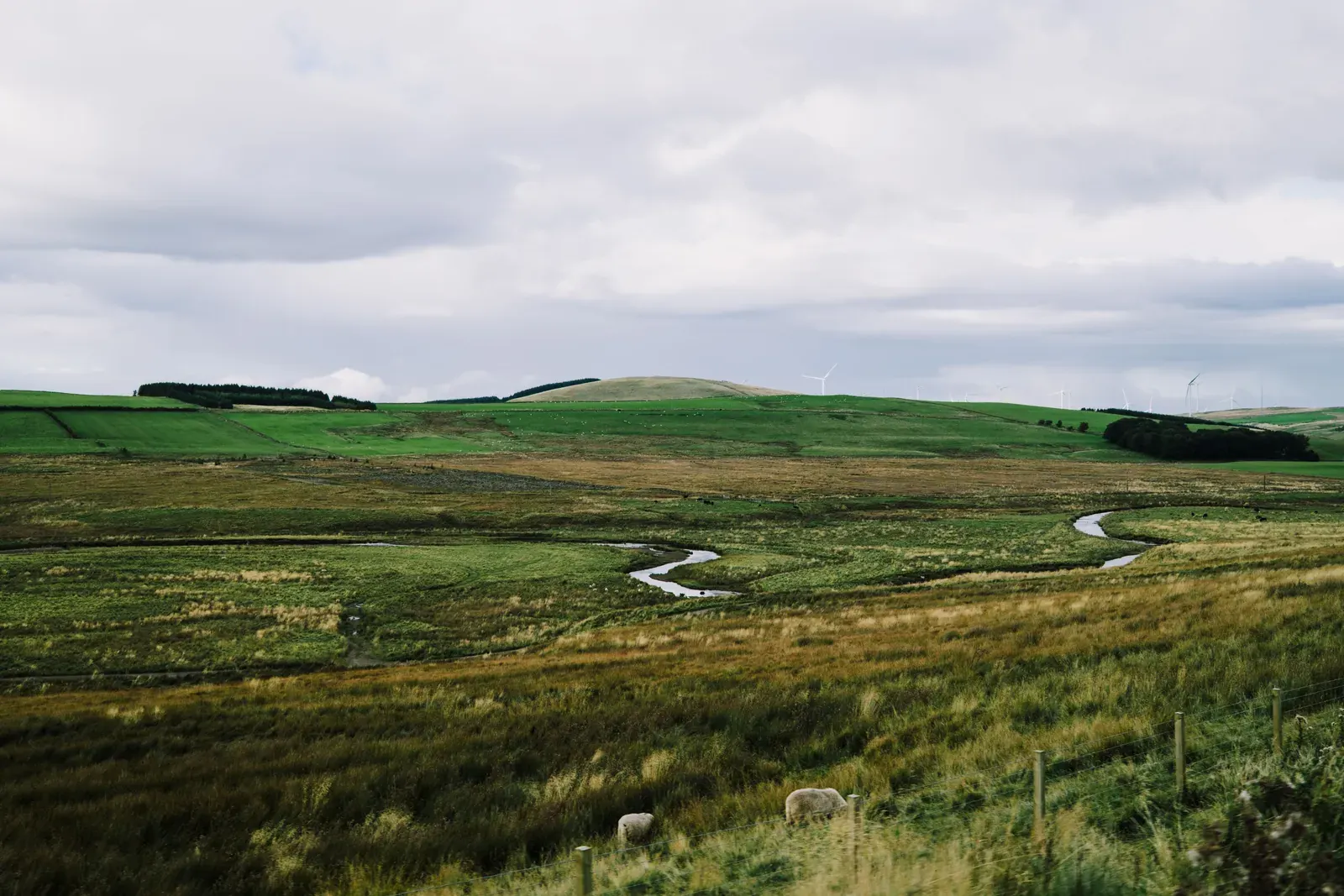
By a UK van life writer who has navigated gluten‑free, vegan, and allergy‑safe meals across the British Isles.
Introduction – The Challenge of Eating Well on the Road
Living in a van means cooking with limited space, limited storage, and often limited access to specialty grocery stores. When you add dietary restrictions—whether gluten‑free, dairy‑free, vegetarian, vegan, or allergy‑safe—the task becomes even more nuanced. You need meals that are free from certain ingredients and that can be prepared with the limited equipment a van provides.
This guide splits the problem into clear categories, then offers practical, step‑by‑step solutions that you can implement today. By the end, you’ll have a roadmap for planning, shopping, cooking, and storing food that respects your dietary needs while keeping your van life smooth and enjoyable.
1. Understanding Your Restrictions
| Restriction | Common Triggers | Typical Substitutes | Key UK Sources |
|---|---|---|---|
| Gluten‑Free | Wheat, barley, rye | Gluten‑free oats, rice flour, buckwheat | Essential (Co‑Op), Holland & Barrett |
| Dairy‑Free / Vegan | Milk, cheese, butter, whey | Plant milks (oat, almond), nut‑based cheeses | Planet Organic, The Vegan Kind |
| Vegetarian | Meat, fish | Legumes, tofu, tempeh, eggs | Tesco, Sainsbury’s |
| Vegan | All animal products | Same as vegetarian + no eggs or dairy | Same stores as vegetarian |
| Allergy‑Specific (e.g., nut‑free, soy‑free) | Specific ingredient triggers | Substitute with alternative protein or thickener | Check labels; use Free From aisles |
Why a structured approach matters:
- It prevents accidental exposure.
- It keeps your shopping list focused, reducing waste.
- It makes meal planning predictable, which is vital when you can’t pop to the shop at the last minute.
2. Planning & Shopping Strategies
2.1 Build a Restriction‑Based Master Grocery List
- Write down the exact ingredients to avoid (e.g., “wheat flour”, “cow’s milk”, “peanuts”).
- Identify safe replacements for each staple (e.g., replace wheat pasta with rice pasta).
- Mark ‘must‑have’ items (e.g., protein sources, vegetables) that you buy each week.
2.2 Stock Up at Larger Stores
- Large supermarkets (Tesco, Sainsbury’s, Asda) often have a dedicated Free‑From aisle. This is where you’ll find gluten‑free flours, dairy‑free spreads, and vegan sauces.
- Discount stores (e.g., Lidl and B&M) frequently carry affordable soy milk, oat milk, and gluten‑free pasta at lower prices.
2.3 Plan Menus Around a Weekly “Core” Recipe
- Pick 2‑3 versatile base recipes that can be tweaked:
- Hearty chili – swap any protein for lentils, chickpeas, or minced meat substitute.
- Pasta‑style sauce – use gluten‑free pasta and a tomato base; add herbs and veg.
- One‑pot stew – combine root veg, beans, and a broth; add herbs for flavor.
Use the same base for breakfast (e.g., oatmeal), lunch (wrap), and dinner (stew) – just change the sauce or topping.
2.4 Shopping List Example (Vegan, Nut‑Free)
| Item | Quantity (per month) | Source |
|---|---|---|
| Rolled oats | 1 kg | Aldi |
| Dried lentils | 500 g | Tesco |
| Gluten‑free pasta | 500 g | Sainsbury’s |
| Canned tomatoes | 4 cans (400 g) | Morrisons |
| Plant‑based milk (oat) | 2 L | Almond |
| Fresh veg (seasonal) | ~5 kg total | Local market |
| Oil (olive) | 250 ml | Tesco |
| Simple spices (salt, pepper, mixed herbs) | Small jars | Any supermarket |
3. Cooking Equipment Essentials for Restricted Diets
| Item | Reason | Approx. Cost |
|---|---|---|
| 2‑ring portable gas stove | Allows you to cook boiled water, sauté, and simmer without electricity. | £30‑£45 |
| Compact 12‑V electric kettle | For tea/coffee without using gas. | £25‑£35 |
| Small stainless‑steel pot (1 L) | For boiling water, making porridge, or cooking beans. | £15‑£20 |
| Collapsible sink basin | For washing dishes without a built‑in sink. | £10‑£15 |
| Multi‑use spatula + wooden spoon | For stirring, flipping, and serving. | £5‑£10 |
| Small refrigerator (optional) | Keeps dairy‑free spreads and fresh veggies cool. | £120‑£200 (optional) |
Tip: All of the above can be powered by a modest 150‑W solar panel and a 100‑Ah leisure battery—ideal for off‑grid cooking.
3. Meal‑Prep Recipes That Adapt to Any Restriction
Below are three “base” recipes that you can swap ingredients to suit gluten‑free, dairy‑free, vegetarian, or vegan diets. Each recipe yields 4 servings and stores well for 3‑4 days in a fridge.
3.1 Base Recipe #1: Hearty Bean‑Stew (Gluten‑Free, Vegan, Nut‑Free)
Ingredients
- 400 g dried brown lentils (or canned, drained)
- 1 large onion, diced
- 2 carrots, diced
- 2 celery sticks, sliced
- 2 garlic cloves, minced
- 1 tsp smoked paprika
- 1 tsp dried thyme
- 1 L vegetable broth (gluten‑free)
- 1 tbsp tomato paste
- Salt & pepper to taste
- Optional: 200 g chopped kale (adds iron and colour)
Method
- Heat oil in pot, sauté onion, carrots, celery for 5 min.
- Add garlic and paprika; stir 30 s.
- Add lentils, broth, tomato paste, thyme, and kale; bring to boil.
- Reduce heat, simmer 30‑40 min until lentils are tender.
- Season, serve with a side of gluten‑free flatbread or rice.
3.2 Base Recipe #2: Creamy Coconut Curry (Dairy‑Free, Vegan)
Ingredients
- 1 can (400 ml) coconut milk
- 1 cup red lentils (rinsed)
- 1 large onion, chopped
- 2 garlic cloves, minced
- 1 tsp curry powder
- 1 tbsp soy sauce (or tamari for gluten‑free)
- 1 tsp lime juice
- 1 cup mixed veg (frozen peas, carrots, peppers)
- Salt & pepper
Method
- Sauté onion & garlic 3 min.
- Add curry powder, stir 1 min.
- Add lentils, coconut milk, soy sauce, and water to cover (≈300 ml).
- Bring to boil, then simmer 20 min until lentils are soft.
- Add veg, cook 5 min more, finish with lime juice.
- Serve with rice (plain or jasmine; gluten‑free).
3.3 Base Recipe #3: Quick Breakfast Porridge (Gluten‑Free, Dairy‑Free)
Ingredients
- 1 cup gluten‑free oats (or rolled oats if you tolerate gluten)
- 2 cups water or plant milk
- 2 tbsp maple syrup or honey (vegan option: agave)
- 1 banana, sliced (optional)
- Sprinkle of chopped nuts (if nut‑free not required)
Method
- Combine oats and liquid; bring to a gentle boil.
- Reduce heat, stir occasionally for 5‑7 min until thick.
- Sweeten and top with banana or nuts.
Adaptations:
- Use soy/ oat milk for dairy‑free.
- Swap syrup for agave if vegan.
These recipes can be batch‑cooked, frozen in zip‑lock bags, and reheated on the stove or in a microwave (if you have one). They give you a rotating menu with minimal ingredient overlap.
4. Simple Shopping Lists (per dietary need)
Gluten‑Free (4‑person household, 1 month)
| Category | Items |
|---|---|
| Flours | Gluten‑free oat flour, rice flour |
| Pasta | Gluten‑free spaghetti, rice noodles |
| Bread | Gluten‑free rolls or buns |
| Snacks | Gluten‑free crackers, rice cakes |
| Extras | Gluten‑free gravy mixes, stock cubes (check labels) |
Dairy‑Free / Vegan
| Category | Items |
|---|---|
| Milk | Oat milk, soy milk, almond milk |
| Cheese | Vegan cheddar style, nutritional yeast (for cheesy flavor) |
| Yogurt | Coconut or soy yogurt |
| Butter | Vegan margarine (check for dairy) |
| Ice‑cream | Vegan ice‑cream (soy or coconut base) |
Allergy‑Specific (e.g., Nut‑Free)
| Category | Items |
|---|---|
| Milk | Oat, soy, rice milks (ensure “no nut” label) |
| Snacks | Seed‑based bars (e.g., sunflower seed) |
| Cooking oil | Sunflower or rapeseed oil (peanut‑free) |
| Margarine | Check for nut oil content |
Tip: Always read the label; even “natural” snacks can contain hidden nut traces.
5. Where to Shop in the UK
| Store Type | Best For | Typical Price Range |
|---|---|---|
| Large Supermarkets (Tesco, Sainsbury’s, Asda) | Full range of free‑from, vegan, gluten‑free | £‑££ |
| Discount Chains (Lidl, Aldi) | Budget free‑from & vegan basics | £ |
| Specialty Health Stores (Holland & Barrett, Whole Foods) | Wide range of vegan cheeses, nut‑free snacks | £‑££ |
| Farmers’ Markets | Seasonal fresh produce, direct‑sourced veg | £‑££ |
| Online Delivery (Ocado, Amazon Fresh) | Convenience, bulk buying | £‑££ |
Tip: Many supermarkets now have a “Free‑From” aisle near the main grocery aisles; make it a habit to check there first.
6. Practical Tips for Cooking in a Van
- Batch‑Cook at the Campsite – Use a communal fire pit or portable stove to prepare a large pot of stew; leftovers can be reheated for lunch.
- One‑Pot Meals – Minimize cookware; a single pot can handle stew, rice, or porridge.
2.5 Use a compact camping stove with a windscreen for efficient heating. - Label Everything – Keep a small marker and tag containers with “GF”, “Vegan”, or “Allergy‑Safe” to avoid accidental mix‑ups.
- Store Smart – Use stackable, airtight containers; label with dates.
- Waste Management – Carry a small bio‑degradable bag for food waste; dispose at council waste points.
7. Frequently Asked Questions (FAQ)
Q1: What if I’m on a strict gluten‑free diet but can’t find gluten‑free pasta?
Answer: Substitute with rice noodles, buckwheat pasta, or even polenta (cook like pasta). They’re widely stocked at Lidl and Lidl.
Q2: I’m vegan and allergic to soy. How do I get protein?
Answer: Focus on pulses (lentils, beans, chickpeas), quinoa, hemp seeds, and tofu made from pea protein (available at Holland & Barrett).
Q3: My van only has a small gas stove—can I still bake bread?
Answer: Yes! Use a quick‑mix gluten‑free bread mix that only requires water; bake in a covered skillet with a lid for ~15 min.
Q4: How do I keep my pet’s food separate if I travel with a dog that has a chicken allergy?
Answer: Store pet food in a sealed, labelled container within a locked compartment. Purchase limited‑ingredient dry kibble (e.g., Lily’s Kitchen “Chicken‑Free” formula) and keep it separate from your own meals.
Conclusion – Eating Well on the Road Is Possible
Dietary restrictions don’t have to limit your van‑life adventures. With a clear plan, a well‑stocked pantry of safe ingredients, and a handful of simple kitchen tricks, you can enjoy varied, nutritious meals while exploring the UK’s beautiful countryside. Remember to plan, shop smart, cook efficiently, and always double‑check labels. Your van can be both a home and a kitchen that respects your health needs—no matter where the road takes you.
Now go out there and turn your dietary needs into delicious possibilities.
![A van kitchen with labelled containers and a cooking area set up for a stew]