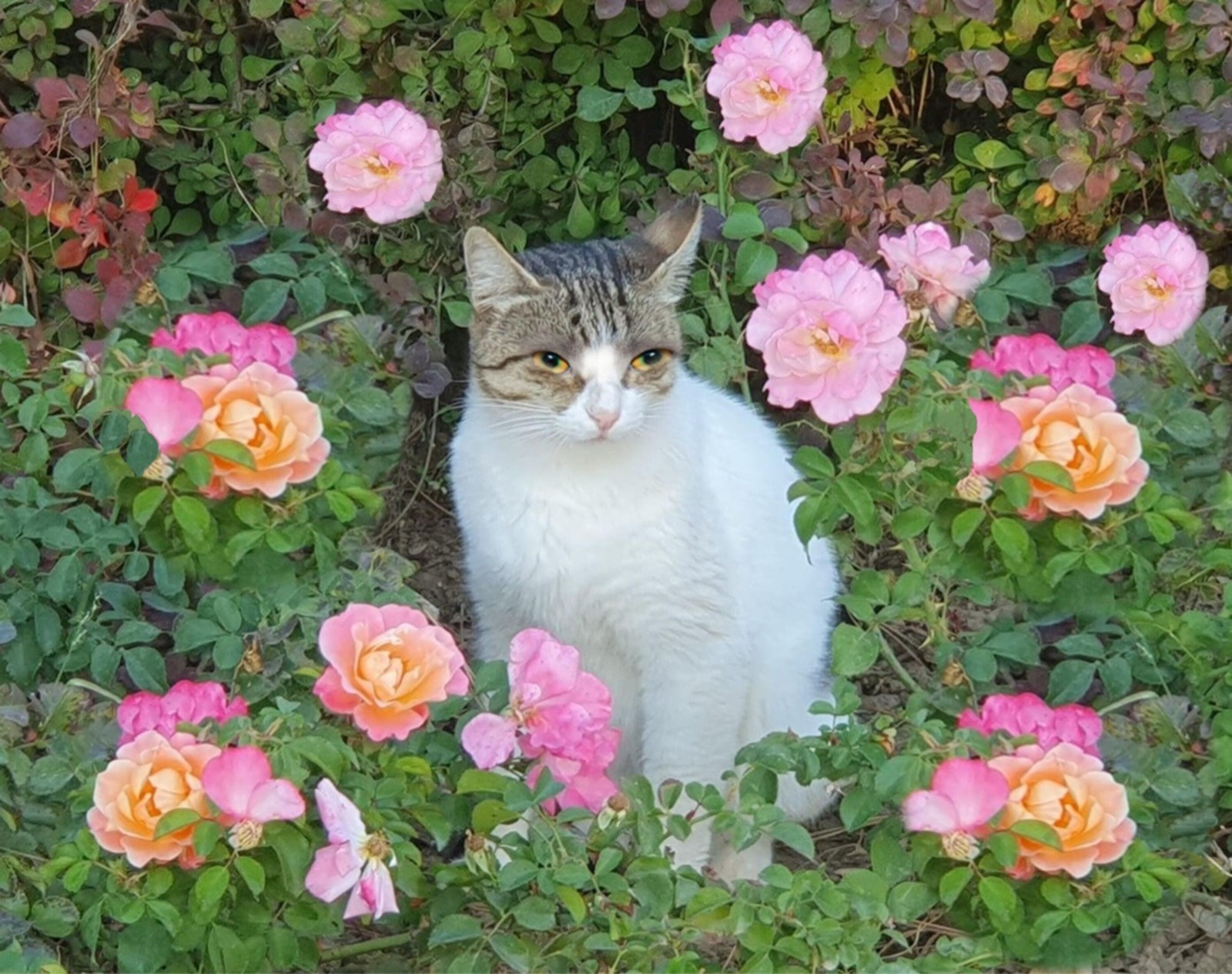
By a UK van life writer who’s lived full‑time on the road with a rescue dog and a cat.
Introduction: Hitting the Road with Furry Companions
Living on the road in a van is a rewarding adventure, but when you share that journey with a pet the experience takes on a whole new dimension. The UK offers stunning landscapes, welcoming locals and plenty of pet‑friendly spots, but it also comes with unique challenges—from legal requirements to health considerations and finding places that accept animals.
This guide walks you through every stage of van life with a pet, from the paperwork before you set off to practical on‑the‑road tips, ensuring you and your companion travel safely, legally and enjoyably.
1. Legal & Administrative Essentials Before You Go
1.1 Microchipping and Identification
- Requirement: All dogs in the UKmust be microchipped by the time they are eight weeks old (Control of Dogs Regulations 1991).
- Cats: Not a legal requirement, but highly recommended for identification.
- What to do: Register the microchip with the national database (e.g., Petlog, AnimalCare). Keep a digital copy of the microchip number on your phone.
1.2 Pet Passports and Travel Documents
- If travelling between England, Scotland, Wales and Northern Ireland: A UK Pet Passport is not required, but you must have proof of vaccination and worming where applicable.
- If planning to travel to the EU later: A pet passport is needed, including rabies vaccination and tapeworm treatment.
1.3 Insurance
- Pet insurance: Choose a policy that covers accidents, illnesses, third‑party liability and emergency veterinary treatment.
- Van insurance: Ensure your van insurance policy lists your pets as passengers; standard policies often exclude them.
1.3.1 Checklist Before Departure
- Microchip installed and registered
- Pet passport (or vaccination record) up‑to‑date
- Insurance certificates (van, liability, pet insurance)
- Copies of health records in a waterproof folder
2. Health Checklist for Life on the Road
2.1 Vaccinations & Preventive Care
- Core vaccines: Canine Distemper, Parvovirus, Hepatitis, Rabies (for dogs); Feline Panleukopenia, Calicivirus, Herpesvirus (for cats).
- Parasite prevention: Regular flea, tick and worm treatment—especially important when you’ll be moving through forests and grasslands.
2.2 Nutrition on the Road
- Travel‑friendly food: Choose high‑quality dry food that stores well; add a small fridge or insulated cooler for raw or fresh food.
- Supplements: Vitamin B complex for dogs, taurine for cats, and joint support (glucosamine) for older pets.
- Hydration: Carry a collapsible water bowl; refill from clean sources or use a portable water filter (e.g., Sawyer Squeeze).
2.3 First‑Aid Kit
- Bandages, tweezers, scissors: Basic wound care.
- Antiseptic wipes: Clean cuts before dressing.
- Medication: Any prescribed tablets, antihistamines, anti‑diarrheal (e.g., Loperamide), and a small kit for burns.
- Emergency kit: Ice packs, sterile gauze, and a pet‑specific emergency contact number.
2.4 Vet Visits on the Road
- Locate mobile vets: Many rural areas have mobile veterinary services; keep a list from the Royal College of Veterinary Surgeons (RCVS) register.
- Emergency clinics: Keep the nearest 24‑hour animal hospital listed (e.g., Vets Now, People’s Dispensary).
- Tele‑vet options: Apps like VetNOW or Bond Vet let you chat with a vet remotely—great for quick advice.
3. Finding Pet‑Friendly Spots Across the UK
3.1 Campsites and Caravan Parks
- Pet‑friendly rating: Look for sites that explicitly state “pets welcome”.
- Facilities: Some parks provide dedicated pet‑washing stations and waste bins.
- Examples:
- Camping in the New Forest – numerous designated pet pitches.
- Lake District Caravan Club Site – welcomes dogs, offers electric hookups.
3.2 Wild Camping with Pets
- Scotland: Allowed on most unenclosed land, but keep pets leashed near livestock.
- England & Wales: No general right, but many farms accept pets with a small donation.
- Never: Leave pets unattended in public spaces for long periods.
3.3 Dog‑Friendly Cafés and Pubs
- Many establishments display a “Dog‑Friendly” sign. When in doubt, ask staff.
- Popular chains: The Dog & Partridge, The Pooch Café (London), Bark & Brew (Manchester).
- Tip: Bring a portable water bowl and a blanket for your pet.
3.4 Pet‑Friendly Activities
- Walking trails: The South West Coast Path, Hadrian’s Wall Path and Cambrian Way are dog‑friendly.
- Beaches: Most UK beaches are dog‑friendly; check for seasonal restrictions (e.g., some ban dogs between May‑June).
- Wildlife reserves: Keep pets leashed near nesting sites; avoid disturbing birds and seals.
4. Managing Waste and Hygiene on the Road
4.1 Faeces and Urine
- Pick‑up: Carry biodegradable bags or a portable poop‑scoop. Dispose of waste in designated bins or flush in a public toilet.
- Urine: Dilute with water and spread away from water sources.
4.2 Litter Boxes for Cats
- Portable litter: Use biodegradable litter made from pressed wood or paper.
- Ventilation: Place the litter box near a vent or window to reduce odors.
- Cleaning: Spot‑clean daily; keep a small trash bag for waste.
4.3 Washing Facilities
- Pet‑specific showers: Some campsites provide showers with a hose attachment for pets.
- DIY solution: Use an outdoor shower or a water‑ingress basin; rinse thoroughly to avoid skin irritation.
5. Breaking Down Barriers: Socialising and Community Building
4.1 Van Life Pet Communities
- Facebook Groups: Van Life UK – Pets, Dog‑Life UK, Cat‑Friendly Van Lifers.
- Meet‑ups: Attend scheduled gatherings at popular camping sites (e.g., Camping in the Forest).
- Benefits: Swap tips, share vet recommendations, and discover new pet‑friendly spots.
4.2 Training Tips for Traveling Pets
- Recall command: Essential for off‑leash walks on open fields.
- Leash manners: Practice walking on busy streets to reduce pulling.
- Desensitisation: Get your pet comfortable with the sounds and movements of a vehicle before hitting the road.
4.3 Building Routine
- Daily schedule: Feed, walk, and hydrate at consistent times to maintain your pet’s comfort.
- Exercise: Even short 15‑minute walks provide mental stimulation and reduce anxiety.
6. Safety Checklist for Every Trip
| Item | Why Needed | Where to Keep |
|---|---|---|
| Veterinary records | Quick reference for emergencies | Waterproof folder in glove compartment |
| Emergency contact list (vets, poison control) | Fast access in case of injury | Clip to the van’s interior door |
| Pet‑specific first‑aid kit | Immediate treatment for cuts, burns | Under the passenger seat |
| Collapsible carrier (for cats or small dogs) | Legal requirement on public transport | Stowed in the boot |
| Pet‑specific snacks & water | Keep pets hydrated and fed during long drives | Shelf in the rear storage |
7. Frequently Asked Questions
Q: Do I need a special licence to ride a bike with a dog?
A: No, but you must keep your dog on a leash in public places and ensure it does not distract you while riding.
Q: Can I leave my pet in the van overnight?
A: Only if the temperature is mild (≈15 °C) and the vehicle has adequate ventilation. Never leave pets in direct sunlight or freezing conditions.
Q: Are there any UK parks where dogs are not allowed?
A: Some beaches and nature reserves (e.g., parts of Dartmoor and Snowdonia) have seasonal dog bans; always check signage.
Q: How do I handle a lost pet?
A: Use a microchip scanner (many vets carry them), post on local lost‑pet Facebook groups, and put up “Missing” notices with a photo and contact details.
Conclusion: The Road Is Better With a Companion
Traveling the UK in a van with a pet transforms the experience from solitary exploration to shared adventure. With proper preparation—legal paperwork, health care, waste management, and a network of pet‑friendly resources—you and your furry travel mate can safely enjoy everything from misty Welsh valleys to the golden sands of the English coast.
Embrace the journey, keep the rules in mind, and let every mile bring new moments of companionship, wonder and discovery.
Happy van life, and give your pet an extra pat for us.
![A van parked on a scenic hillside with a dog peeking out of the window]
Image placeholders are intended for future visual content. Replace with original photographs that reflect the described settings.
Related reading: "A Journey Through the Scottish Highlands in Autumn: A Van Life Adventure" • "Autumn Van Life in the UK: A Seasonal Survival Guide" • "Beginner's Checklist: 10 Must-Have Van Life Essentials for Newbies"