Vitamin D deficiency is rampant in the UK, especially in winter. Van lifers might think they're getting more sun by spending all day outdoors — but many are stuck cooking, working, and driving inside their van, getting even less sunlight than office workers.
This guide covers how van lifers in the UK can maintain healthy Vitamin D levels year-round.
Why Vitamin D Matters
- Bone health — Vitamin D enables calcium absorption
- Immune function — Critical for fighting infections
- Mental health — Linked to depression and seasonal affective disorder (SAD)
- Muscle function — Deficiency causes weakness and fatigue
Getting Vitamin D Naturally
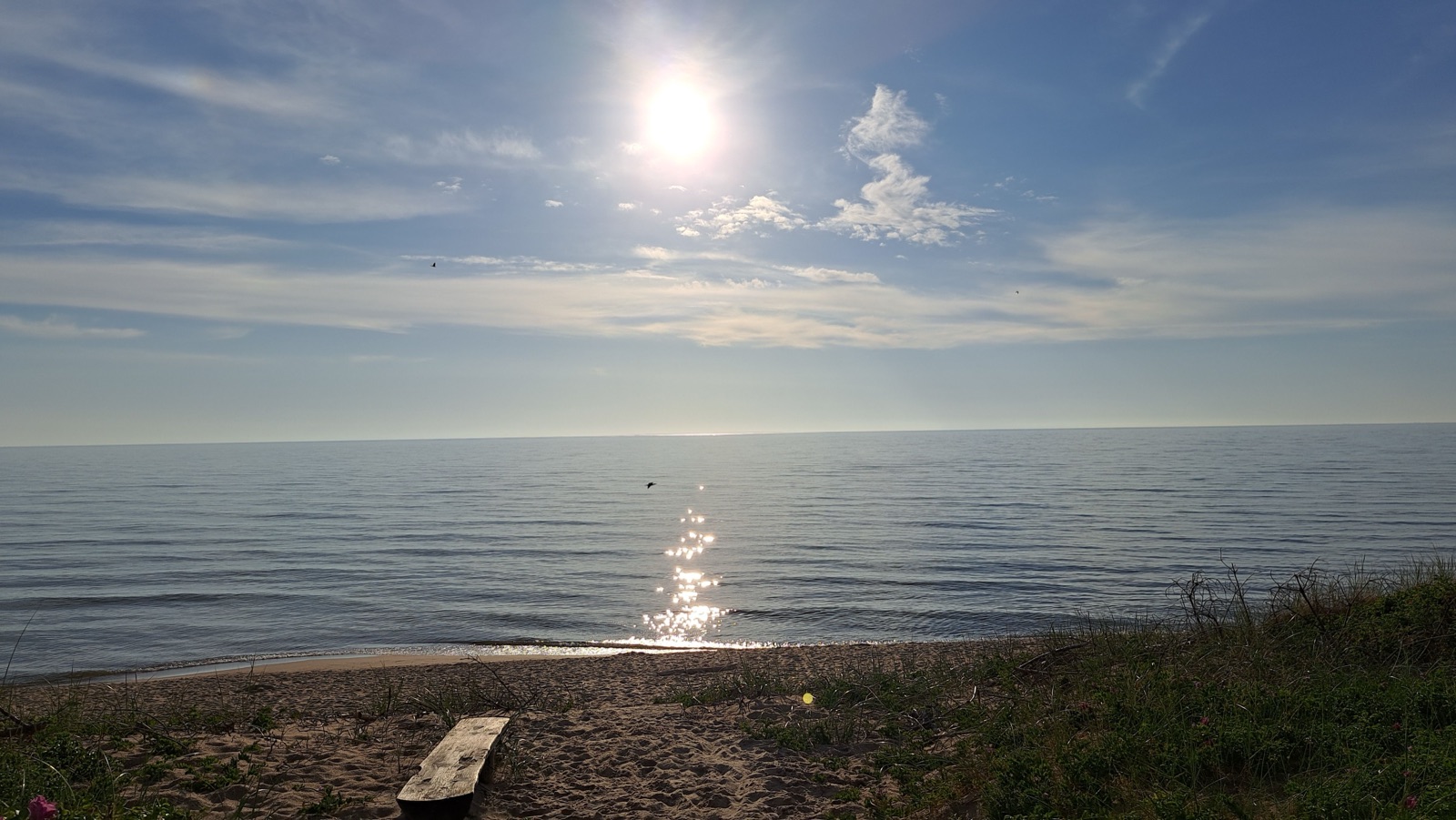
The UK's Met Office recommends 10–15 minutes of daily sun exposure on arms and face. For van lifers:
- Breakfast outside — Eat outdoors in the morning sun
- Lunch breaks — Take lunch outside instead of in the van
- Summer advantage — May–September has plenty of UV for Vitamin D synthesis
Vitamin D Supplementation
For UK van lifers (and most Brits), supplementation is recommended in autumn and winter.
Best Vitamin D Supplements
- Vitamin D3 10mcg (400 IU) — NHS recommended daily dose, £3–£5 for 365 tablets
- Vitamin D3 25mcg (1000 IU) — Higher dose for those with deficiency, £5–£8
- Vitamin D + K2 combo — Better absorption, £8–£12
When to Supplement
- October–April — Daily supplementation recommended
- May–September — If you get 15+ minutes daily sun, may not need supplements
- Winter camping — Absolutely essential
Symptoms of Vitamin D Deficiency
- Fatigue and low energy
- Depression and low mood
- Bone pain
- Frequent infections
- Muscle weakness
Final Verdict
For UK van lifers, Vitamin D3 supplementation from October to April is non-negotiable. The cost is minimal (£3–£5 per year), and the health benefits are enormous. Combine supplements with daily outdoor meals for optimal levels.
Related Guides:
Pro Tips from Real Van Lifers
- Always keep a spare key fob for your van's doors and locks
- Invest in a good quality multi-tool — it's the most used item in any van
- Label everything with masking tape during build, then permanent markers later
- Keep a small first aid kit accessible, not buried in storage
- Have a backup power source (portable battery) for phone navigation
- Keep wet wipes and a small towel in the glove box for quick cleanups
- Use door wedge chocks on uneven ground for extra stability
- Keep a small dictionary of local Welsh/Cornish words if traveling to those regions
Seasonal Considerations for UK Van Life
Spring (March-May): Great time for wild camping as days get longer. Still possible to get rain — keep waterproofing gear handy.
Summer (June-August): Peak season — campsites fill fast. Can get very warm in vans — invest in roof vents and fans. Late sunset (10pm) means more light for exploring.
Autumn (September-November): Fewer crowds, great for solitary camping. Leaves fall making single-track roads slippery.
Winter (December-February): Shortest days (sun sets by 4pm in December). Condensation management is critical — vent windows slightly. Keep de-icer in the glove box.
Pro Tips from Real Van Lifers
- Always keep a spare key fob for your van's doors and locks
- Invest in a good quality multi-tool — it's the most used item in any van
- Label everything with masking tape during build, then permanent markers later
- Keep a small first aid kit accessible, not buried in storage
- Have a backup power source (portable battery) for phone navigation
- Keep wet wipes and a small towel in the glove box for quick cleanups
- Use door wedge chocks on uneven ground for extra stability
- Keep a small dictionary of local Welsh/Cornish words if traveling to those regions
Seasonal Considerations for UK Van Life
Spring (March-May): Great time for wild camping as days get longer. Still possible to get rain — keep waterproofing gear handy.
Summer (June-August): Peak season — campsites fill fast. Can get very warm in vans — invest in roof vents and fans. Late sunset (10pm) means more light for exploring.
Autumn (September-November): Fewer crowds, great for solitary camping. Leaves fall making single-track roads slippery.
Winter (December-February): Shortest days (sun sets by 4pm in December). Condensation management is critical — vent windows slightly. Keep de-icer in the glove box.