Scotland — The Gold Standard for Wild Camping
Scotland is the only part of the UK where wild camping is legally protected as a right. The Land Reform (Scotland) Act 2003 established the right of responsible access to most land, including the right to camp. This is codified in the Scottish Outdoor Access Code.
You can camp on most unenclosed land: mountains, moorlands, forests, and beaches. The key requirement is that you act responsibly:
- Camp away from buildings, roads, and private gardens
- Avoid fields with crops or livestock
- Keep groups small
- Stay no more than 2-3 nights in one spot
- Leave no trace — pack out all waste
- Do not light open fires; use a stove
Some areas have seasonal restrictions. Loch Lomond and the Trossachs National Park, for example, requires a camping permit in certain zones during peak months (March to September). The permit costs £3-6 per night and can be booked online.
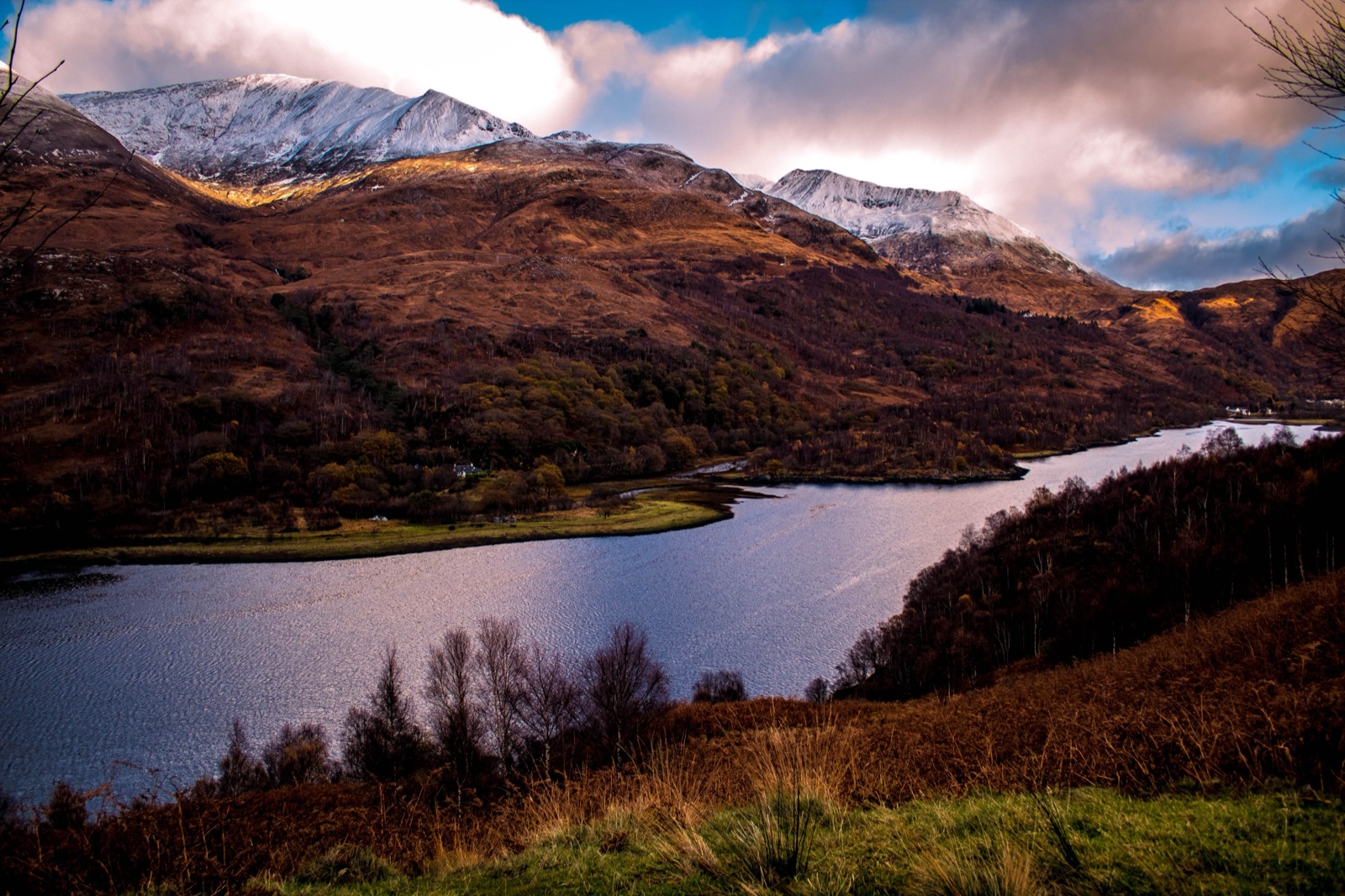
Popular wild camping spots in Scotland include Glen Coe, the Cairngorms, the Isle of Skye, and the North Coast 500 route. These areas are well-known for campervan-friendly stops, but always check local signage.
England — Mostly Illegal With One Major Exception
Wild camping in England is generally illegal without the landowner's permission. The legal basis is trespass under civil law, not criminal law. This means a landowner can ask you to leave, but you cannot be arrested simply for camping. However, refusing to leave after being asked can escalate to criminal trespass.
Dartmoor — England's Exception
Dartmoor National Park is the only place in England where wild camping is legally permitted without landowner permission. The Dartmoor Commons Act 1985 allows camping on designated common land. However, there are specific rules:
- Camp at least 100 metres from roads and public paths
- Do not stay more than two nights in one spot
- Avoid enclosed farmland and archaeological sites
- No camping near water supplies or reservoirs
The Dartmoor National Park Authority provides maps showing where camping is permitted. Rangers patrol popular areas and enforce the rules.
National Parks (Outside Dartmoor)
The Lake District, Yorkshire Dales, Peak District, North York Moors, and Exmoor all ban wild camping outside designated campsites. The Lake District has specific byelaws that impose fines of up to £1,000 for illegal camping. Despite this, some experienced hikers practice "stealth camping" — pitching after dusk and leaving at dawn — in remote upland areas. This exists in a legal grey area and is not officially permitted.
Beaches and Coast
Most beaches in England are privately owned or managed by local councils. Camping on them without permission is illegal. However, a few councils tolerate overnight parking in campervans at designated coastal spots. Always check local signage.
Wales — Permission Required
Wales follows the same legal framework as England. Wild camping is trespass without the landowner's permission. Snowdonia National Park and the Brecon Beacons both prohibit wild camping outside official sites.
Some landowners in Wales operate "wild camping" fields where you can stay for a small fee (£5-10 per night). These are listed on sites like Park4Night and Campercontact. Always ask permission.
Northern Ireland — Strictest Rules
Northern Ireland has the most restrictive wild camping laws in the UK. Camping without landowner permission is illegal, and police can intervene. The Mourne Mountains, for example, requires permission from the local council. There are no widespread exceptions like Dartmoor or Scotland.
The Northern Ireland Forestry Service issues camping permits at some of its sites. These are limited and must be booked in advance. For most van lifers, sticking to official campsites is the only practical option.
What About the 2026 Law Changes?
There has been discussion about reforming wild camping laws in England. The 2026 proposals focus on creating designated camping zones within National Parks rather than a blanket right-to-roam. As of mid-2026, no legislation has passed. Dartmoor remains the only legal wild camping area in England. If you see claims about "2026 law changes" online, check the source — most are speculative.
Common Misconceptions
"Wild camping is legal everywhere in Scotland"
Not quite. You must follow the Scottish Outdoor Access Code. Camping near private gardens, in enclosed fields, or on popular beaches during summer may not be allowed. Some areas require permits.
"You can camp on any beach"
Beaches are often privately owned in England and Wales. Even in Scotland, some beaches have restrictions. Always check.
"It's a criminal offence to wild camp in England"
It's civil trespass, not criminal. The exception is if you refuse to leave when asked, or if you camp in an area with specific byelaws (like the Lake District).
Practical Advice for Van Lifers
Overnight Parking vs Wild Camping
There's a legal distinction between parking your van overnight and pitching a tent. Sleeping in your vehicle on a public road is generally not illegal (unless there's a specific restriction like a "No Overnight Parking" sign), but it's often discouraged by local authorities. Many campervans use pub car parks, motorway services, or designated "aire" spots. Apps like Park4Night and SearchforSites list these locations.
Leave No Trace Principles
Whether you're wild camping legally or stealth camping, always follow these rules:
- Take all rubbish home
- Use a toilet facility or dig a cat hole 30 metres from water
- Do not light open fires in the countryside (use a gas stove)
- Keep noise to a minimum
- Move on if asked
What to Do If You're Moved On
If a landowner or police ask you to leave, do so calmly and politely. Arguing or refusing escalates the situation. Most interactions are straightforward if you're respectful. Have a backup plan with local campsites in your area.
Summary
| Region | Legal Status | Key Rule |
|---|---|---|
| Scotland | Legal with responsible access | Follow Outdoor Access Code; permits needed in Loch Lomond summer zones |
| Dartmoor, England | Legal on designated common land | 100m from roads/paths, max 2 nights |
| Rest of England | Illegal without permission | Civil trespass; Lake District fines up to £1,000 |
| Wales | Illegal without permission | Same as England; some landowners allow paid camping |
| Northern Ireland | Illegal without permission | Strictest enforcement; permits available from Forestry Service |
The landscape of UK wild camping laws is changing slowly. Scotland's model shows that responsible access and conservation can coexist. Until other nations follow suit, know the local rules, camp responsibly, and always have a backup campsite in mind.