By a UK van life writer who has braved countless UK winters on the road.
Introduction – Embracing the Cold
Winter in the UK can be harsh, with freezing temperatures, snow, and ice. For van lifers, it presents unique challenges, but also opportunities for cosy nights, stunning landscapes, and a sense of accomplishment. In this guide, I’ll share practical advice for staying warm, safe, and comfortable during the winter months, ensuring you can enjoy the beauty of the season without compromising your well‑being.
Weather Preparation
Understanding Winter Weather
- Temperature: Average lows range from -5°C to 5°C (23°F to 41°F), with occasional drops below freezing.
- Precipitation: Rain, sleet, and snow are common, especially in higher altitudes.
- Wind: Strong winds can make it feel even colder, so windproofing is essential.
Essential Gear
- Insulated clothing: Invest in a good quality waterproof jacket, thermal layers, and insulated boots.
- Winter tyres: Consider switching to winter tyres for better traction on icy roads.
- Snow chains: Carry a set of snow chains for extreme conditions.
- Heater: A reliable heating system is crucial. Options include diesel water heaters, propane heaters, and electric heaters.
Van Preparation
- Insulation: Ensure your van is well‑insulated to retain heat. Use foam board, reflective foil, and thermal curtains.
- Heating system: Test your heating system before the cold sets in. Make sure it’s working efficiently.
- Ventilation: Proper ventilation is essential to prevent condensation and mould.
Heating and Insulation
Heating Options
- Diesel water heater: Efficient and reliable, but expensive to install.
- Propane heater: Portable and affordable, but must be used with ventilation.
- Electric heater: Use when connected to shore power.
- Wood stove: Romantic but requires maintenance and can be illegal in some areas.
Insulation Tips
- Floor insulation: Add 50mm of high‑density foam board.
- Wall insulation: Use 25mm closed‑cell foam.
- Ceiling insulation: 30mm foam, especially around the roof vent.
- Window insulation: Use thermal curtains or bubble wrap.
Activities and Exploration
Winter Hiking
- Snowdonia: The highest peak in Wales, offering stunning views.
- Cairngorms: A mountain range in the Scottish Highlands, perfect for winter hiking.
- Peak District: Rolling hills and dramatic valleys, ideal for a winter walk.
Winter Sports
- Skiing: The Scottish Highlands offer several ski resorts.
- Snowboarding: The same resorts cater to snowboarders.
- Ice climbing: For the more adventurous, ice climbing is available in the Cairngorms.
Cozy Indoor Activities
- Reading: Curl up with a good book and a hot drink.
- Board games: Play games with family or friends.
- Cooking: Prepare hearty meals like stews and soups.
Safety Considerations
Driving
- Winter tyres: Consider switching to winter tyres for better traction on icy roads.
- Snow chains: Carry a set of snow chains for extreme conditions.
- Visibility: Ensure all lights are clean and functional.
Weather
- Storms: Winter can bring strong winds and heavy snow. Secure your van and avoid parking under trees.
- Frost: Clear frost from windows before driving. Use a de‑icer or a scraper.
Health
- Hypothermia: Know the signs and how to treat it. Stay dry and warm.
- Frostbite: Protect extremities with gloves, hats, and warm socks.
Campsite and Parking Tips
Campsites
- Book in advance: Winter is a popular time for camping, so book early.
- Look for electric hook‑ups: Useful for heating and charging devices.
- Check for facilities: Some campsites close in winter, so verify availability.
Wild Camping
- Scotland: You have a statutory right to camp on unenclosed land, but be respectful.
- England & Wales: No general right, but you can camp responsibly on open countryside where it's obvious the land is unowned. Always follow the Countryside Code.
- Northern Ireland: Stricter rules apply—seek permission when possible.
Budgeting for Winter
Fuel
- Plan efficient routes: Use apps like Google Maps to avoid traffic and reduce fuel consumption.
- Combine trips: Group errands to minimise driving.
Food
- Seasonal produce: Buy local, seasonal fruits and vegetables—they’re cheaper and tastier.
- Preserve food: Make jams, chutneys, and pickles to enjoy summer flavours all year round.
Activities
- Free events: Look for local festivals, markets, and guided walks.
- National Trust: Membership gives you access to hundreds of properties and discounts on events.
Conclusion: Winter is a Season of Beauty and Challenge
Winter van life in the UK is a unique experience. The cold weather, snow, and ice present challenges, but also opportunities for cosy nights, stunning landscapes, and a sense of accomplishment. By following the tips in this guide, you can stay safe, comfortable, and inspired while enjoying all that winter has to offer.
So pack your bags, hit the road, and embrace the beauty of the season. Winter is waiting.
Happy travels, and may your winter adventures be filled with wonder.
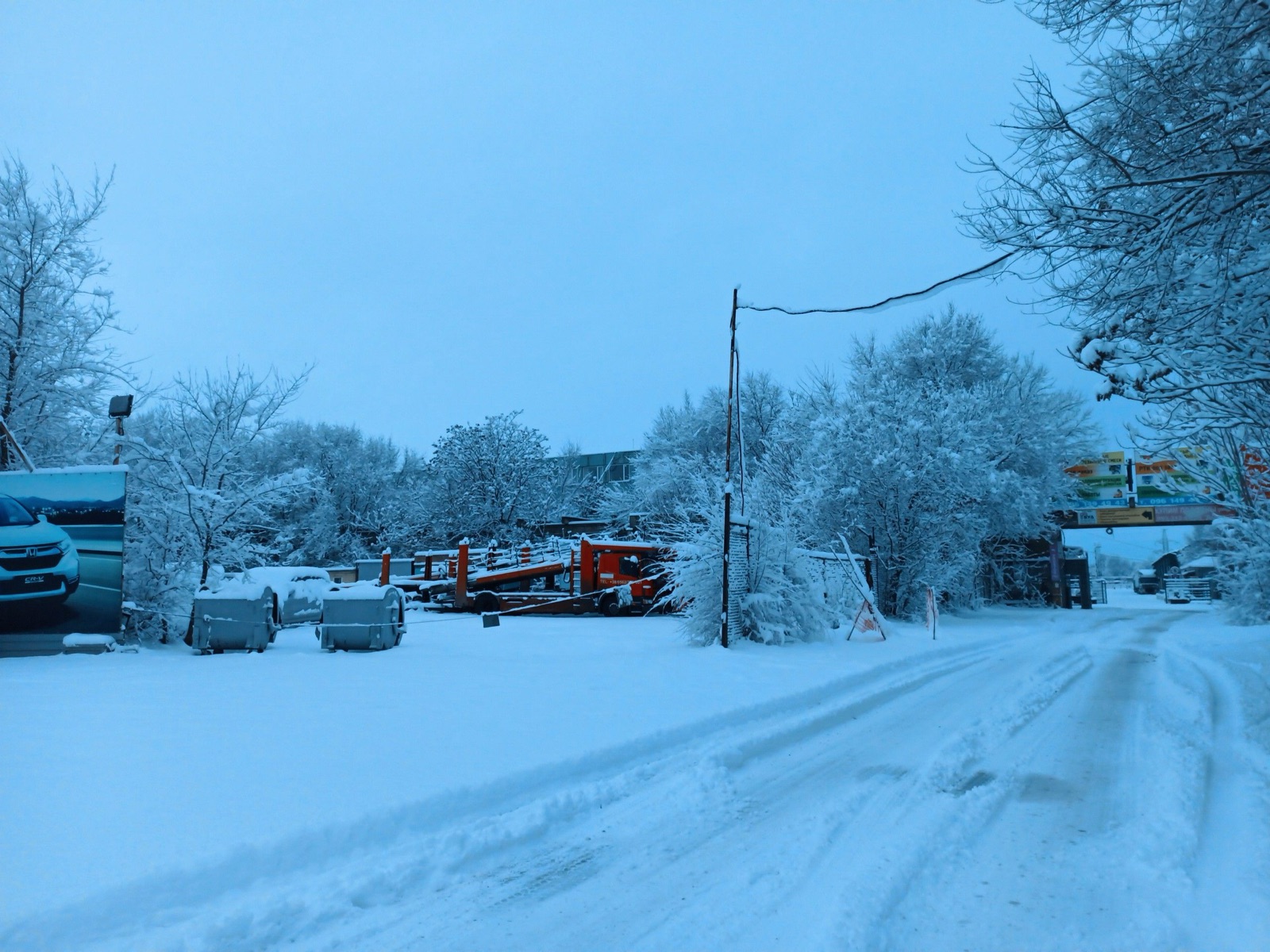
![A van parked in a snowy landscape with mountains in the background]
Image placeholders are intended for future visual content. Replace with original photographs that reflect the described settings.
Related reading: "A Journey Through the Scottish Highlands in Autumn: A Van Life Adventure" • "Autumn Van Life in the UK: A Seasonal Survival Guide" • "Beginner's Checklist: 10 Must-Have Van Life Essentials for Newbies"