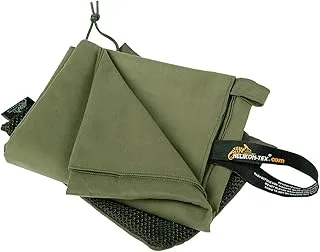
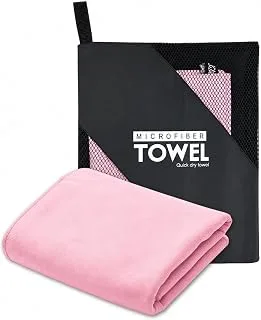
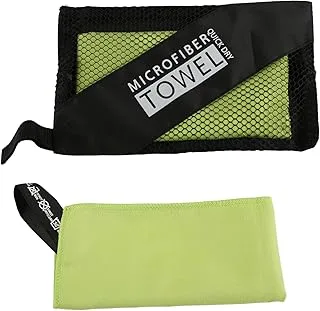
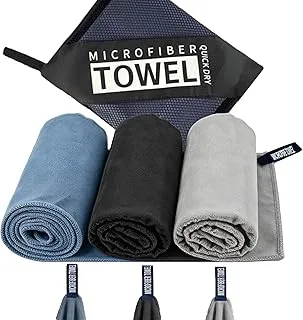
A cotton towel in a campervan is a disaster. It takes hours to dry, it smells damp, and it takes up as much space as a sleeping bag. Microfibre towels solve all three problems. Here is the full review of the best options for UK van life.
Verdict
Rainleaf for the budget buyer (£12), Sea to Summit DryLite for the best performance (£22), Outwell if you want large size (£18). Carry a small face cloth for daily hand drying. Wash your towels every 2-3 weeks and never use fabric softener. A microfibre towel is one of the best £12 you will spend on van life.
Why Cotton Does Not Work in a Van
Cotton absorbs up to 27 times its weight in water. In a van with limited ventilation, a damp cotton towel is the perfect breeding ground for bacteria and mildew. Within three days, it smells musty. Within a week in winter, it never fully dries. Microfibre towels are made from a blend of polyester and polyamide (typically 80/20). The fibres are split to create microscopic hooks that pull water from your skin and into the fabric. They absorb about 7 times their weight — less than cotton — but they dry in 1-2 hours instead of 12-24.
The Contenders
| Towel | Material | Size (L) | Pack Size | Dry Time | Price |
|---|---|---|---|---|---|
| Rainleaf Microfibre Towel | 80% polyester / 20% polyamide | 60x120cm | Fist-sized | 1 hour | £12 |
| Sea to Summit DryLite | 85% polyester / 15% nylon | 64x120cm | Tennis ball | 1.5 hours | £22 |
| Lifeventure Microfibre Towel | 80% polyester / 20% polyamide | 70x140cm | Fist-sized | 1.5 hours | £15 |
| Outwell Microfibre Towel | 100% polyester | 75x150cm | Paperback | 2 hours | £18 |
| PackTowl Personal | 85% polyester / 15% nylon | 61x122cm | Tennis ball | 1 hour | £17 |
| Thetford Microfibre Towel | 80% polyester / 20% polyamide | 60x120cm | Fist-sized | 1.5 hours | £10 |
Best Overall: Sea to Summit DryLite
The DryLite is the best balance of absorbency, pack size, and feel. It absorbs noticeably more water than the Rainleaf or Lifeventure options — you do not need to rub yourself dry twice. The fabric is soft enough to use on your face without feeling like sandpaper. At £22 it is expensive for a towel, but it weighs 85g and packs to the size of a tennis ball. The only downside: the fabric pills slightly after 6-12 months of daily use. It still works, just looks a bit tired.
Best Budget: Rainleaf Microfibre Towel
The Rainleaf is the most popular microfibre towel on Amazon UK (4.6 stars, 30,000+ reviews). It costs £12 and performs almost as well as the Sea to Summit. The material is slightly stiffer — it has that "microfibre grab" feel on dry skin — but once wet it softens. The drying time is excellent: spread it out in the van and it is dry in an hour. The 60x120cm size (£12) is enough for a full body dry. The 80x150cm size (£16) is better if you want to wrap it around yourself.
Best Large: Outwell Microfibre Towel
If you want a towel that feels closer to a bath towel, the Outwell is the one. At 75x150cm, it wraps around you fully. The 100% polyester material is softer than the Sea to Summit but takes longer to dry (2 hours vs 1.5 hours). The pack size is bigger — about the size of a paperback book — but still manageable. At £18, it is a good middle ground between microfibre performance and cotton comfort.
How to Care for Microfibre Towels
- Wash before first use: New microfibre towels have a manufacturing residue that reduces absorbency. Wash once at 30°C with no fabric softener.
- No fabric softener ever: Fabric softener coats the microfibres and destroys their absorbency. One wash with softener cuts absorbency by 50%.
- No tumble drying: The heat melts the polyester fibres. Air dry only.
- Wash every 2-3 weeks: Microfibre traps body oils and bacteria. Wash in warm water (30-40°C) with a mild detergent.
- Line dry in the shade: UV light degrades the fibres over time.
The "Two Towel" Strategy
Most van lifers carry two microfibre towels: a small one (60x120cm) for drying off and a smaller face cloth (30x30cm) for hand drying. The face cloth gets used 10 times a day and dries in 30 minutes. The bath towel gets used once a day and dries in the afternoon sun.
Microfibre vs Linen vs Cotton
| Towel Type | Dry Time | Pack Size | Feel | Cost | Van Suitability |
|---|---|---|---|---|---|
| Microfibre | 1-2 hours | Fist-sized | Stiff (improves when wet) | £10-22 | Excellent |
| Linen | 2-3 hours | Small book | Soft, natural | £20-40 | Good |
| Cotton (bath) | 6-12 hours | Bulky | Soft, luxurious | £5-15 | Poor |
| Cotton (thin) | 3-4 hours | Medium | Medium | £8-12 | Acceptable |