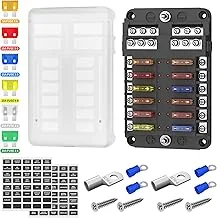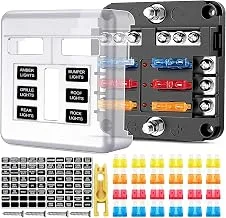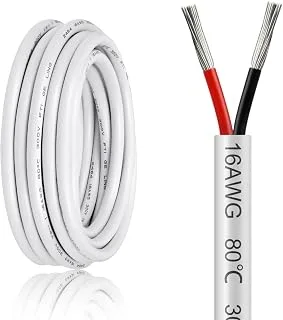
A busbar provides a common connection point. A fuse interrupts an electrical circuit under specified fault conditions. A distribution product may combine these functions, but a bare bar with several studs is not automatically a fuse box. Decide what your electrical design requires before comparing component prices.
This is a planning guide, not a wiring diagram or a fuse-sizing instruction. Battery systems can produce dangerous fault currents. Have the complete design, installation and protection assessed by someone competent in the relevant vehicle electrical systems.
Distribution and protection are different
Victron's DC wiring guide explains busbars, individual circuit protection and the importance of fuse ratings. In particular, a fuse's current rating is not its interrupt rating: the latter describes the fault current it can safely break. That distinction matters when specifying protection for a battery bank, including lithium systems.
A component's advertised maximum current does not set the correct fuse size for every connected cable. The battery, conductors, equipment, installation conditions and protective devices must work together. An online parts basket cannot establish that coordination.
Two examples with different purposes
| Example | Manufacturer-described role | Question for your design |
|---|---|---|
| Blue Sea Systems 5026 ST Blade block | Twelve branch circuits with a negative bus and cover | Are the individual loads and complete feed within the product's limits? |
| Victron Lynx Distributor M10 | Positive and negative distribution with four fused positive connections | Does it fit the planned distribution, protection and monitoring arrangement? |
The Blue Sea 5026 specification lists 100A maximum per block and 30A per circuit. Twelve positions do not mean twelve circuits can all draw 30A simultaneously. It accepts specified blade-fuse types; the fuses are separate purchases.
The current Lynx Distributor manual describes four fuse-protected positive connections and distinguishes M10 module joints from M8 fuse/cable connections. It also identifies separate MEGA fuses and specific monitoring arrangements. Read the manual for the exact model; do not assume every older Lynx variant has the same connections or interfaces.
Prepare a useful design brief
List the equipment you want to power, its specified supply requirements and where it will be installed. Record the battery and charging equipment already fitted, along with the documentation you have. Include future loads as proposed additions rather than quietly assuming spare terminals provide spare electrical capacity.
Ask the designer to identify the purpose of each protective device, the isolation arrangements, compatible terminals and enclosures, and access needed for inspection. A labelled circuit schedule and installation records will also help later servicing.
Compare the complete installation cost
Sources checked on 25 October 2026. The examples illustrate different functions; this site has not load-tested them or approved an electrical installation.