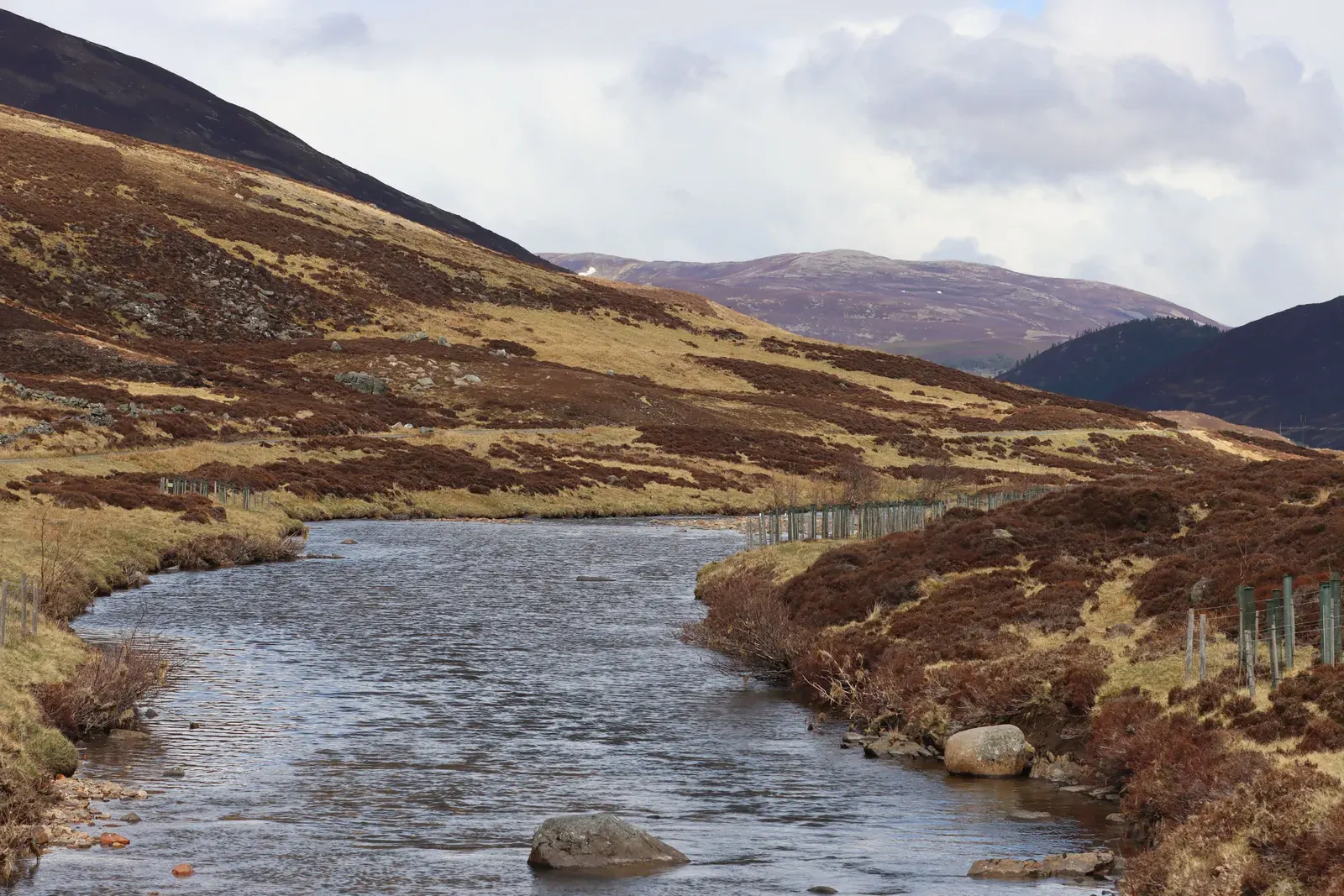
The Scottish midge (Culicoides impunctatus) is the most vicious insect in the UK. Billions emerge from May to September in the Highlands and Islands.
When and Where Midges Strike
- Active at dawn and dusk (twilight hours)
- On warm, still, humid days (overcast, 15-20°C)
- Near water (lochs, bogs, rivers)
- Below 500m altitude
- Not in wind (a 10mph breeze clears them)
- Not in direct sunlight
Smidge Review
Smidge is the most popular midge repellent in Scotland. It works by blocking the insect's scent receptors rather than masking your smell.
- Active ingredient: Saltidin (Icaridin), 20%
- Lasts: 4-6 hours
- Smell: Mild, pleasant, not strong
- Grease: Minimal (unlike DEET)
- Value: £7 for 75ml spray Rating: 8/10. Effective but no repellent is 100% against midges. Reapply every 4 hours.
Best Midge Defence Strategy
- Clothing: Midge hood/hat (£10), long sleeves, trousers. Midges cannot bite through thin fabric but will find any gap.
- Head net: Essential. Fits over a hat. £5. Do not go to Scotland without one.
- Repellent: Smidge or Skin So Soft (Avon, £5). Apply to ALL exposed skin.
- Campfire: Smoke deters midges. Light a fire in the fire pit.
- Van: Keep windows closed at dawn and dusk. Use fly screens on roof vents.
Midge-Free Areas
Exposed coasts, windy islands (Orkney, Shetland, Outer Hebrides beaches), and high mountain tops are midge-free in any breeze.